
Thunder Soul (2010)
Story overview
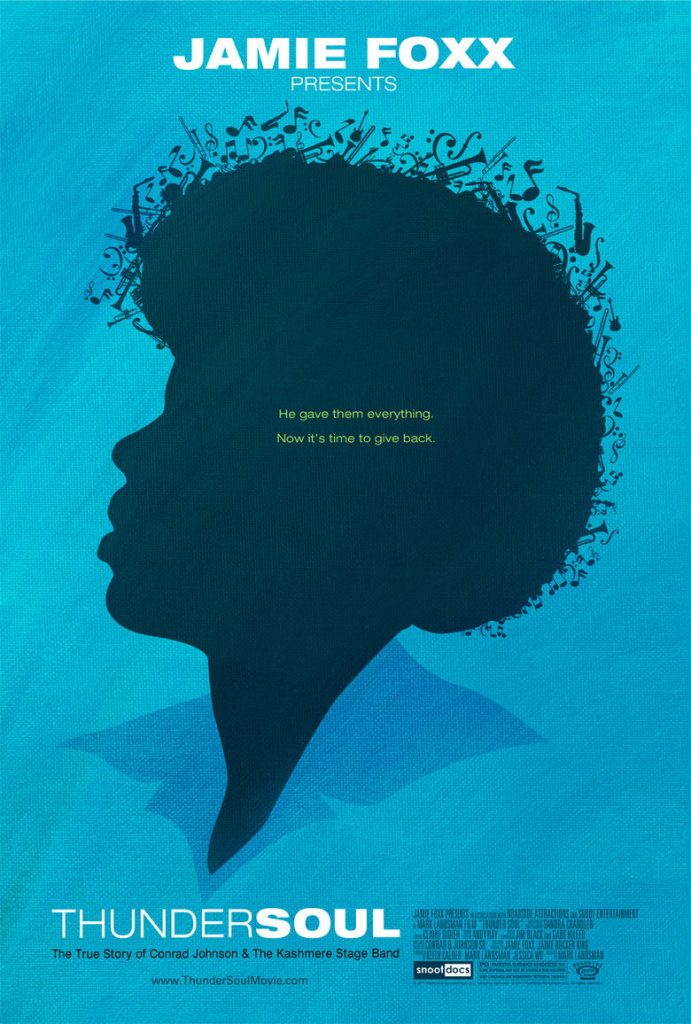
Thunder Soul is an uplifting 2010 documentary that tells the true story of Conrad O. Johnson Sr., a dedicated high school band director in Houston, Texas. The film follows how he transformed his underfunded, predominantly African-American student jazz band into an internationally acclaimed funk powerhouse during the 1970s. Through archival footage, interviews with former students (now adults), and present-day reunion performances, the documentary celebrates Johnson's mentorship, the transformative power of music education, and the lasting impact he had on his students' lives. Narrated by Jamie Foxx, it's a story of discipline, community, and triumph against the odds.
Parent Guide
A wholesome, inspiring documentary suitable for all ages. It contains no objectionable material and promotes exclusively positive messages about education, music, and community.
Content breakdown
No violence, peril, or dangerous situations are depicted.
Nothing scary or disturbing. The tone is consistently uplifting and celebratory.
No profanity or coarse language is used.
No sexual content, references, or nudity.
No depiction or discussion of alcohol, drugs, or tobacco use.
Emotional moments are positive and heartwarming, such as former students expressing gratitude or reuniting to play music. There might be mild emotional moments when discussing Mr. Johnson's legacy after his passing, but it is handled respectfully and focuses on celebration.
Parent tips
This documentary is highly suitable for family viewing. It focuses on positive themes like dedication, teamwork, respect for teachers, and the joy of music. There are no concerning content elements. The film might inspire conversations about history, music, and the importance of arts education. Younger children might find some of the interview segments with adults less engaging than the energetic musical performances.
Parent chat guide
Parent follow-up questions
- Did you like the music? What was your favorite instrument?
- What does it mean to practice something to get better?
- How did the students work together as a team?
- Why was Mr. Johnson such a special teacher?
- What challenges do you think the band faced?
- How did music help the students feel proud?
- What does this film show about the importance of arts education in schools?
- How did the band's success impact their community?
- What qualities make a good leader, like Mr. Johnson?
- Discuss the film's portrayal of the 1970s social and cultural context for these students.
- How does this story relate to current debates about funding for arts programs?
- What lessons about mentorship and legacy can be taken from this documentary?
🎭 Story Kernel
At its core, 'Thunder Soul' is about the transformative power of high expectations and radical belief. It's not just a nostalgic reunion story; it's an examination of how Conrad O. Johnson Sr., through sheer force of will and musical innovation, weaponized funk music against systemic limitations. The film reveals that the real composition wasn't just the music, but the students themselves—Johnson molded teenagers from an underfunded, predominantly Black Houston high school into disciplined artists who carried that identity and confidence for decades. The driving force is the collision between the rigid structure of band discipline and the liberating, rebellious spirit of funk, creating a unique ecosystem where excellence became the only acceptable standard.
🎬 Visual Aesthetics
The film's visual language masterfully contrasts archival grit with contemporary polish. The grainy, sun-bleached 1970s footage of the Kashmere Stage Band in their sharp uniforms feels both historic and vibrantly alive, emphasizing the raw energy of their performances. In contrast, the crisp, modern interviews with now-adult band members are often framed in intimate close-ups, highlighting the enduring emotional impact. The editing rhythm itself mimics funk music—quick cuts during performance sequences build kinetic energy, while slower, reflective pauses let the weight of memory settle. There's a powerful visual metaphor in the transition from youthful, synchronized stage movements to the older, reunited musicians rediscovering that physical memory decades later.
🔍 Details & Easter Eggs
💡 Behind the Scenes
The documentary was directed by Mark Landsman and its production was championed by Jamie Foxx, who served as an executive producer after being deeply moved by the story. The real Kashmere Stage Band's albums, which were rediscovered and reissued by the record label Now-Again Records, sparked a global funk revival and directly inspired the documentary. Notably, the band's 1972 album 'Thunder Soul' won the Grammy Hall of Fame Award in 2019. The reunion concert featured in the film was a real, high-stakes event organized for the documentary, with former members in their 50s and 60s rehearsing intensely for weeks to perform again for their 92-year-old mentor, Conrad O. Johnson Sr.
Where to watch
Choose region:
- Peacock Premium
- Peacock Premium Plus
- Fandango at Home Free
- Tubi TV
- Amazon Video
- Google Play Movies
- YouTube
- Fandango At Home
Trailer
Trailer playback is unavailable in your region.