Time to Hunt (2020)
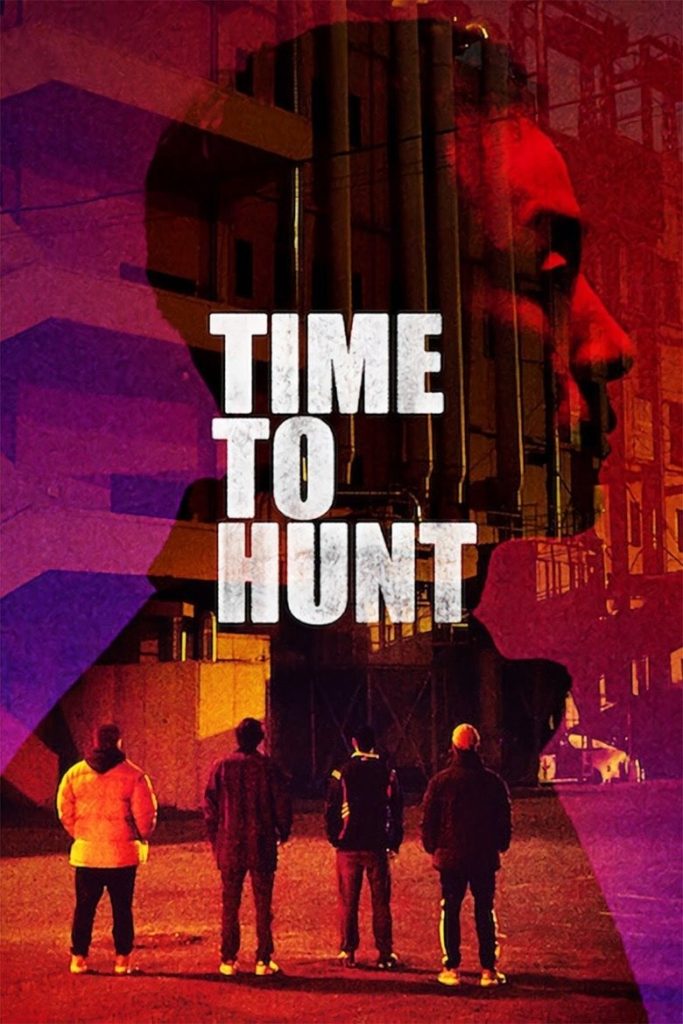
Story overview
Time to Hunt is a 2020 South Korean action thriller that follows a group of young friends struggling to survive in a dystopian economic crisis. They plan a high-stakes heist to escape their desperate circumstances, but find themselves pursued by a relentless and dangerous assassin. The film explores themes of friendship, desperation, and survival against overwhelming odds in a bleak near-future setting.
Parent Guide
A tense, violent thriller with mature themes suitable only for older teens and adults.
Content breakdown
Frequent intense violence including shootings, stabbings, fights, and chase sequences with high peril.
Sustained tension, pursuit by threatening antagonist, and bleak dystopian setting.
Strong language likely present given TV-MA rating and thriller genre.
Minimal sexual content typical of action thriller genre.
Likely includes smoking, drinking, or drug use in stressful situations.
High-stakes survival scenario with constant tension and desperate characters.
Parent tips
This film is rated TV-MA for mature audiences only due to intense violence, strong language, and thematic elements. The action sequences are graphic and frequent, featuring shootings, stabbings, and brutal confrontations that could be disturbing for younger viewers. Parents should be aware that the film portrays a grim, hopeless world where characters face extreme peril and moral compromises.
Parent chat guide
Parent follow-up questions
- What did you think about the friends in the movie?
- How did the characters help each other?
- What would you do if you felt scared like they did?
- Can you tell me about a time you worked with friends?
- What colors or sounds did you notice most?
- Why do you think the friends decided to do something dangerous?
- How did the characters show they cared about each other?
- What would you do differently if you were in their situation?
- How did the movie make you feel during the exciting parts?
- What does 'working together' mean in this story?
- What pressures were the characters facing that led to their decisions?
- How did the chase scenes affect the story's tension?
- What alternatives might the friends have had besides violence?
- How does the film show the consequences of their actions?
- What does this story say about friendship under stress?
- How does the film comment on economic inequality and desperation?
- What moral dilemmas do the characters face, and how do they handle them?
- How does the cinematography and pacing contribute to the tense atmosphere?
- What does the relentless pursuit represent thematically?
- How realistic do you find the characters' choices given their circumstances?
🎭 Story Kernel
At its core, 'Time to Hunt' is less about the heist and more about the desperate scramble to escape a predetermined fate in a collapsing economy. The characters aren't driven by greed, but by the primal need to buy time—time away from debt, time before the debt collector arrives, time to simply exist without being hunted. The film masterfully inverts the heist genre: the thrilling score isn't for the robbery, but for the agonizing, slow-motion escape. The real antagonist isn't a person but an economic system so broken that the only viable currency left is borrowed seconds, paid back with interest in terror. It's a chilling portrait of millennials for whom the 'American Dream' has been replaced by the 'Korean Survival Instinct.'
🎬 Visual Aesthetics
The film's visual language is a character in itself, defined by a grimy, neon-drenched palette of sickly greens, corrosive yellows, and the cold blue of predawn. Cinematographer Kim Tae-sung uses shallow focus and tight, claustrophobic frames to mirror the characters' trapped mental state. The action is brutally pragmatic—no stylized gun-fu here. Every shot is clumsy, desperate, and deafeningly loud, emphasizing the terrifying reality of violence. The recurring visual of the sprawling, half-abandoned apartment complex becomes a haunting maze, a monument to failed prosperity where the hunt unfolds. The camera often lingers on empty spaces after characters flee, forcing the audience to sit in the dread they've left behind.
🔍 Details & Easter Eggs
💡 Behind the Scenes
The film's production was notoriously difficult, facing multiple delays due to funding issues and extensive reshoots to perfect its tense atmosphere. Actor Lee Je-hoon performed nearly all his own stunts, including the grueling, rain-soaked chase sequences. The iconic, sprawling apartment complex set was a real, semi-abandoned housing project on the outskirts of Seoul, chosen for its eerie, dystopian aesthetic. Director Yoon Sung-hyun drew inspiration from 1990s Hong Kong crime thrillers but filtered them through a distinctly Korean sense of economic anxiety post-2010s. The assassin, played by Park Hae-soo, was deliberately written and performed with minimal dialogue to amplify his chilling, machine-like menace.
Where to watch
Choose region:
- Netflix
- Netflix Standard with Ads