
To Kill a Mockingbird (1962)
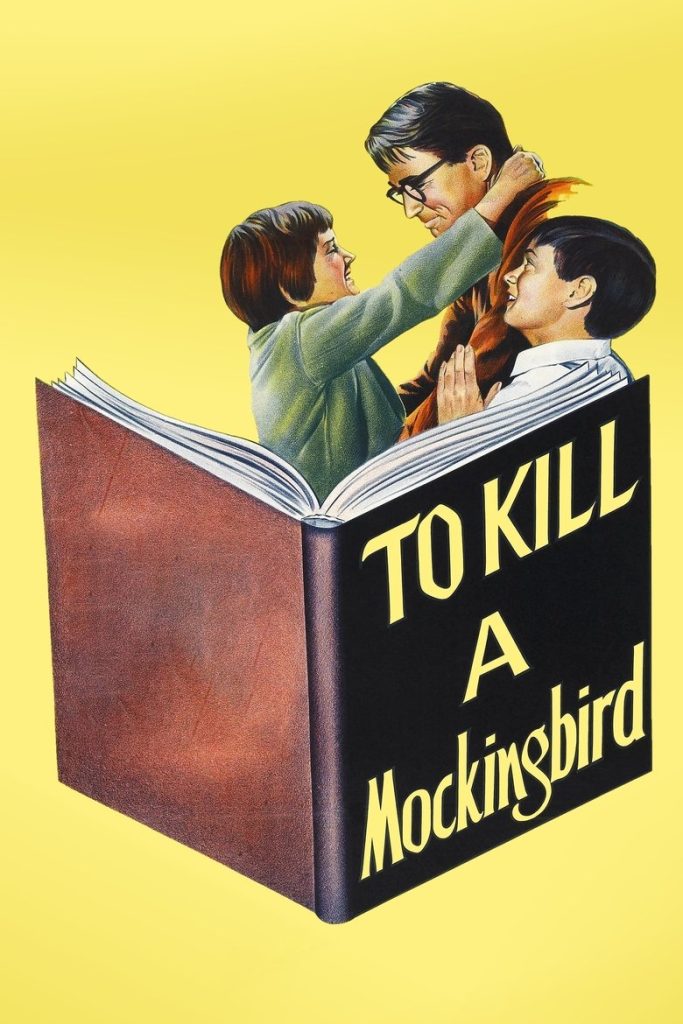
Story overview
This classic film follows young Scout Finch and her brother Jem as they navigate childhood in a small Alabama town during the Great Depression. Their father Atticus, a principled lawyer, takes on the controversial defense of a black man falsely accused of a serious crime. Through the children's eyes, the story explores themes of racial injustice, moral courage, and growing up in a divided society. The film presents a thoughtful examination of prejudice and integrity through the lens of family relationships.
Parent Guide
A thoughtful drama addressing serious social issues through a child's perspective, requiring parental guidance for discussions about racism and injustice.
Content breakdown
Some tense situations including a nighttime confrontation and courtroom drama, but no graphic violence shown.
Themes of racial injustice, false accusations, and social prejudice may be emotionally challenging. Tense scenes involving threats and courtroom proceedings.
Period-appropriate racial terms used in historical context, but not excessive or gratuitous.
No sexual content or nudity present in the film.
No substance use depicted in the film.
Strong emotional themes involving injustice, moral courage, and social division. Courtroom scenes and racial tension create emotional weight.
Parent tips
This film deals with mature themes including racial injustice, false accusations, and social prejudice that may require parental guidance for younger viewers. While there's no graphic violence or explicit content, the courtroom drama and tense situations involving racial tension could be emotionally challenging for some children. The film's historical context and moral lessons make it valuable viewing for families, but parents should be prepared to discuss the difficult topics it raises about fairness, courage, and social inequality.
Parent chat guide
Parent follow-up questions
- What did you think about the children in the movie?
- How did the father help people?
- What does it mean to be fair to everyone?
- What was your favorite part of the story?
- How did the children learn about being brave?
- Why was it important for the father to defend the accused man?
- How did the children's understanding of their neighbor change?
- What examples of unfair treatment did you notice?
- How did characters show courage in difficult situations?
- What did you learn about standing up for what's right?
- How does the film show the impact of prejudice on a community?
- What moral dilemmas did the main characters face?
- How did the children's perspective help tell this story?
- What historical context is important to understand this film?
- How do the film's themes relate to modern discussions about justice?
- How does the film explore the relationship between law and morality?
- What commentary does the film make about social systems and injustice?
- How do the child characters serve as moral witnesses in the story?
- What contemporary parallels can you draw from the film's themes?
- How does the film handle complex issues of race and class in America?
🎭 Story Kernel
The film's core isn't Atticus Finch's legal defense of Tom Robinson, but the moral education of his children, Scout and Jem. Their journey from childhood innocence to disillusioned awareness drives the narrative. The trial serves as the catalyst, exposing the deep-seated racial prejudice of Maycomb. The real conflict is internal—Scout's struggle to reconcile her father's teachings about equality with the town's hypocrisy. The film explores how prejudice is learned and how courage is defined not by winning, but by fighting for what's right against overwhelming odds. Boo Radley's emergence completes this education, revealing that true monsters are often human, and heroes can be silent and misunderstood.
🎬 Visual Aesthetics
Director Robert Mulligan employs a deliberate, almost nostalgic visual language. The film is shot in black and white, not just for period authenticity but to emphasize moral clarity and the stark divisions in Maycomb society. Low-angle shots from Scout's perspective dominate, making the adult world seem imposing and often threatening. The courtroom scenes use tight framing to create claustrophobia, mirroring Tom Robinson's trapped existence. Light and shadow play symbolically—Boo Radley's house is perpetually in darkness, while the Finch home is bathed in light. The visual pacing is slow and observational, forcing viewers to sit with uncomfortable moments, much like the children must.
🔍 Details & Easter Eggs
💡 Behind the Scenes
Gregory Peck was not the first choice for Atticus Finch; Rock Hudson was initially considered. Peck's own fatherly demeanor and moral conviction made the role iconic, earning him an Oscar. The film was shot entirely on a backlot at Universal Studios, with Maycomb meticulously constructed to feel authentically Southern. Harper Lee visited the set and was reportedly moved to tears by Peck's performance, later giving him her father's pocket watch (the inspiration for Atticus) as a gift. The famous courtroom scene was filmed in sequence over five days to maintain emotional continuity for the actors.
Where to watch
Choose region:
- Amazon Video
- Apple TV
- Google Play Movies
- YouTube
- Fandango At Home
- Mometu
- Hoopla
- JustWatchTV
- Plex Channel
Trailer
Trailer playback is unavailable in your region.