
To Kill a Tiger (2023)
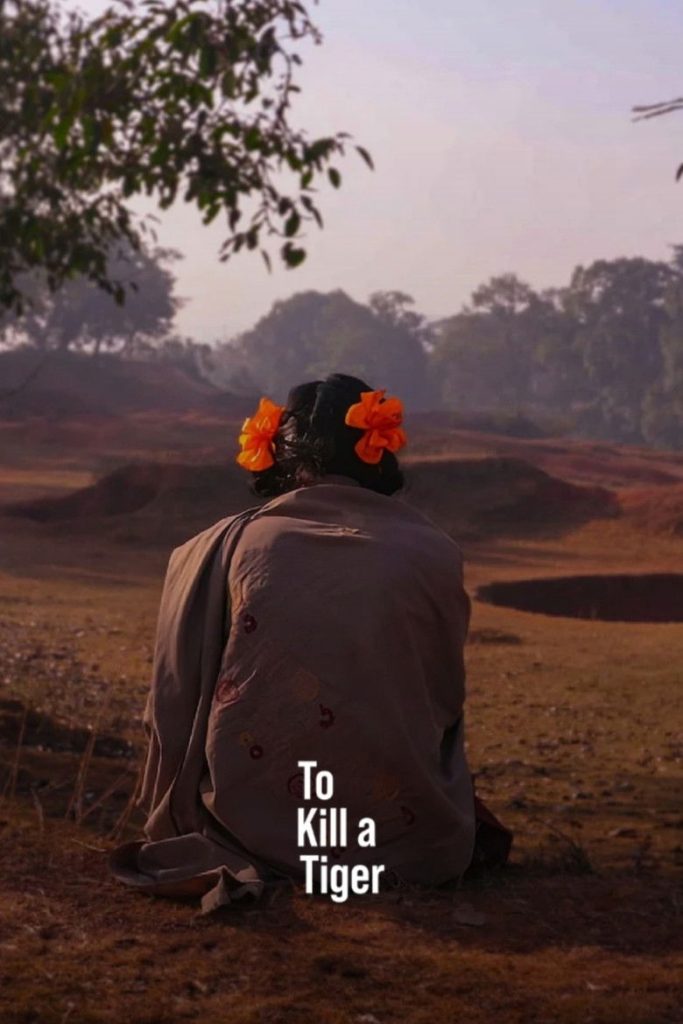
Story overview
This powerful documentary follows Ranjit, an Indian farmer, as he courageously pursues justice for his 13-year-old daughter who survived a brutal gang rape. The film explores his unprecedented journey in a society where such support is rare, highlighting themes of resilience, family loyalty, and systemic challenges.
Parent Guide
This documentary contains intense, mature content about sexual violence and its aftermath. It includes detailed discussions of rape, trauma responses, and societal pressures. While handled with sensitivity, the subject matter is graphic and emotionally challenging.
Content breakdown
Contains detailed descriptions of gang rape, threats of violence, and discussions of physical assault. While no visual violence is shown, the verbal accounts are graphic and disturbing.
Extremely disturbing content including detailed accounts of sexual violence, emotional trauma, victim-blaming, and the psychological impact on the survivor and her family. May trigger strong emotional responses.
Contains strong language related to the assault and emotional discussions. Some translations may include explicit terms describing violence and trauma.
Extensive discussion of sexual violence including detailed descriptions of rape. No nudity is shown, but the sexual content is explicit in its descriptions of assault.
No substance use depicted or discussed in the documentary.
Extremely high emotional intensity throughout. Features raw emotional moments including grief, anger, fear, and trauma responses from the survivor and family members. Deals with heavy themes of injustice and societal pressure.
Parent tips
This documentary deals with mature themes including sexual violence, trauma, and social injustice. It contains graphic descriptions of assault, emotional distress, and discussions of gender-based violence. Recommended for mature audiences only due to intense subject matter.
Parent chat guide
Parent follow-up questions
—
—
—
- What did you learn about the challenges survivors face in seeking justice?
- How did Ranjit's support for his daughter challenge social expectations?
- What emotions did you notice in the family members throughout their journey?
- What systemic changes might help prevent such violence in the future?
🎭 Story Kernel
At its heart, the film is a radical exploration of masculine vulnerability and moral fortitude within a culture of entrenched patriarchy. It follows Ranjit, a humble farmer in Jharkhand, India, who defies his entire village to seek justice for his thirteen-year-old daughter after a brutal gang rape. The narrative transcends a typical true-crime documentary by focusing on the psychological warfare waged by the community, which views the pursuit of justice as a threat to social harmony. It examines how the 'tiger' of the title represents both the literal predators and the metaphorical beast of tradition that demands a victim's silence. The film is a profound study of the isolation that comes with integrity, illustrating that the most heroic act a father can perform is simply believing and standing by his daughter against the world.
🎬 Visual Aesthetics
Cinematographer Mrinal Desai employs a grounded, observational style that favors intimacy over spectacle. The visual palette is dominated by the earthy tones of rural Jharkhand, using natural light to create a sense of raw, unvarnished reality. The camera remains remarkably close to Ranjit, capturing every flicker of exhaustion and resolve on his weathered face, which serves as the film's emotional anchor. There is a deliberate contrast between the expansive, beautiful landscapes and the claustrophobic interiors of the family home, reflecting their social ostracization. Symbolism is found in the recurring imagery of the surrounding forest—a place of both danger and livelihood. The editing maintains a slow, deliberate pace that mirrors the grueling, multi-year journey of the legal process, ensuring the audience feels the agonizing weight of time passing as the family waits for a verdict.
🔍 Details & Easter Eggs
💡 Behind the Scenes
Directed by Nisha Pahuja, the documentary was a labor of love that took eight years to complete, demonstrating a deep commitment to the subjects' lives. It premiered at the 2022 Toronto International Film Festival, where it won the Amplify Voices Award for Best Canadian Feature Film. The project gained significant international momentum when high-profile figures including Dev Patel, Mindy Kaling, and Priyanka Chopra Jonas joined as executive producers to support its global distribution. This advocacy helped propel the film to an Academy Award nomination for Best Documentary Feature at the 96th Oscars, marking a milestone for Indian-themed documentary storytelling.
Where to watch
Choose region:
- Netflix
- Netflix Standard with Ads
Trailer
Trailer playback is unavailable in your region.