
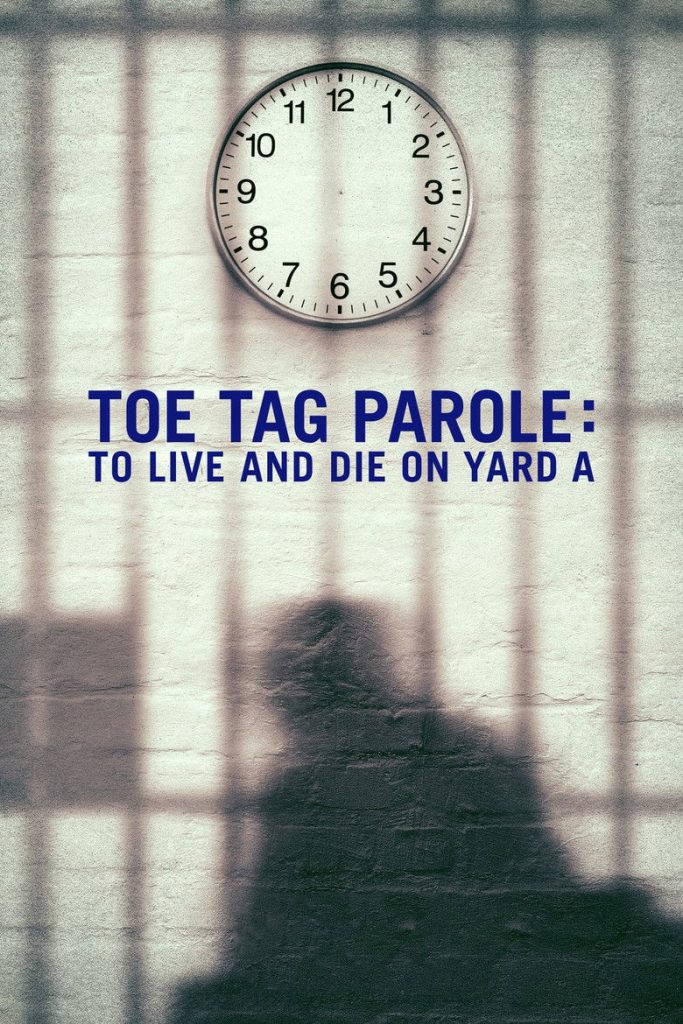
Toe Tag Parole: To Live and Die on Yard A (2015)
Story overview
This documentary explores a unique prison program in California where inmates serving life sentences without parole created a violence-free, cooperative living environment. It examines how this experimental 'Honor Yard' transformed prison culture by eliminating gangs, drugs, and racial tensions through mutual respect and rehabilitation-focused programming.
Parent Guide
A thoughtful documentary about prison reform that focuses on positive transformation rather than sensationalism. While the subject matter is mature, the presentation is educational and hopeful.
Content breakdown
Discussions of prison violence and criminal activities, but no graphic depictions. The documentary focuses on the absence of violence in the Honor Yard program.
Themes of incarceration and life sentences may be emotionally heavy for some viewers. Discussions of past criminal behavior and prison conditions, but presented in an educational context.
May include occasional mild language related to prison culture or inmate interviews. No strong profanity expected in this documentary format.
No sexual content or nudity in this documentary about prison reform.
Discussions of past drug use and prison substance abuse problems, but the documentary focuses on the elimination of these issues in the Honor Yard program.
Emotionally complex themes about incarceration, rehabilitation, and life sentences. The documentary balances serious subject matter with hopeful messages about human transformation.
Parent tips
This documentary deals with mature themes about the prison system and life sentences. While it focuses on positive transformation, it discusses serious criminal justice topics that may be difficult for younger children to understand. Best suited for mature teens interested in social issues or criminal justice reform.
Parent chat guide
Parent follow-up questions
—
—
- What do you think makes a place safe or unsafe?
- How do you think people can work together to solve problems?
- What factors do you think contributed to the success of this prison program?
- How does this documentary challenge stereotypes about incarcerated people?
- What are the ethical considerations of life sentences without parole?
- How might this model apply to other social problems?
🎭 Story Kernel
Toe Tag Parole isn't just about incarceration; it's a raw examination of how institutionalization becomes identity. The film's real subject is the psychological prison that persists after physical release. These men aren't driven by crime or redemption narratives, but by the terrifying realization that 'Yard A' has rewired their fundamental humanity. The most compelling tension isn't between inmates and guards, but between who they were before prison and who they've become—men who find the structured brutality of incarceration more comprehensible than the chaotic freedom outside. The film suggests that for some, parole isn't liberation but a more complex form of confinement.
🎬 Visual Aesthetics
The cinematography employs a claustrophobic, observational style that mirrors the inmates' experience. Static shots in cramped cells contrast with shaky handheld footage during yard time, visually representing the tension between confinement and controlled movement. The color palette is deliberately desaturated—concrete grays, institutional greens, and muted blues dominate, making rare moments of color (like a fading tattoo or a family photo) feel like artifacts from another life. The camera often lingers on faces during interviews, capturing micro-expressions that reveal more than their words. Security camera footage is interspersed throughout, creating a meta-commentary on constant surveillance both inside and outside prison walls.
🔍 Details & Easter Eggs
💡 Behind the Scenes
The film's title refers to the practice of tagging deceased inmates' toes with identification, but the documentary crew discovered the phrase had deeper resonance among prisoners as metaphor for carrying one's institutional identity. Most footage was captured over three years with unprecedented access negotiated through former inmates turned advocates. Several subjects participated in filming their own re-entry experiences using provided cameras, creating uniquely intimate first-person perspectives. The director initially planned a six-month project but extended it when realizing the real story unfolded in the years following release.
Where to watch
Choose region:
- HBO Max
- HBO Max Amazon Channel
- Amazon Video
- Apple TV Store
- Google Play Movies
- YouTube
- Fandango At Home
Trailer
Trailer playback is unavailable in your region.