
Tokyo Story (1953)
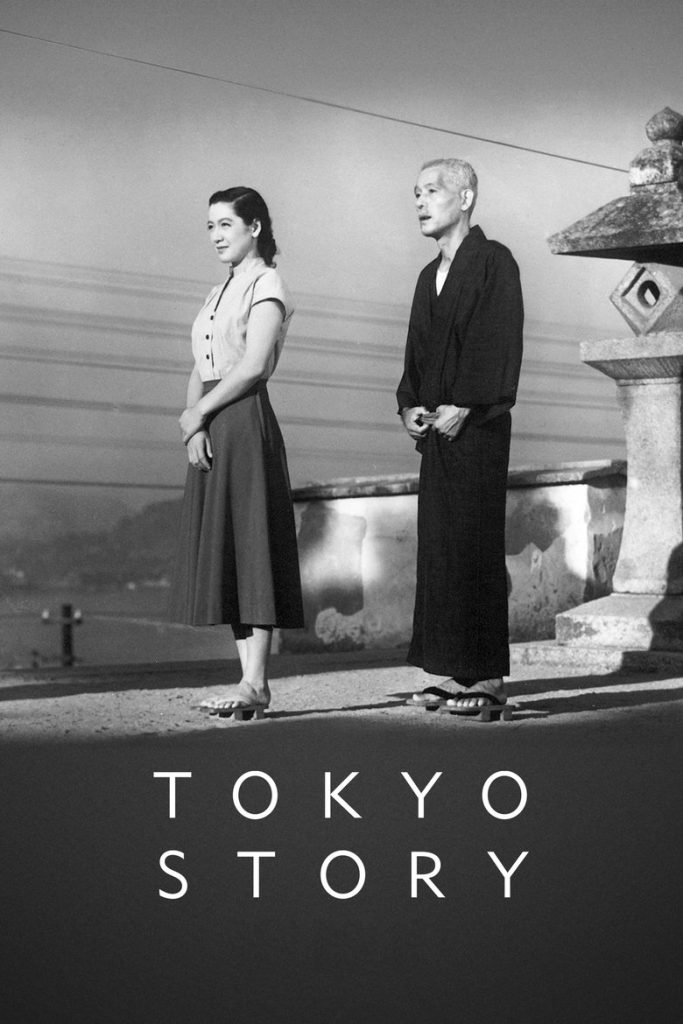
Story overview
Tokyo Story follows an elderly couple who travel from their rural village to visit their adult children in Tokyo. The film explores the generational gap and changing family dynamics as their busy children have little time for them. Through quiet moments and subtle interactions, it portrays themes of aging, loneliness, and the evolving nature of family relationships in post-war Japan.
Parent Guide
A thoughtful drama about family relationships and aging, suitable for mature children who can appreciate slow-paced character studies.
Content breakdown
No violence, action, or perilous situations.
Themes of aging, mortality, and family neglect may be emotionally weighty for sensitive viewers.
No offensive language.
No sexual content or nudity.
No substance use shown.
Deals with mature themes of loneliness, aging, and family dynamics in a thoughtful, understated manner.
Parent tips
This classic Japanese drama moves at a deliberate pace with minimal action, which may challenge younger viewers' attention spans. The film deals with mature themes of aging, family neglect, and mortality in a subtle, thoughtful manner. While there's no explicit content, the emotional weight and slow pacing make it best for mature children who can appreciate character-driven stories.
Parent chat guide
Parent follow-up questions
- How do you think the grandparents felt when their children were busy?
- What are some nice things we can do for our grandparents?
- How is a city different from a small village?
- Why do you think the adult children didn't spend more time with their parents?
- How does the film show that people can feel lonely even with family around?
- What does the movie teach us about being thoughtful toward older people?
- How does the film portray the difference between traditional and modern family values?
- What might the characters have learned about themselves through this visit?
- How does the setting of post-war Japan influence the family dynamics shown?
- How does the film use quiet moments to convey emotional depth without dialogue?
- What commentary does the movie make about urbanization and changing social structures?
- How do cultural expectations about family responsibility differ between generations in the film?
🎭 Story Kernel
The film explores the painful, inevitable drift between parents and their adult children in post-war Japan. The elderly couple's visit to Tokyo reveals not malice but the quiet erosion of familial bonds through modernization and busy lives. What drives the characters is a deep, unspoken loneliness—the parents' disappointment masked by politeness, the children's guilt hidden beneath practical excuses. The real tragedy isn't dramatic conflict but the gradual acceptance that their once-close family now exists as polite strangers. The film suggests this separation isn't anyone's fault but a natural consequence of time and change.
🎬 Visual Aesthetics
Ozu's signature 'tatami shot' camera placement creates a grounded, intimate perspective that makes viewers feel like silent participants in family scenes. The static frames and deliberate pacing mirror the characters' emotional stagnation. The visual composition is meticulously balanced yet feels quietly empty, reflecting the emotional voids in relationships. Ozu uses everyday objects—trains, tea sets, clothing—as silent witnesses to the family's gradual disintegration. The restrained color palette of muted browns and grays emphasizes the film's melancholic tone without ever becoming visually depressing.
🔍 Details & Easter Eggs
💡 Behind the Scenes
Director Yasujirō Ozu developed his distinctive low-angle 'tatami shot' style by removing the legs of tripods to achieve his preferred camera height. The film was largely ignored in Japan upon release, considered too slow and ordinary, but gained international acclaim years later. Setsuko Hara, who played Noriko, became known as 'the eternal virgin' of Japanese cinema and retired abruptly at age 43, never appearing in public again—mirroring the film's themes of withdrawal and silence.
Where to watch
Choose region:
- HBO Max
- HBO Max Amazon Channel
- Criterion Channel
- Amazon Video
- Apple TV
- Google Play Movies
- YouTube
- Fandango At Home
- Kanopy
- Plex
- Plex Channel
- Fawesome
Trailer
Trailer playback is unavailable in your region.