
Tom Petty, Somewhere You Feel Free (2021)
Story overview
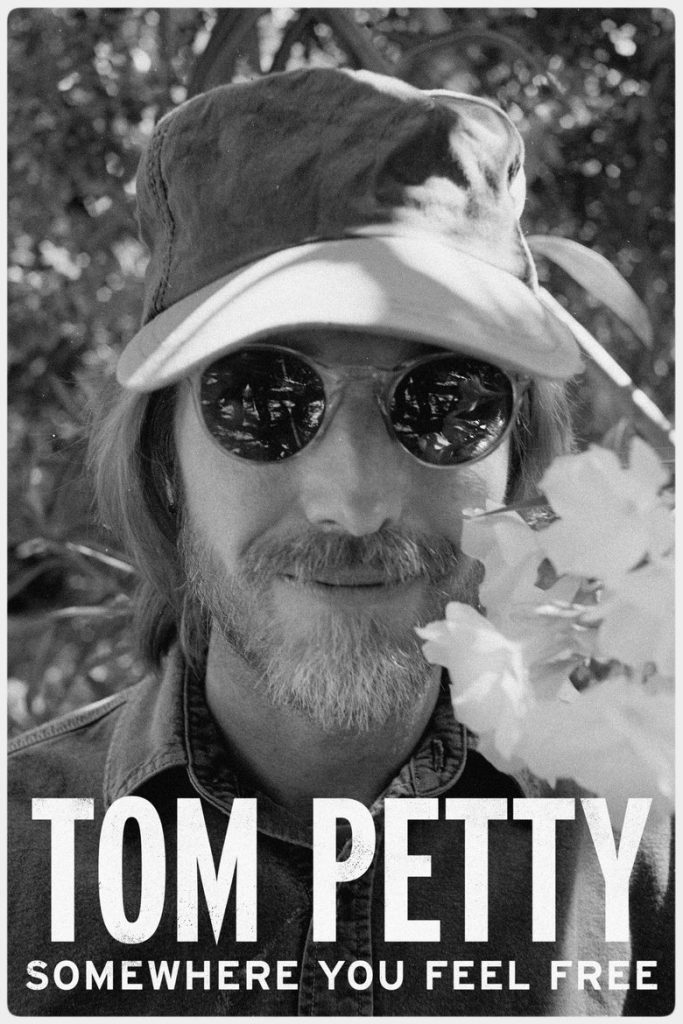
This documentary offers an intimate look at musician Tom Petty during the creation of his acclaimed 1994 album 'Wildflowers.' Through archival 16mm footage, viewers see Petty collaborating with band members in the studio, discussing creative decisions, and reflecting on his artistic process. The film focuses on music-making, artistic expression, and the behind-the-scenes dynamics of recording an album, without dramatic conflict or sensational content.
Parent Guide
A gentle, music-focused documentary suitable for all ages. Contains no concerning content—only musicians working creatively in a studio environment.
Content breakdown
No violence, danger, or peril of any kind. The entire film takes place in safe studio and interview settings.
Nothing scary or disturbing. The tone is reflective and creative throughout.
No profanity or inappropriate language detected in the provided information. Conversations focus on musical and creative topics.
No sexual content, references, or nudity. The film is entirely about music creation.
No depiction or discussion of substance use. The focus is purely on musical creativity.
Some emotional moments when Petty discusses his artistic vision, but these are reflective rather than intense. The overall mood is calm and creative.
Parent tips
This documentary is suitable for most children who enjoy music or are curious about how albums are made. The content is entirely focused on musical creation and contains no concerning material. Younger viewers might find the studio discussions slow, but the music performances will likely hold their interest. Consider watching together if your child is a Tom Petty fan or interested in music production.
Parent chat guide
Parent follow-up questions
- What instruments did you see?
- Did you like the music?
- What was your favorite part?
- How do you think musicians decide when a song is finished?
- What did you notice about how the band members worked together?
- Why do you think Tom Petty wanted to make this album?
- What did you learn about the music recording process?
- How does seeing the creative process change how you listen to the music?
- What qualities do you think make an album 'great'?
- How does this documentary portray artistic authenticity?
- What insights did you gain about creative collaboration?
- How does this film contextualize Petty's work within 1990s music culture?
🎭 Story Kernel
The film is not a conventional biopic but a meditation on the quiet, unglamorous genesis of art. It expresses the profound vulnerability of creation, capturing Petty not as a rock star but as a craftsman in his workshop. The driving force is the internal compulsion to make something true, away from the pressures of commercial success. We see the band's dynamic shift from business partners to a collective of friends rediscovering the joy of playing together. The real story is about the space between inspiration and execution, where doubt and freedom coexist. It's a portrait of an artist at his most exposed, building a masterpiece from the ground up.
🎬 Visual Aesthetics
The visual language is deliberately unpolished and intimate, relying heavily on grainy, sun-drenched 16mm footage and candid behind-the-scenes shots. The color palette is warm and earthy, dominated by the natural light of the California studio, creating a timeless, documentary feel. Camera work is observational, often handheld, placing the viewer in the room as a silent witness. There's a beautiful contrast between the cluttered, lived-in studio space and the pristine, focused energy of the recording sessions. The film uses close-ups on hands tuning guitars, faces deep in concentration, and the physical artifacts of creation—tape reels, lyric sheets—to symbolize the tangible work behind the music.
🔍 Details & Easter Eggs
💡 Behind the Scenes
The documentary is constructed entirely from never-before-seen archival footage shot by Martyn Atkins during the 1994-1995 recording sessions for the 'Wildflowers' album. This footage was stored in Petty's vault for over 25 years. The film was directed by Mary Wharton, who meticulously curated over 40 hours of raw material. Notably, the production involved restoring and digitizing the original 16mm film reels, which had degraded over time. The audio was remixed and remastered from the original session tapes, providing a sonic clarity that makes the studio discussions and musical experiments feel immediate and present.
Where to watch
Choose region:
- Amazon Prime Video
- Peacock Premium
- Amazon Prime Video with Ads
- Peacock Premium Plus
- The Roku Channel
- Tubi TV
Trailer
Trailer playback is unavailable in your region.