
Toni Morrison: The Pieces I Am (2019)
Story overview
This documentary provides an insightful look into the life and work of Nobel Prize-winning author Toni Morrison. Through interviews with Morrison herself and notable figures like Oprah Winfrey and Angela Davis, the film explores themes of race, history, and the human condition in America. It's an educational and thought-provoking examination of one of literature's most important voices.
Parent Guide
Educational documentary about literary icon Toni Morrison, exploring mature themes of race and history through interviews and analysis. Suitable for mature middle schoolers and older.
Content breakdown
No violent scenes or peril. Discussion of historical racial violence and oppression is present but not depicted visually.
Discussion of difficult historical topics including slavery, racism, and oppression. No graphic imagery, but themes may be emotionally challenging for younger viewers.
Occasional mild language consistent with PG-13 rating. No strong profanity.
No sexual content or nudity.
No depiction of substance use.
Emotionally intense discussions about race, history, and personal experiences. The film deals with serious themes that may provoke strong emotional responses, particularly regarding America's racial history.
Parent tips
This documentary is suitable for mature middle schoolers and teenagers who can engage with complex themes about race and history. The PG-13 rating reflects the mature subject matter rather than objectionable content. Consider watching together to discuss the important themes presented.
Parent chat guide
Parent follow-up questions
—
- Who was Toni Morrison and why is she important?
- What is a documentary and how is it different from other movies?
- What themes did Toni Morrison explore in her writing?
- How did her experiences shape her stories?
- Why do you think her work is still important today?
- How does Morrison's work challenge traditional narratives about American history?
- What connections can you make between her themes and current social issues?
- How does the documentary present the relationship between personal experience and artistic creation?
🎭 Story Kernel
The film is not a conventional biopic but a profound meditation on the act of creation itself. It explores Toni Morrison's core philosophy: that her writing was an act of radical love and political necessity, reclaiming the interior lives of Black Americans from the erasure of the 'white gaze.' The narrative is driven by Morrison's own voice, explaining how she deliberately wrote for a Black audience first, constructing a 'village' of characters to explore complex themes of beauty, trauma, and community. The film's real subject is the intellectual and emotional architecture of her work—how she built worlds from fragments of history, memory, and language to assert a fundamental, unassailable humanity.
🎬 Visual Aesthetics
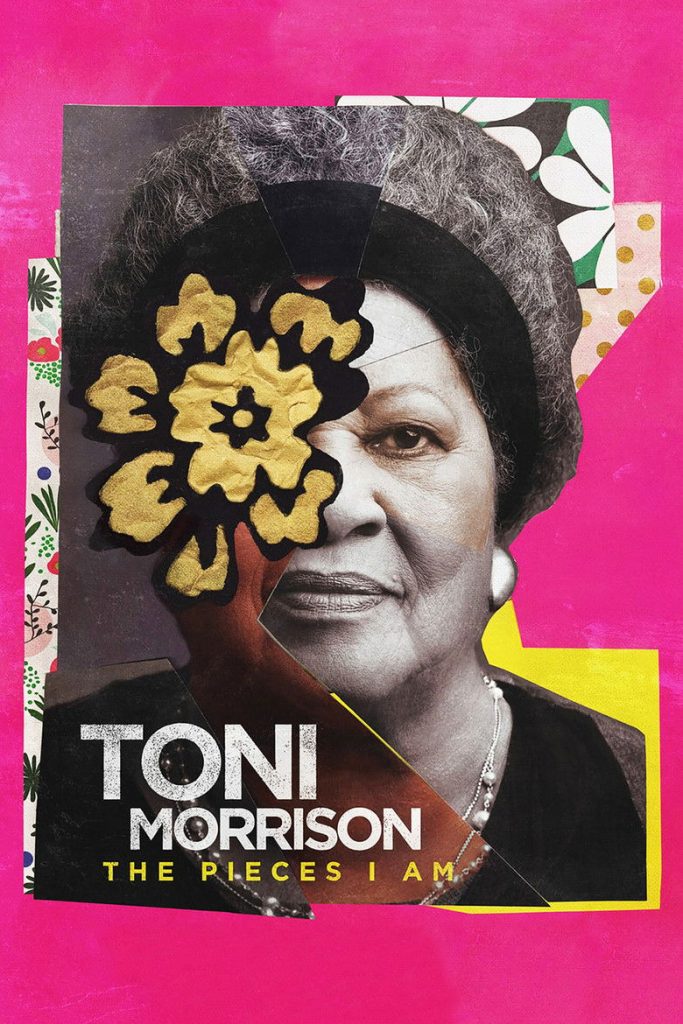
The film employs a strikingly intimate visual language, centering on close-up interviews with Morrison shot against a stark, dark background, making her the sole, luminous focus. This is intercut with a vibrant collage of archival photographs, animated illustrations of her book covers, and historical footage. The color palette often shifts to warm, rich tones when showcasing her literary world or personal photographs, contrasting with the cooler, more analytical tones of historical segments. The editing rhythm mirrors Morrison's prose—lyrical, deliberate, and accumulative, allowing images and words to resonate rather than simply illustrate.
🔍 Details & Easter Eggs
💡 Behind the Scenes
Director Timothy Greenfield-Sanders had a long-standing personal and professional relationship with Morrison, having photographed her for decades. This trust is palpable, allowing for remarkably candid interviews. The film was shot over several years, with the central interview conducted in 2017 when Morrison was 86. Many of the notable interviewees, including Oprah Winfrey, Angela Davis, and Walter Mosley, were not just admirers but friends and colleagues, adding a layer of personal testimony rarely seen in literary documentaries. The score by Kathryn Bostic is intentionally sparse, designed to never compete with the power of Morrison's own voice.
Where to watch
Choose region:
- Netflix
- Amazon Prime Video
- Philo
- Netflix Standard with Ads
- Amazon Prime Video with Ads
- The Roku Channel
- Tubi TV
- Amazon Video
- Apple TV Store
- Google Play Movies
- YouTube
- Fandango At Home
- FlixFling
- Spectrum On Demand
Trailer
Trailer playback is unavailable in your region.