Too Soon (2025)
Story overview
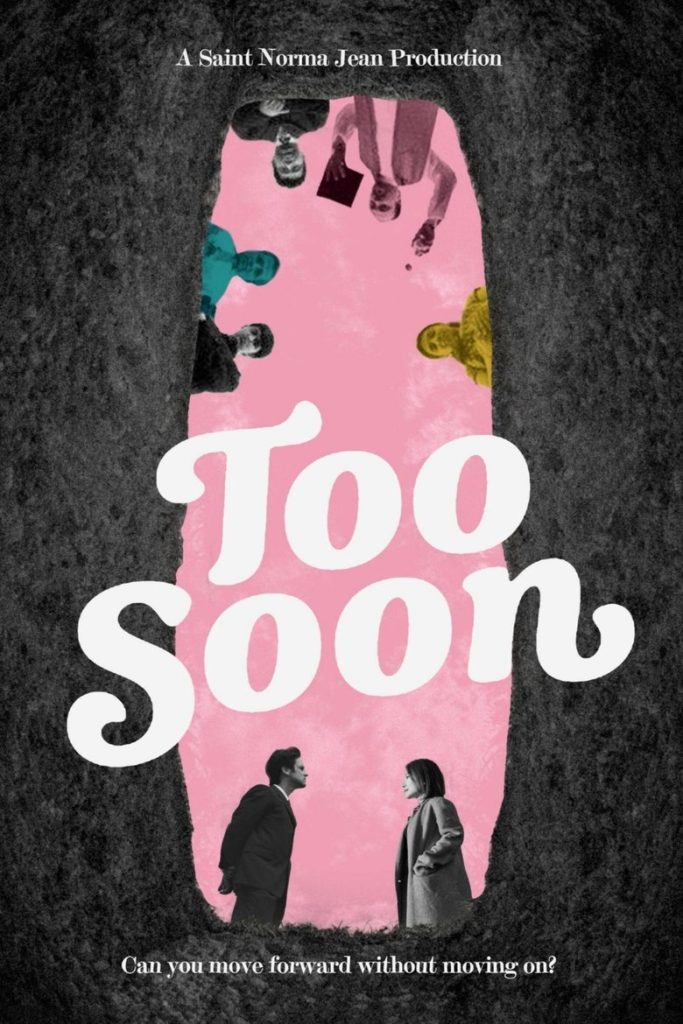
Too Soon is a 2025 American romance film directed by Aurora Florence and Jeff Dickamore. The story follows a young widow and widower who meet unexpectedly on the day of their respective spouses' funerals, exploring themes of grief, healing, and the possibility of new love emerging from profound loss. The film examines how two people navigate their shared sorrow while discovering an unexpected connection that challenges their assumptions about moving forward.
Parent Guide
A sensitive romance focusing on emotional healing after loss, appropriate for mature children who can handle themes of grief. The film handles difficult subjects with care and emphasizes emotional connection over dramatic conflict.
Content breakdown
No violence, action sequences, or peril. The film focuses entirely on emotional and relational dynamics.
Themes of death and grief may be emotionally challenging for sensitive viewers, but there are no frightening visuals, jump scares, or disturbing imagery. Funeral scenes are respectfully handled.
No profanity, crude language, or offensive terms expected in this type of sensitive romance drama.
No sexual content, nudity, or suggestive situations. Romantic elements focus on emotional connection, conversation, and gentle affection.
No depiction of alcohol, drug use, or smoking. Characters are shown in emotional states that don't involve substance use.
Strong emotional themes of grief, loss, and healing. Characters experience significant sadness but also moments of hope and connection. The emotional journey is central to the story but handled with sensitivity.
Parent tips
This film deals sensitively with themes of death, grief, and emotional recovery. Parents should be prepared to discuss loss and healing with children who watch. The romantic elements are gentle and focus on emotional connection rather than physical intimacy. The film presents a thoughtful exploration of how people process grief differently and find hope after tragedy.
Parent chat guide
Parent follow-up questions
- How did the characters feel when they were sad?
- What made them feel a little better?
- Did you see them being kind to each other?
- Why do you think they met on such a sad day?
- How did talking about their spouses help them?
- What did you notice about how they helped each other feel less alone?
- How did the movie show that grief affects people differently?
- What did you think about the timing of their meeting?
- How did the film balance sadness with hope?
- How does the film challenge traditional timelines for grieving?
- What does the movie suggest about finding connection during difficult times?
- How did the characters' shared experience create a unique bond?
🎭 Story Kernel
Too Soon dissects the impulsive decision of a couple to marry after knowing each other for only four days. While traditional romantic comedies typically conclude at the wedding, this film uses the ceremony as a catalyst for a deeper exploration of identity and compatibility. It explores the terrifying realization that the person you have committed your life to is essentially a stranger. The narrative shifts from the dopamine-fueled rush of new love to the sobering friction of shared space and conflicting personal histories. It is a study of the honeymoon phase being forcibly merged with the power struggle phase of a relationship. The film ultimately asks whether a foundation built on pure instinct can withstand the weight of reality, or if the speed of the start dooms the longevity of the finish.
🎬 Visual Aesthetics
The cinematography reflects the emotional trajectory of the protagonists, moving from a hazy, almost dreamlike vibrancy during the initial courtship to a more grounded, naturalistic palette once the marriage begins. The framing is notably intimate, often utilizing tight close-ups to capture the subtle shifts in facial expressions as the characters navigate their new reality. This creates a sense of claustrophobia that mirrors the characters' internal panic. The use of domestic spaces is particularly effective; the apartment becomes a character in itself, highlighting the physical clutter and lack of personal space that comes with a rushed union. The visual language emphasizes the contrast between the grand, romantic gesture of a wedding and the mundane, often awkward, interactions of daily life, grounding the film's high-concept premise in a tactile world.
🔍 Details & Easter Eggs
💡 Behind the Scenes
The film is a deeply personal project for Aurora Florence and Jeff Dickamore, who are married in real life. This real-world connection adds a layer of authenticity to their performances and the chemistry on screen. The production was largely a grassroots, independent effort, with the duo taking on multiple roles behind the scenes, including writing, directing, and starring. This DIY approach allowed for a high degree of creative control, ensuring the film maintained its specific, idiosyncratic tone. The project was born out of their own experiences and observations regarding the pressures and expectations placed on modern relationships.
Where to watch
Streaming availability has not been announced yet.