Touch (2024)
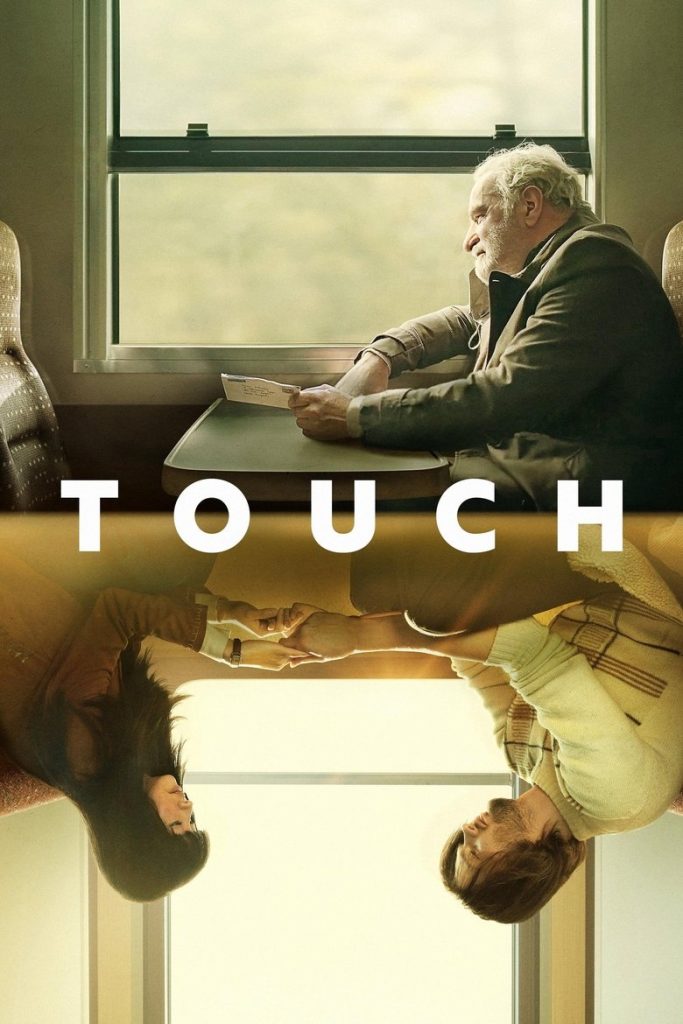
Story overview
Touch is a 2024 romance drama film that explores the complexities of human relationships and emotional connections. The story follows characters navigating love, loss, and personal growth in contemporary settings. With its R rating, the film likely contains mature themes and content suitable for adult audiences.
Parent Guide
This R-rated romance drama contains mature content suitable for adult audiences. Parents should preview the film or research specific content before allowing teens to watch.
Content breakdown
Romance dramas may contain emotional conflicts and tense situations, but specific violence levels are unknown without more details.
May contain emotionally intense scenes related to relationship conflicts or personal struggles.
R-rated films typically contain strong language, though specific content is unknown.
Romance films often include sexual content or nudity, particularly with an R rating.
Adult characters in dramatic settings may consume alcohol or other substances.
Romance dramas typically explore intense emotional themes and relationship conflicts.
Parent tips
This film has an R rating, indicating content that may be inappropriate for viewers under 17 without parental guidance. The romance and drama genres suggest the film will explore adult relationships and emotional themes that may be too mature for younger audiences. Parents should be aware that R-rated films typically contain strong language, sexual content, violence, or other adult material.
Parent chat guide
Parent follow-up questions
- What did you notice about how the characters treated each other?
- How did the music make you feel during different parts?
- What colors or pictures did you like best in the movie?
- What was the main problem the characters were trying to solve?
- How did the characters show they cared about each other?
- What would you do differently if you were in that situation?
- What did you think about how the characters communicated their feelings?
- How realistic do you think the relationships in the movie were?
- What lessons about friendship or family did you notice in the story?
- How does this film's portrayal of romance compare to other movies you've seen?
- What ethical dilemmas did the characters face in their relationships?
- How did the film handle themes of consent and boundaries in relationships?
🎭 Story Kernel
At its core, Touch is an elegiac meditation on the endurance of love against the erosion of time and the finality of mortality. Following Kristofer, an elderly widower facing the early stages of dementia, the narrative bridges the gap between 1960s London and the present day. It explores how a singular, unfinished romance can define a lifetime, framing the search for Miko not just as a romantic quest, but as a desperate attempt to reclaim one's identity before it fades. The film delves into the cultural clashes of the era and the profound impact of global events—like the aftermath of Hiroshima—on individual lives, suggesting that personal history is inextricably linked to the scars of the world.
🎬 Visual Aesthetics
Kormákur employs a dualistic visual palette to distinguish between the vibrant, hopeful past and the muted, clinical present. The 1960s London sequences are bathed in warm, tactile textures, emphasizing the sensory awakening Kristofer experiences in Miko’s father’s restaurant. In contrast, the modern-day journey through Iceland and Japan uses a cooler, more expansive lens, reflecting Kristofer’s isolation and the vast distance he must traverse. The cinematography frequently focuses on hands and physical contact—the titular 'touch'—using close-ups to elevate small gestures into monumental emotional beats. This visual focus on the physical serves as a poignant counterpoint to the protagonist’s failing memory, grounding his internal world in the tangible reality of the people he once held.
🔍 Details & Easter Eggs
💡 Behind the Scenes
The film is an adaptation of the best-selling novel by Icelandic author Ólafur Jóhann Ólafsson, who also co-wrote the screenplay with Kormákur. To ensure authenticity, Kormákur cast Palmi Kormákur, his own son, to play the younger version of Kristofer, providing a natural physical resemblance and continuity to the character's aging process. The production spanned multiple continents, filming on location in London, Iceland, and Japan to capture the specific atmospheric shifts required by the story. Notably, the film marks a significant departure for Kormákur, known for high-octane survival thrillers like Everest, moving into more intimate, character-driven territory.
Where to watch
Choose region:
- Peacock Premium
- Peacock Premium Plus
- Amazon Video
- Apple TV
- Google Play Movies
- YouTube
- Fandango At Home
- FlixFling
Trailer
Trailer playback is unavailable in your region.