
Toy Story 2 (1999)
Story overview
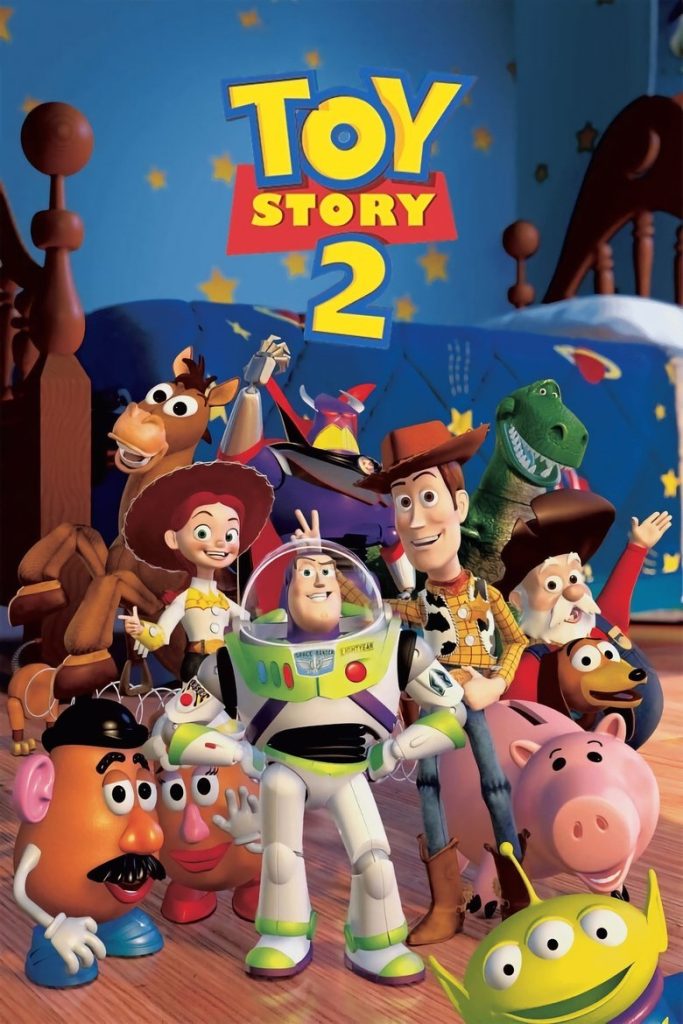
Toy Story 2 continues the adventures of Woody, Buzz Lightyear, and Andy's other toys. When Woody is taken by a toy collector, the remaining toys embark on a rescue mission to bring him home. The story explores themes of friendship, loyalty, and finding where one truly belongs. It's a heartwarming tale that combines humor with emotional moments.
Parent Guide
A family-friendly animated sequel with positive messages about friendship and loyalty, suitable for most children with some mild tense moments.
Content breakdown
Some scenes of toys in peril, including a kidnapping plot and chase sequences. No real violence, but toys are shown in dangerous situations.
Mildly tense moments when toys are in danger or separated. Some emotional scenes dealing with abandonment and identity issues.
No offensive language. Clean, family-appropriate dialogue throughout.
No sexual content or nudity. Completely appropriate for children.
No substance use depicted in the film.
Some emotional moments dealing with friendship, loyalty, and feelings of being replaced or forgotten. Generally uplifting with a happy resolution.
Parent tips
Toy Story 2 is a G-rated film that's generally appropriate for all ages, though some scenes might be intense for very young viewers. The movie contains mild peril when toys are in danger of being separated or lost, and there are emotional moments dealing with abandonment and identity. Parents should be aware that the themes of being replaced or forgotten might resonate with children who have experienced similar feelings.
The film's positive messages about friendship, teamwork, and loyalty are strong and clear. The humor is family-friendly and the animation is engaging. This is a good opportunity to discuss with children how to handle feelings of jealousy or fear of being left behind.
Consider watching this with younger children who might need reassurance during the more tense moments. The resolution is happy and affirming, making it a good choice for family viewing.
Parent chat guide
During the movie, if your child seems worried during tense scenes, you can reassure them that the toys will work together to solve their problems. Point out examples of teamwork and loyalty as they occur. You might also discuss how different characters handle difficult situations.
After watching, ask your child what they thought about how the characters helped each other. Discuss what they learned about friendship from the movie. You could also talk about how the characters grew or changed during their adventure.
Parent follow-up questions
- How did the toys help each other?
- What was your favorite part of the movie?
- How do you think Woody felt when he was taken away?
- What makes someone a good friend?
- What would you do if your toy was lost?
- Why do you think the toys worked together to rescue Woody?
- What did you learn about friendship from this movie?
- How did Buzz and the other toys show they were good friends?
- What would you have done differently if you were one of the toys?
- How do you think Andy felt when he couldn't find Woody?
- What themes about loyalty and belonging did you notice in the movie?
- How did the characters' perspectives change throughout the story?
- What does this movie teach us about the value of old friendships versus new opportunities?
- How did the toys demonstrate problem-solving skills?
- What real-life situations might relate to the characters' experiences?
- How does the movie explore the concept of identity and purpose?
- What commentary does the film make about nostalgia and collecting?
- How do the different characters represent different approaches to loyalty and change?
- What cinematic techniques did you notice that enhanced the emotional impact?
- How might this story relate to broader themes of growing up and letting go?
🎭 Story Kernel
At its core, 'Toy Story 2' is about confronting mortality through the lens of toys. Woody's crisis isn't just about being stolen—it's about discovering he was once part of something bigger (the Roundup Gang) and facing the choice between eternal preservation in a museum or returning to a child who will eventually outgrow him. The film explores how identity is shaped by purpose: Woody must choose between being a cherished artifact or a loved but temporary companion. This elevates the sequel from a simple rescue mission to a meditation on legacy, relevance, and what gives life meaning when your primary function has an expiration date.
🎬 Visual Aesthetics
The film's visual language masterfully contrasts two worlds: Andy's home with its warm, lived-in textures and Al's Toy Barn with its sterile, commercial sheen. Director John Lasseter uses dynamic camera movements during action sequences (like the airport runway chase) that mimic live-action cinematography, creating genuine tension. Color symbolism is subtle but effective—Woody's faded palette versus Jessie's vibrant reds visually represents their different relationships with time. The museum scenes are lit like precious artifacts, while Andy's room feels authentically cluttered with childhood. The animation breakthrough allows for more expressive character eyes, particularly in Jessie's heartbreaking 'When She Loved Me' flashback.
🔍 Details & Easter Eggs
💡 Behind the Scenes
The film's production became legendary for its '11th hour' crisis: during development, someone accidentally ran a command that deleted 90% of the film's files. Technical director Galyn Susman had been working from home while on maternity leave and had a complete backup on her home computer, saving the production. Tom Hanks recorded Woody's emotional 'Jessie's story' reaction in one take after being shown the storyboards. Randy Newman's 'When She Loved Me' sequence was originally longer but was trimmed to maintain pacing, though Sarah McLachlan's recording session moved many crew members to tears.
Where to watch
Choose region:
- Disney Plus
- Amazon Video
- Apple TV
- Google Play Movies
- YouTube
- Fandango At Home
Trailer
Trailer playback is unavailable in your region.