
Trail Mix-Up (1993)
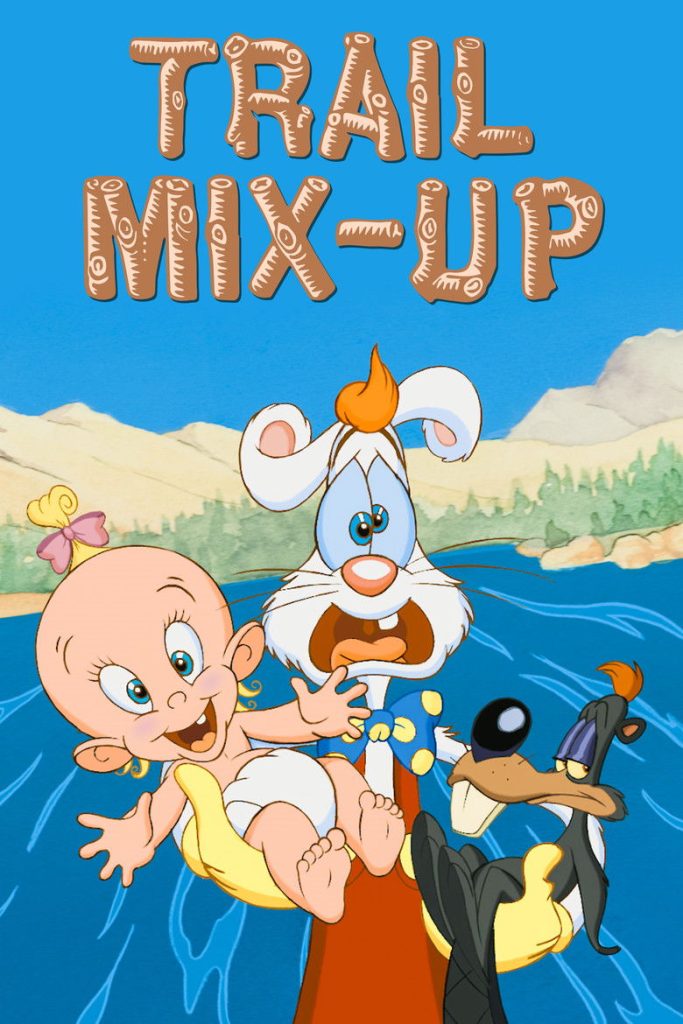
Story overview
Trail Mix-Up is a short animated comedy from 1993 featuring Roger Rabbit and Baby Herman. During a picnic outing, Baby Herman wanders off after a beaver, leading him into a dangerous sawmill environment. Roger Rabbit frantically chases after him to ensure his safety in this brief, fast-paced adventure.
Parent Guide
A brief animated adventure with mild cartoon peril and slapstick humor suitable for most children.
Content breakdown
Cartoon-style peril with characters in a sawmill setting; exaggerated physical comedy and chase sequences typical of animation
Mild tension from dangerous setting and chase; nothing graphic or realistically frightening
No concerning language noted in G-rated content
No sexual content or nudity
No substance use depicted
Brief moments of tension during chase scenes; overall lighthearted tone
Parent tips
This 8-minute animated short is rated G and features classic cartoon-style peril and slapstick humor. The main concerns involve Baby Herman wandering into a sawmill setting, which creates tension as Roger Rabbit tries to rescue him. The animation style is similar to other Roger Rabbit adventures with exaggerated physical comedy and mild suspense.
Parents should note that while the content is generally mild, the sawmill setting might be momentarily intense for very young viewers. The cartoon violence is typical of the genre, with characters in perilous situations that are quickly resolved through comedic means. The short runtime makes it easy to watch and discuss with children.
Parent chat guide
For younger viewers, focus on the friendship between characters and how Roger Rabbit shows care and responsibility. For older children, you might discuss the cartoon physics and how the animation creates humor from tense situations. The short format allows for quick conversations about safety and helping others.
Parent follow-up questions
- What was your favorite part of the cartoon?
- How did Roger Rabbit help Baby Herman?
- Why is it important to stay close to grown-ups?
- What sounds did you hear in the sawmill?
- How did the characters show they were friends?
- What made the sawmill a dangerous place?
- How did Roger Rabbit show he was responsible?
- What would you do if you saw someone wandering into a dangerous area?
- How did the animation make the chase exciting?
- What lesson might Baby Herman learn from this adventure?
- How does the cartoon use exaggeration for comedic effect?
- What safety precautions could have prevented the dangerous situation?
- How does the short film build tension and then resolve it?
- What character traits does Roger Rabbit demonstrate?
- How does the animation style contribute to the storytelling?
- How does this short film fit into the larger Roger Rabbit universe?
- What filmmaking techniques create the cartoon's sense of peril and comedy?
- How might different age groups interpret the safety messages differently?
- What historical context might influence this 1993 animation?
- How does the short format affect character development and storytelling?
🎭 Story Kernel
At its core, 'Trail Mix-Up' explores the absurdity of control versus chaos through the lens of Bugs Bunny's vacation. The driving force isn't a traditional antagonist but the relentless, unpredictable environment itself—a forest that seems actively hostile. Bugs' calm, almost bored demeanor contrasts with the escalating pandemonium, suggesting that true agency lies in how one navigates inevitable disorder. The ranger's futile attempts to enforce rules highlight the film's theme: nature (and by extension, life) cannot be managed by a guidebook. It's a seven-minute meditation on surrendering to the ride, where every attempt to impose order only fuels more spectacular, cartoonish disaster.
🎬 Visual Aesthetics
The visual language is pure, kinetic Chuck Jones: sharp, angular lines define the forest, making trees and rocks look like booby-trapped contraptions. The color palette is surprisingly lush for a desert-set short—vibrant greens and browns create a deceptively serene backdrop that makes the sudden, violent gags pop. Camera work is dynamic, often adopting Bugs' low-angle perspective to emphasize the towering, oppressive nature of his surroundings. The action style is a masterclass in cause-and-effect physics; every movement is exaggerated but follows a brutal, logical chain reaction. Symbolism is direct: the ranger's pristine uniform and rulebook are visually dismantled piece by piece, a literal unraveling of authority.
🔍 Details & Easter Eggs
💡 Behind the Scenes
This 1993 short was part of a series produced for 'Merrie Melodies Starring Bugs Bunny & Friends.' It was directed by Barry Caldwell, not Chuck Jones, but heavily mimics Jones' style. The forest backdrop was reused and redressed from earlier shorts to save budget. Voice actor Jeff Bergman performed both Bugs and the Ranger, using distinct microphones to create slight audio separation. The short was originally conceived as a theatrical featurette but found most of its audience through Saturday morning cartoon blocks and later VHS compilations.
Where to watch
Choose region:
- Disney Plus