
Trail of the Panda (2009)
Story overview
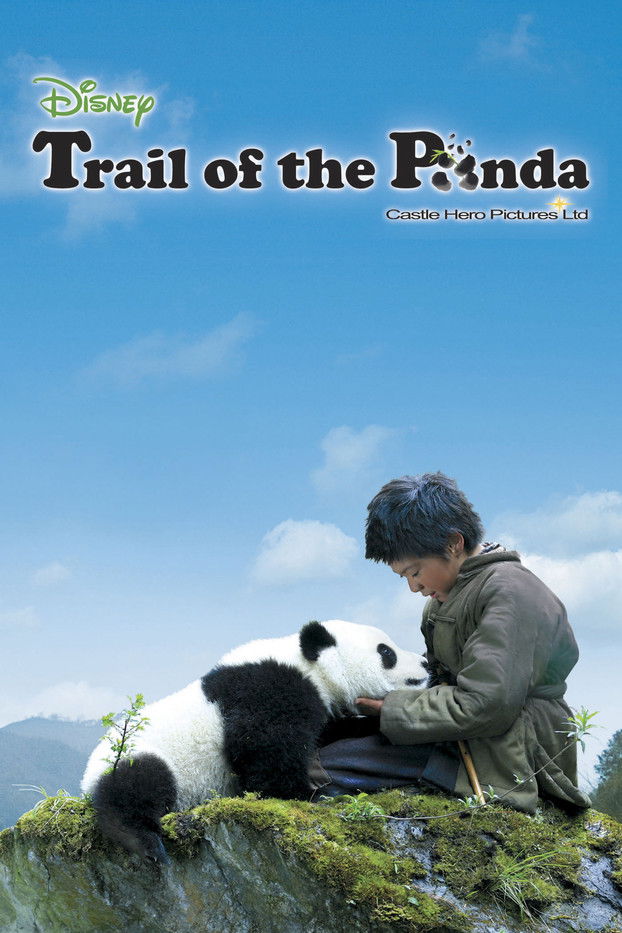
Trail of the Panda is a gentle family film that follows the bond between a young boy and a panda cub. Set in China's natural landscapes, it explores themes of friendship, compassion, and connection with nature. The story emphasizes kindness and understanding between humans and animals in a heartwarming adventure suitable for children.
Parent Guide
A gentle, family-friendly film about friendship between a boy and a panda cub with positive messages and minimal concerning content.
Content breakdown
Some mild peril as characters face natural challenges, but no violence or aggression.
No scary or disturbing content; all situations are resolved positively.
No offensive or inappropriate language.
No sexual content or nudity.
No substance use depicted.
Mild emotional moments related to friendship and caring, but generally uplifting tone.
Parent tips
This film is an excellent choice for family viewing with its G rating and positive messages about friendship and nature. Parents should note that while there are no concerning content elements, younger children might find mild peril scenes involving the panda's safety emotionally engaging. The movie provides opportunities to discuss wildlife conservation and empathy toward animals in an age-appropriate way.
Parent chat guide
Parent follow-up questions
- What was your favorite part with the panda?
- How do you think the boy felt when he found the panda?
- What would you do if you found a baby animal?
- How can we be kind to animals?
- What makes someone a good friend?
- Why do you think the boy and panda became friends?
- What challenges did they face together?
- How did the characters show they cared about each other?
- What did you learn about pandas from this movie?
- How can people help protect animals in nature?
- What does this film show about human-animal relationships?
- How did the setting (nature/environment) affect the story?
- What qualities made their friendship special?
- What responsibilities come with caring for wild animals?
- How does this story connect to real conservation efforts?
- What cultural perspectives on nature might this Chinese film present?
- How does the film balance entertainment with educational elements about wildlife?
- What ethical questions about human interaction with wild animals does it raise?
- How effective is the film in conveying its themes without dialogue-heavy scenes?
- What film techniques help create the emotional connection between characters?
🎭 Story Kernel
At its core, 'Trail of the Panda' explores the tension between human connection and natural instinct. The film isn't just about rescuing an animal—it's about what we lose when we domesticate the wild. Lu's journey with the panda cub reveals how childhood innocence can bridge species barriers, but the film's resolution (returning the panda to its mother) acknowledges that some bonds must remain temporary. The real conflict isn't between humans and nature, but between our desire to possess and our responsibility to release. The panda becomes a mirror for Lu's own orphaned state, making their separation the film's most authentic emotional beat.
🎬 Visual Aesthetics
The cinematography employs a grounded, observational style—rare for animal films—that avoids anthropomorphizing the panda through cutesy close-ups. Instead, wide shots emphasize the animal's vulnerability within the vast Sichuan landscape. The color palette shifts subtly: early scenes in the village carry warm, earthy tones, while the mountain sequences adopt cooler blues and grays, visually reinforcing the panda's natural habitat. Most striking is the restraint in action sequences; the rescue scenes feel tactile and unglamorized, with handheld shots that make the physical struggle feel genuine rather than cinematic.
🔍 Details & Easter Eggs
💡 Behind the Scenes
The panda cub was played by a young male panda named Jingjing, who was actually older than he appeared—trained for months to behave like a younger cub. Filming in the Wolong Nature Reserve required extreme patience; scenes with the pandas were limited to short takes due to the animals' low energy cycles. Actor Daichi Harashima (Lu) learned basic Mandarin for the role but spoke primarily Japanese on set, with his lines dubbed in post-production—a common practice in China's cross-cultural productions.
Where to watch
Choose region:
- Disney Plus
- Amazon Video
- Apple TV
- Google Play Movies
- YouTube
- Fandango At Home
Trailer
Trailer playback is unavailable in your region.