
Train to Busan (2016)
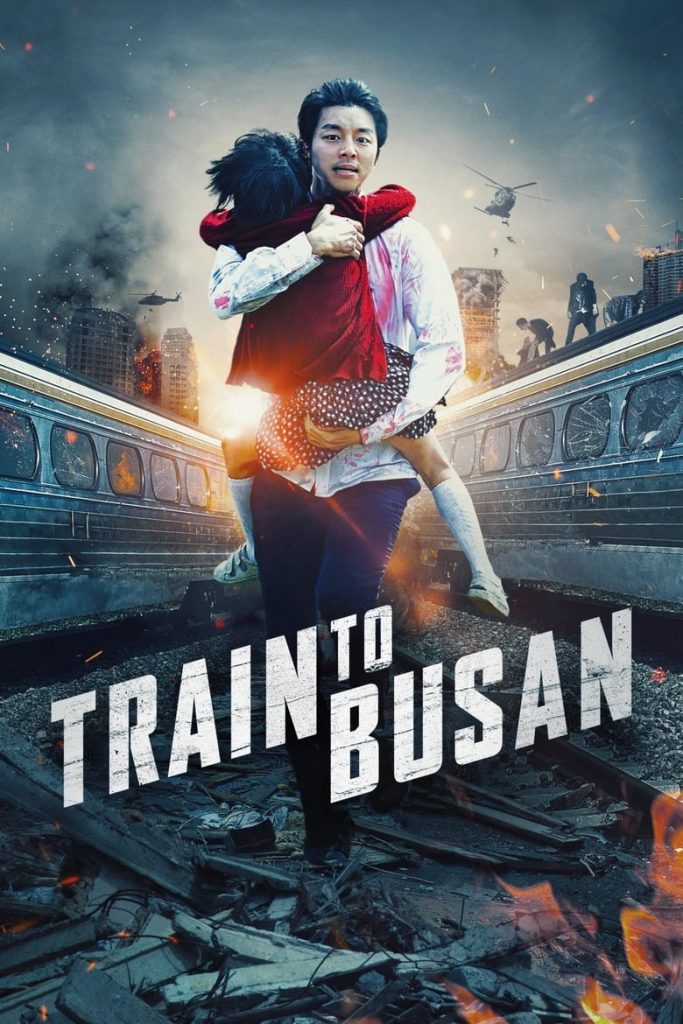
Story overview
Train to Busan is a 2016 South Korean horror-thriller film that follows passengers on a high-speed train during a sudden zombie outbreak. As the infection spreads rapidly through the confined train cars, survivors must work together to reach safety while facing terrifying threats from both the undead and desperate fellow passengers. The film combines intense action sequences with emotional character drama as people fight for survival in a claustrophobic environment.
Parent Guide
Intense zombie horror film with graphic violence and sustained tension; best for mature teens.
Content breakdown
Frequent zombie attacks with biting, blood, and graphic injuries; characters in constant peril; some human-on-human violence in desperate situations.
Zombie horror with jump scares, grotesque makeup effects, claustrophobic settings, and emotional character deaths.
Occasional strong language in tense situations; not excessive but present during moments of crisis.
No sexual content or nudity present in the film.
No substance use depicted in the film.
High emotional stakes with themes of sacrifice, loss, and survival; characters face life-or-death decisions throughout.
Parent tips
This film features intense zombie violence and horror elements that may be too frightening for younger viewers. The confined train setting creates a claustrophobic atmosphere with frequent jump scares and graphic depictions of zombie attacks. Parents should be aware that the film includes scenes of emotional distress, character deaths, and high-stakes peril throughout.
Consider your child's sensitivity to horror elements before viewing, as the zombie violence is graphic and sustained. The film explores themes of sacrifice, family bonds, and social responsibility amidst crisis, which could prompt meaningful discussions with older teens about human behavior under extreme pressure.
Parent chat guide
For younger viewers who may have found it frightening, reassure them about the difference between movies and reality. Discuss the special effects used to create the zombies and how filmmakers use music, lighting, and editing to build suspense. Highlight the positive themes of teamwork and sacrifice that emerge despite the frightening situation.
Parent follow-up questions
- What was your favorite part of the movie?
- How did the people on the train help each other?
- What makes a good friend when things get scary?
- Can you draw a picture of the train?
- What would you do if you saw someone who needed help?
- Which character showed the most bravery and why?
- How did working together help the survivors?
- What would you have done differently if you were on that train?
- Why do you think some people helped others while some didn't?
- What did you learn about being a good leader from this movie?
- What moral choices did characters face during the crisis?
- How did the confined space of the train affect people's decisions?
- What does this movie say about human nature in extreme situations?
- Which relationships between characters felt most meaningful and why?
- How did the filmmakers create tension and fear without showing everything?
- How does the film use the zombie outbreak to comment on social issues?
- What ethical dilemmas did characters face that made you think?
- How did different characters' priorities change throughout the crisis?
- What cinematic techniques made the horror elements effective?
- How does this film compare to other zombie or disaster movies in its approach to human behavior?
🎭 Story Kernel
At its core, 'Train to Busan' is a brutal critique of Korean corporate culture and societal selfishness disguised as a zombie thriller. The real infection isn't the virus—it's the survivalist mentality that makes people sacrifice others. Seok-woo's journey from detached fund manager to self-sacrificing father mirrors Korea's struggle between individual success and collective responsibility. Every character represents a different response to crisis: the selfish CEO, the selfless husband, the pragmatic high schoolers. The film asks whether humanity survives through individual cunning or communal sacrifice, with the train becoming a microcosm of a society deciding what values are worth preserving.
🎬 Visual Aesthetics
Director Yeon Sang-ho employs claustrophobic, handheld camerawork that makes the train feel like a moving coffin. The color palette shifts from sterile corporate blues in Seoul to the warm, hopeful oranges of Busan. Zombie movements are deliberately jerky and unnatural, contrasting with the fluid, desperate human struggles. Notice how the camera often stays at waist-level during attacks, forcing viewers into the chaos rather than observing safely. The train windows serve as both barriers and viewing screens—we watch the apocalypse unfold like commuters watching passing scenery, until the danger shatters the glass and our detachment.
🔍 Details & Easter Eggs
💡 Behind the Scenes
The train scenes were filmed on actual moving KTX trains during overnight hours when service stopped. Gong Yoo (Seok-woo) performed most of his own stunts, including the dramatic roof-running sequence. Ma Dong-seok (Sang-hwa) actually broke a real train window during filming—the shocked reaction in that scene is genuine. The child actress Kim Su-an (Soo-ann) was only 10 during filming but delivered emotional scenes in single takes. Director Yeon previously made animated films, which explains the precise, storyboard-like composition of action sequences.
Where to watch
Choose region:
- Netflix
- Netflix Standard with Ads
- Hi-YAH Amazon Channel
- Amazon Video
- Apple TV
- Google Play Movies
- YouTube
- Fandango At Home
Trailer
Trailer playback is unavailable in your region.