Transmitzvah (2024)
Story overview
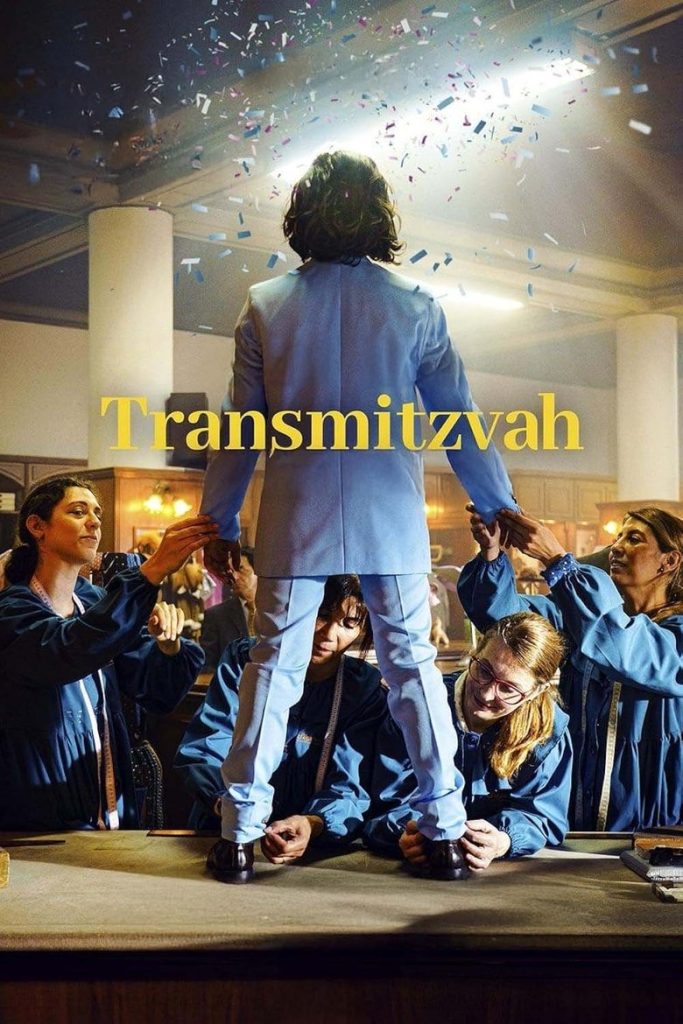
Transmitzvah is a 2024 Argentine drama-comedy directed by Daniel Burman. The film follows Rubén, who rejects her traditional Bar Mitzvah after embracing her female identity. Years later, after a personal tragedy, she returns as Mumy Singer to celebrate this Jewish coming-of-age ritual in her own authentic way. The story explores themes of identity, family, tradition, and personal transformation with both heartfelt drama and comedic moments.
Parent Guide
A thoughtful drama-comedy about identity and tradition with minimal concerning content but significant emotional themes. Best for mature children who can engage with discussions about gender identity and family dynamics.
Content breakdown
No physical violence. There's emotional tension and references to past tragedy (implied death of a family member), but nothing graphic or intense.
Some emotional scenes dealing with rejection, grief, and family conflict. The film handles these themes sensitively without being frightening.
No strong language noted. The Spanish dialogue appears to be family-appropriate based on the film's themes and context.
No sexual content or nudity. The film focuses on identity and relationships rather than romance or physical intimacy.
No depiction of alcohol, drugs, or tobacco use shown in the context provided.
Significant emotional themes around identity acceptance, family expectations, grief, and personal transformation. The comedic elements provide balance, but the core themes are emotionally substantial.
Parent tips
This film deals with transgender identity and religious tradition in a thoughtful, character-driven way. While there's no explicit content, the emotional themes may require explanation for younger viewers. The comedic elements balance the serious subject matter, making it accessible for mature children who can handle discussions about identity and family expectations. The Argentine cultural context provides an opportunity to discuss different traditions and perspectives.
Parent chat guide
Parent follow-up questions
- What was your favorite part of the movie?
- How did the characters show they cared about each other?
- What colors or music did you like best?
- What does it mean to 'be yourself'?
- Why was the Bar Mitzvah important to Mumy?
- How did the characters help each other in the story?
- What challenges did Mumy face in being true to herself?
- How do traditions sometimes need to change to include everyone?
- What did you learn about Jewish coming-of-age ceremonies?
- How does the film portray the intersection of gender identity and religious tradition?
- What does the film suggest about the timing of personal milestones?
- How do cultural expectations influence personal identity formation?
🎭 Story Kernel
The film explores the intersection of gender identity and religious tradition through Mumy Singer, a trans woman returning to her roots in the Jewish community of Buenos Aires. Burman deconstructs the rigid structures of the Bar Mitzvah, transforming it into a Transmitzvah—a rite of passage that honors both her heritage and her transition. It is a story about the elasticity of faith and the necessity of being seen by one’s family. The narrative moves beyond the typical coming-out trope, focusing instead on the reconciliation of a fragmented past. By revisiting the Once district, Burman examines how cultural rituals can evolve to accommodate the truth of the individual, suggesting that tradition is not a cage, but a language that can be rewritten to express new forms of love and self-actualization. The core theme is the reclamation of spiritual space.
🎬 Visual Aesthetics
Burman utilizes the vibrant, textured backdrop of Buenos Aires' Once neighborhood to create a sense of lived-in history. The cinematography often contrasts the glittering, performative world of Mumy’s career in Spain with the earthy, cluttered, and nostalgic atmosphere of her family home. There is a specific focus on the materiality of Jewish life—the fabrics, the religious artifacts, and the architecture of the synagogue—which serves as a visual anchor for Mumy’s identity. The lighting often shifts from the harsh reality of familial tension to a warmer, more ethereal glow during moments of musical expression or spiritual connection. Symbolism is found in the recurring motif of mirrors and reflections, highlighting the duality of Mumy’s journey as she reconciles her childhood self with the woman she has become, effectively painting a visual portrait of internal and external transformation.
🔍 Details & Easter Eggs
💡 Behind the Scenes
Daniel Burman is a central figure in the New Argentine Cinema and has frequently explored Jewish identity in films like Lost Embrace. Transmitzvah marks his return to these themes after a period of diverse projects. The film features Spanish actress Penélope Guerrero in the lead role, bringing an authentic perspective to the character. It premiered at the 2024 Cannes Film Festival in the Cinema de la Plage / Special Screenings section, receiving attention for its unique blend of musical elements, comedy, and drama. The production highlights Burman's ongoing collaboration with actor Juan Minujín, a staple of contemporary Argentine cinema.
Where to watch
Choose region:
- Netflix
- Netflix Standard with Ads