
Trial by Fire (2019)
Story overview
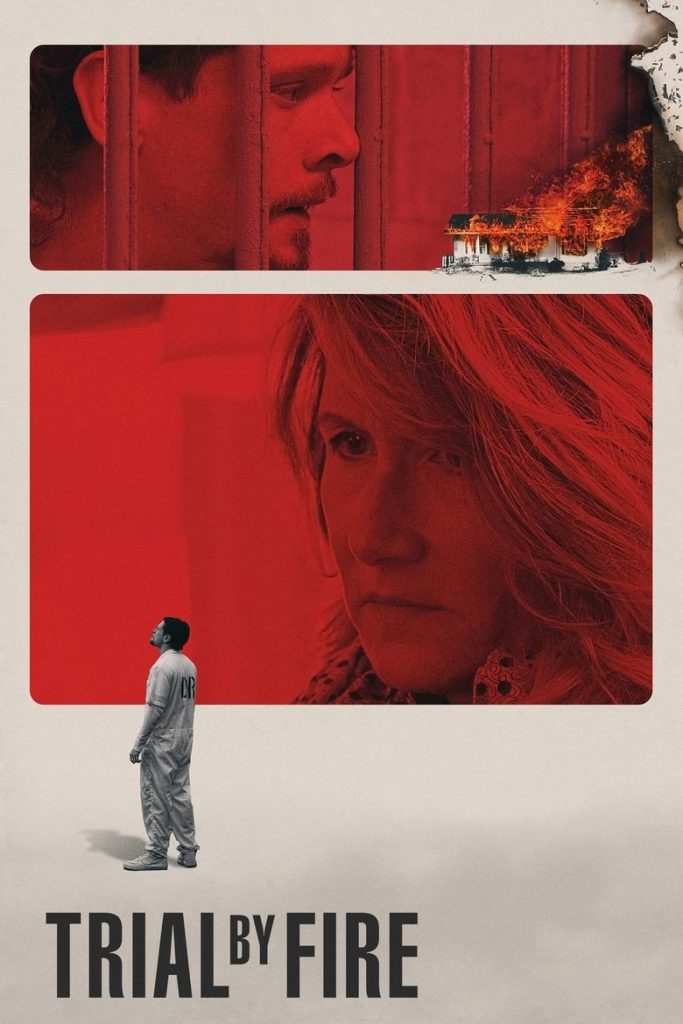
Trial by Fire is a 2019 drama-crime film rated R. It explores themes of justice and personal struggle within a legal context. The story likely follows characters navigating complex moral dilemmas in a high-stakes situation. As a crime drama, it may involve courtroom scenes, investigations, or consequences of unlawful actions.
Parent Guide
This R-rated drama-crime film contains mature themes requiring parental guidance for viewers under 17.
Content breakdown
Crime dramas typically involve some violence, though specifics are unknown. May include perilous situations related to criminal activity.
Themes of crime and justice may involve disturbing situations or emotional intensity.
R rating suggests potentially strong language, though specific content is unknown.
Unknown specifics, but drama-crime films may contain mild romantic elements.
May include social drinking or background substance use typical in adult dramas.
Legal and crime themes likely create tense, emotionally charged situations.
Parent tips
This R-rated drama-crime film contains mature content that requires parental guidance. Given the R rating and crime genre, expect themes of violence, strong language, and intense emotional situations. Parents should preview the film or research specific content before deciding if it's appropriate for their family. The serious subject matter may be challenging for younger viewers.
Parent chat guide
Parent follow-up questions
- What did you think about the people in the movie?
- How did the characters feel when things were hard?
- What does it mean to be fair to others?
- What choices did the characters have to make?
- How did the characters show they cared about justice?
- What would you do if you saw someone being treated unfairly?
- What different perspectives did the characters have about justice?
- How did the legal system affect the characters' lives?
- What makes a decision right or wrong in difficult situations?
- How does the film explore the concept of justice?
- What societal issues does the crime drama highlight?
- How do personal biases affect legal outcomes in the story?
🎭 Story Kernel
The film's core is a searing indictment of systemic failure, using Cameron Todd Willingham's case as a scalpel to dissect how confirmation bias, junk science, and political expediency conspire to execute an innocent man. It's not just about wrongful conviction, but about the mechanisms of denial that allow a state to murder its citizen while ignoring exculpatory evidence. The driving force isn't a quest for legal victory—it's Elizabeth Gilbert's moral awakening against a bureaucracy designed to resist truth. The tragedy unfolds through her realization that facts matter less than narrative in the court of public opinion and political survival.
🎬 Visual Aesthetics
Director Edward Zwick employs a desaturated, gritty palette for the Texas sequences, mirroring the emotional and literal prison of Willingham's existence. The camera often feels like a trapped observer in cramped prison visiting rooms and claustrophobic court chambers. Flashbacks to the fire are shot with chaotic, handheld urgency, contrasting sharply with the cold, static compositions of the legal proceedings. Most powerfully, the recurring visual motif of fire transforms—from destructive force to metaphorical purgatory to the burning injustice Willingham endures. The final execution scene's clinical sterility becomes more horrifying than any graphic violence could be.
🔍 Details & Easter Eggs
💡 Behind the Scenes
Based on David Grann's devastating New Yorker article, the film faced challenges securing funding due to its politically charged subject. Jack O'Connell prepared by studying hours of prison interview footage and spending time in isolation to understand Willingham's mental state. Laura Dern met extensively with real-life advocate Elizabeth Gilbert. The courtroom scenes were shot in an actual Texas courthouse, adding authentic texture. Notably, Texas officials declined to participate or provide filming access to state facilities, forcing production to recreate execution chambers and prisons in Georgia.
Where to watch
Choose region:
- Netflix
- Netflix Standard with Ads
- Amazon Video
- Apple TV
- Google Play Movies
- YouTube
- Fandango At Home
Trailer
Trailer playback is unavailable in your region.