
Tribhanga (2021)
Story overview
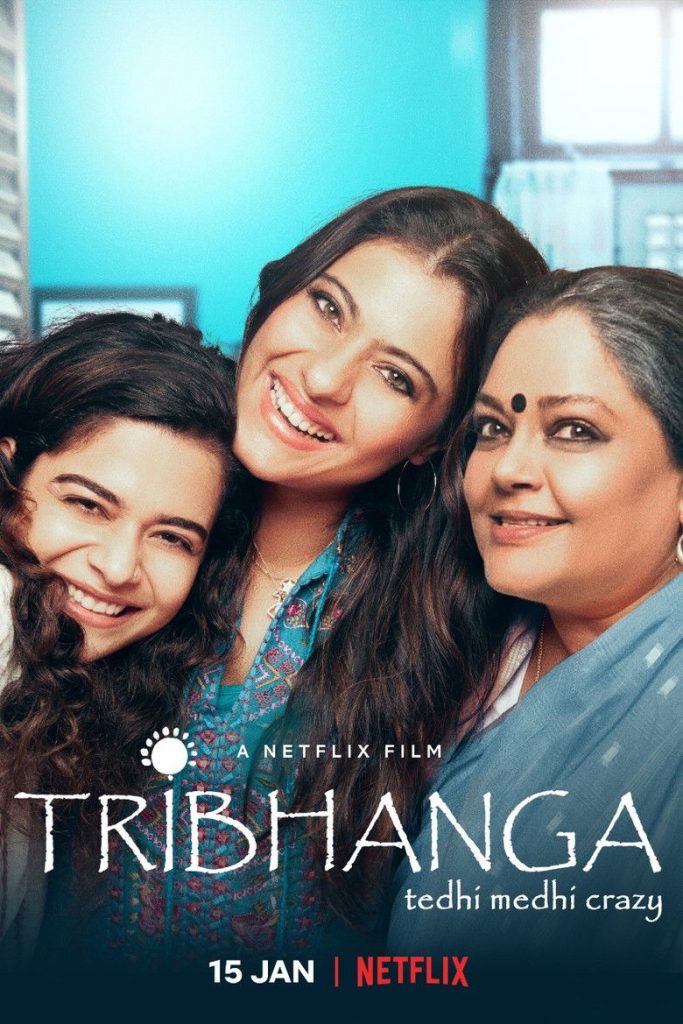
Tribhanga is a 2021 Indian family drama film that explores complex relationships across three generations of women in a family. The story delves into themes of motherhood, personal choices, and the emotional bonds that both connect and divide family members. Through its narrative, the film examines how past decisions continue to shape present relationships and individual identities within a family structure.
Parent Guide
A family drama exploring complex intergenerational relationships with mature themes suitable for older teens and adults.
Content breakdown
Emotional conflicts and tense family situations without physical violence.
Emotional intensity and family conflicts that may be distressing to sensitive viewers.
General conversational language without strong profanity.
References to relationships and romance without explicit content.
No notable substance use depicted.
Strong emotional themes around family conflict, forgiveness, and personal identity.
Parent tips
This film deals with mature family themes including generational conflict, personal sacrifice, and emotional trauma that may be difficult for younger viewers to understand. The TV-MA rating suggests content suitable for mature audiences, so parents should preview the film or watch it with their children to provide context and support. The emotional intensity of family dynamics portrayed could prompt important conversations about forgiveness, understanding, and the complexities of parent-child relationships.
Parent chat guide
Parent follow-up questions
- What makes a family special?
- How do family members show they care about each other?
- What are some nice things families do together?
- How do you feel when you spend time with family?
- What does it mean to be kind to family members?
- Why do you think family relationships can be complicated sometimes?
- How do people in families show love in different ways?
- What does it mean to forgive someone in your family?
- How can family members support each other during difficult times?
- What makes each person in a family unique and special?
- How do past experiences shape how family members relate to each other?
- What are some ways families can work through misunderstandings?
- How do cultural expectations sometimes affect family relationships?
- What does it mean to balance personal dreams with family responsibilities?
- How can communication improve relationships between generations?
- How do societal expectations influence family dynamics across generations?
- What role does forgiveness play in healing family relationships?
- How do personal traumas affect how people parent their own children?
- What does it mean to break negative family patterns?
- How can individuals maintain their identity while honoring family connections?
🎭 Story Kernel
At its core, 'Tribhanga' explores how inherited trauma manifests across generations through the lens of artistic expression and personal freedom. The film isn't about motherhood as a singular experience but about how each woman's rebellion against societal expectations creates new wounds for the next generation. Nayantara's writing career becomes her escape from traditional motherhood, Anu's dance becomes her rebellion against her mother's neglect, and Masha's modern independence becomes her defense against both. The driving force isn't love but survival—each woman fighting to define herself against what came before, creating a cycle where every attempt at freedom becomes another's constraint.
🎬 Visual Aesthetics
The film's visual language mirrors its thematic complexity through deliberate framing and color symbolism. Scenes transition between warm, saturated tones during artistic performances and cold, clinical blues in hospital settings, visually separating creative freedom from life's harsh realities. Camera movements during dance sequences are fluid and intimate, often using close-ups on hands and feet to emphasize the physicality of expression, while family confrontations employ static shots that trap characters within the frame. The recurring motif of windows and doorways—characters constantly framed within thresholds—visually represents their perpetual state of transition between past and present, confinement and freedom.
🔍 Details & Easter Eggs
💡 Behind the Scenes
Director Renuka Shahane drew from her own experiences in Indian classical dance and theater to create authentic performance sequences. Kajol, Tanvi Azmi, and Mithila Palkar underwent weeks of dance training with Kathak experts to perform their own sequences rather than using body doubles. The hospital scenes were shot in a functioning Mumbai hospital during limited night hours, creating the authentic sterile atmosphere. Interestingly, the three lead actors come from different generations of Indian cinema themselves, mirroring their characters' generational dynamics.
Where to watch
Choose region:
- Netflix
- Netflix Standard with Ads