
True Justice: Bryan Stevenson’s Fight for Equality (2019)
Story overview
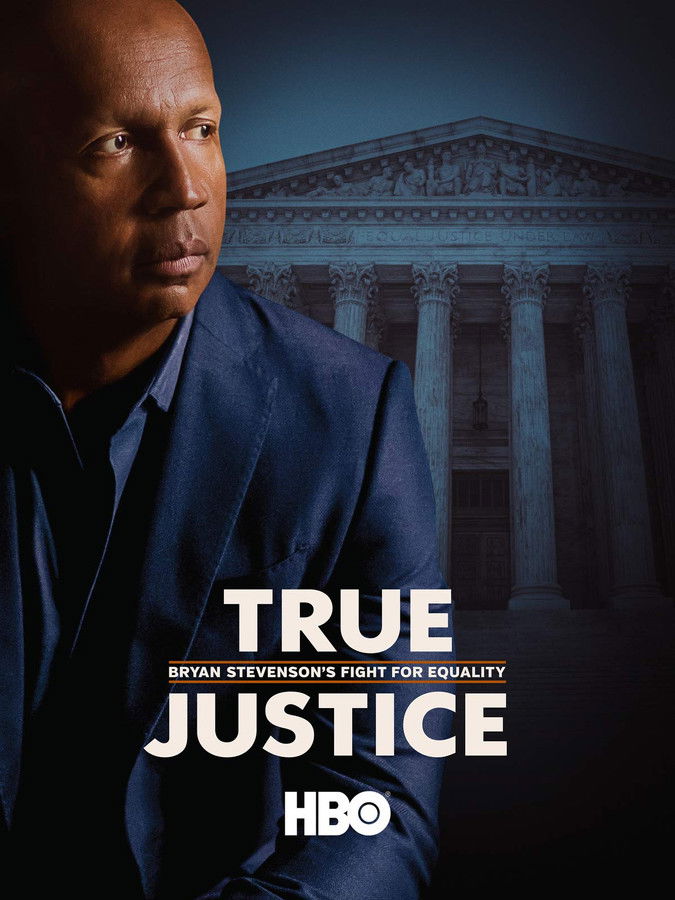
This documentary follows Bryan Stevenson, a lawyer who fights for justice for poor and wrongly convicted people, especially those affected by racial bias in courts. It shows his work helping people in prison and trying to make the legal system fairer.
Parent Guide
A serious documentary about racial injustice in the legal system, best for teens and adults. It deals with mature themes but has no graphic violence or explicit content.
Content breakdown
Discussions of violence in the context of criminal cases and the death penalty, but no visual depictions of violence.
Themes of wrongful imprisonment, racial discrimination, and the death penalty may be disturbing, especially for sensitive viewers.
Occasional mild language related to legal discussions, no strong profanity.
No sexual content or nudity.
No depiction of substance use.
High emotional intensity due to discussions of injustice, racism, and the impact on individuals and families.
Parent tips
Watch with kids 13+ to discuss tough topics like racism and unfair treatment in court. Be ready to talk about why some people are treated differently because of their skin color. The movie might make kids sad or angry about injustice, so help them understand how to make positive changes.
Parent chat guide
Parent follow-up questions
—
- What does it mean to be fair to everyone?
- How do you think Bryan helps people?
- Why do you think some people are treated unfairly in court?
- What can we do to make sure everyone is treated equally?
- How does racial bias affect the criminal justice system?
- What are some ways to support organizations like Bryan's?
🎭 Story Kernel
The film isn't really about Bryan Stevenson's legal victories—it's about exposing how America's justice system weaponizes bureaucracy, indifference, and procedural cruelty to perpetuate racial oppression. Stevenson's fight isn't against individual racists, but against systems designed to make injustice look like due process. The driving force isn't heroism, but relentless documentation: each case file becomes evidence against the system itself. The film argues that true justice requires dismantling the machinery that treats Black lives as disposable, revealing how legal technicalities often serve as sophisticated tools for maintaining white supremacy.
🎬 Visual Aesthetics
The cinematography employs a stark, documentary-like realism with deliberate visual contrasts: the sterile, fluorescent-lit courtrooms versus the visceral, sun-baked prison yards. Camera movements are often static during legal proceedings, emphasizing institutional rigidity, then become handheld and intimate during prison visits, creating emotional immediacy. The color palette shifts from cold blues and grays in government buildings to warmer, earthier tones in community scenes. Symbolically, repeated shots of barred windows and layered fences visually reinforce how the system traps people both physically and bureaucratically.
🔍 Details & Easter Eggs
💡 Behind the Scenes
Michael B. Jordan spent months visiting actual death row inmates and shadowing public defenders to prepare. Several scenes were filmed at actual Alabama locations mentioned in Stevenson's work, including the Monroe County Courthouse. The production consulted extensively with the Equal Justice Initiative, and real case files (with identifiers removed) appear as props. Director Destin Daniel Cretton insisted on casting formerly incarcerated individuals in background roles, particularly in prison scenes.
Where to watch
Choose region:
- HBO Max
- HBO Max Amazon Channel
- Amazon Video
- Apple TV Store
- Google Play Movies
- YouTube
- Fandango At Home