
Tulip Fever (2017)
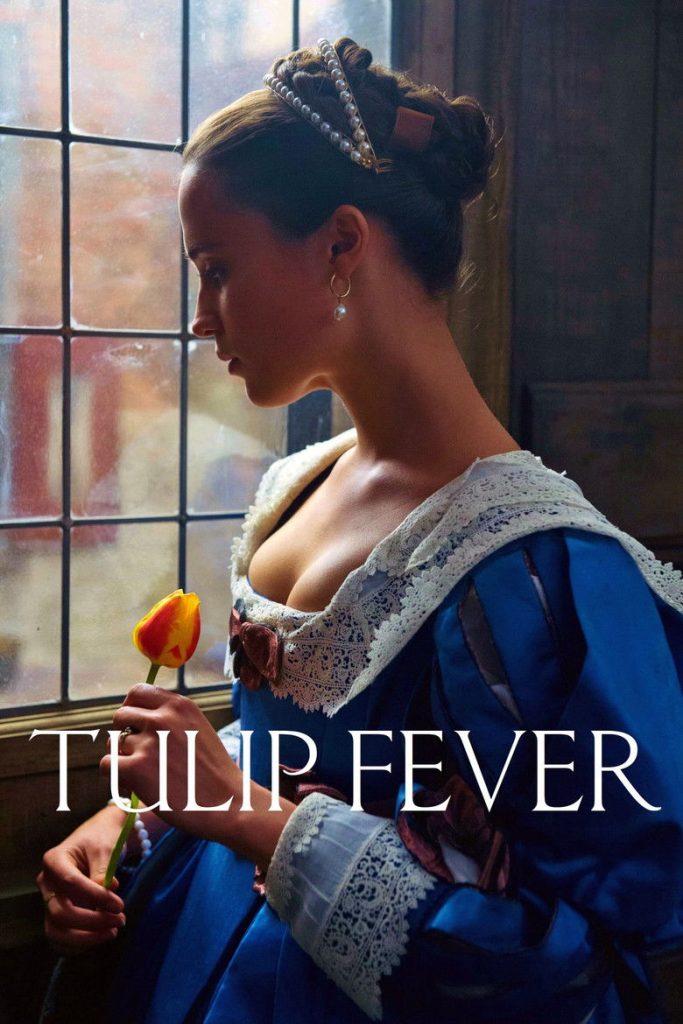
Story overview
Set in 17th-century Amsterdam during the tulip mania, this historical drama follows a young married woman, Sophia, who enters into a passionate affair with Jan, the artist commissioned to paint her portrait. As their forbidden romance intensifies, they become entangled in the speculative tulip market, risking everything for a chance at freedom and love together. The film explores themes of desire, betrayal, social constraints, and economic obsession against a richly detailed period backdrop.
Parent Guide
R-rated historical drama with mature themes including explicit sexual content, adultery, and some violence. Not suitable for children. Recommended for mature viewers 16+ who can handle complex moral situations and period drama conventions.
Content breakdown
A character is beaten by thugs (blood shown, brief but intense); a childbirth scene with distress and blood; characters face peril from economic ruin and social consequences; some tense confrontations.
Some tense moments related to deception being discovered; the beating scene may be disturbing; themes of betrayal and desperation could be emotionally challenging for sensitive viewers.
Occasional mild profanity ('damn,' 'hell'); period-appropriate dialogue without strong modern profanity.
Multiple explicit sexual scenes with nudity (breasts, buttocks, simulated sex); passionate kissing; themes of adultery and sexual desire are central to the plot; a scene in a brothel with suggestive content.
Social drinking of alcohol in period settings; characters drink wine at meals and in social situations; no drunkenness or substance abuse depicted.
High emotional stakes involving forbidden love, betrayal, and financial desperation; characters experience intense passion, guilt, and anxiety; the ending involves significant emotional consequences.
Parent tips
This R-rated period drama contains mature themes including adultery, sexual situations, and some violence. Best suited for mature teens and adults. Parents should be aware of: 1) Several explicit sexual scenes with nudity, 2) Depictions of marital infidelity and deception, 3) Some violence including a character being beaten and a childbirth scene, 4) Brief substance use (alcohol), 5) Complex moral dilemmas that may require discussion with older teens.
Parent chat guide
Parent follow-up questions
—
—
- What did you notice about how people dressed differently in the 1600s?
- Why were tulips so valuable in this story?
- What makes a painting special or valuable?
- How does the film portray the limited options available to women in 17th-century society?
- What ethical dilemmas do the main characters face, and how do they justify their choices?
- How does the tulip market speculation parallel modern economic bubbles?
- What commentary does the film make about the relationship between art, truth, and deception?
- How do different characters define love and commitment throughout the story?
🎭 Story Kernel
At its core, 'Tulip Fever' is less about forbidden romance and more about transactional desire in a mercantile society. The film expresses how every relationship—marriage, affair, patronage—is a contract where passion, security, and social climbing are currencies. Sophia and Jan's affair isn't driven by pure love, but by mutual escape: she from a sterile marriage to an older man, he from poverty. Their scheme to fake her pregnancy and profit from tulip bulbs reveals their true motivation: using the speculative market to buy freedom. Even Cornelis, the cuckolded husband, seeks transaction—an heir—more than companionship. The characters are ultimately driven by what they can acquire, making the tulip mania a perfect metaphor for their emotional gambles.
🎬 Visual Aesthetics
The film's visual language meticulously recreates 17th-century Dutch paintings, but with a sterile, wax-museum quality that mirrors its emotional emptiness. Director Justin Chadwick uses a muted, earthy color palette—ochres, browns, deep greens—punctuated by the vibrant reds of tulips and Sophia's dresses, symbolizing forbidden passion against a rigid society. Camera work is often static and composed like a Vermeer, emphasizing confinement. The bustling Amsterdam streets feel like curated dioramas. This aesthetic beauty is intentional: it creates a world so visually perfect it becomes suffocating, reflecting the characters' gilded cages. The contrast between warm interior candlelight and cold, gray exteriors visually underscores the tension between private desire and public propriety.
🔍 Details & Easter Eggs
💡 Behind the Scenes
The film's notoriously troubled production included extensive reshoots and a three-year delay from its original 2015 release date, partly due to test audiences finding the original ending too bleak. Alicia Vikander and Dane DeHaan had to learn basic Dutch for authenticity, though most dialogue remained in English. Many interior scenes were shot at Pinewood Studios, with sets meticulously modeled after Rembrandt's house in Amsterdam. The tulip fields were digitally enhanced, as real tulip blooming schedules didn't align with filming. Interestingly, Christoph Waltz replaced an initially cast actor just weeks before shooting began, adding to the chaotic behind-the-scenes narrative that oddly mirrors the film's themes of precarious deals and last-minute gambles.
Where to watch
Choose region:
- Netflix
- Amazon Video
- Apple TV Store
- Google Play Movies
- YouTube
- Fandango At Home
Trailer
Trailer playback is unavailable in your region.