
Twenty Something (2021)
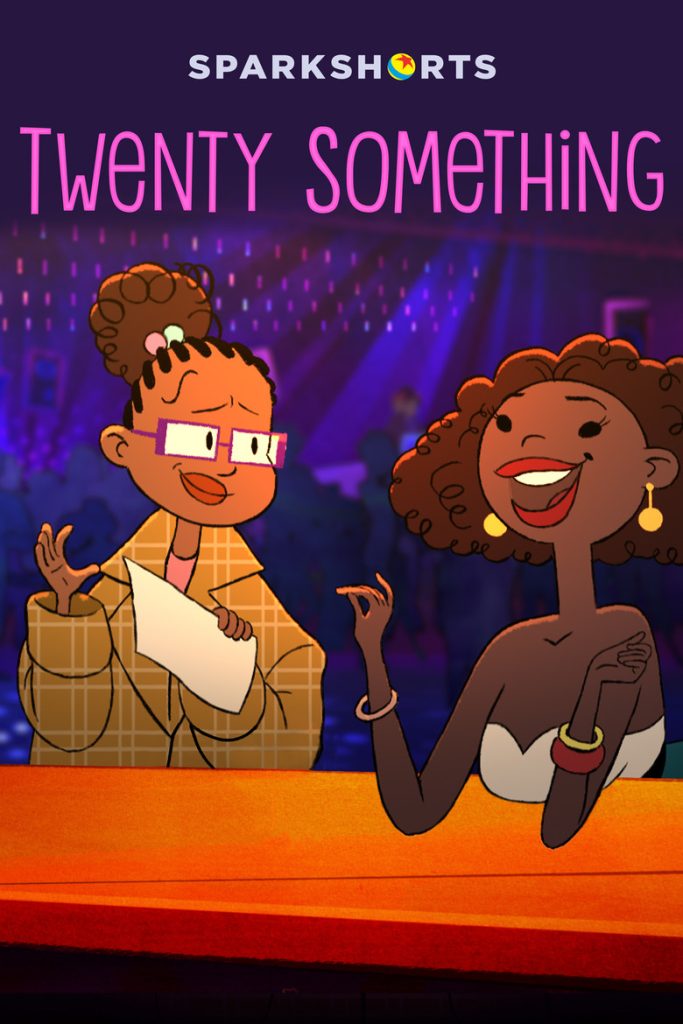
Story overview
This animated short film follows Gia as she navigates the anxieties and responsibilities of becoming an adult on her 21st birthday. Through a blend of comedy and drama, it explores common insecurities young people face when transitioning to independence. The story presents relatable scenarios about growing up in a lighthearted, accessible way.
Parent Guide
A gentle animated short about growing-up anxieties, appropriate for elementary school ages and up.
Content breakdown
No violent or perilous situations present.
Content is lighthearted with no frightening elements.
No concerning language noted in PG rating context.
No sexual content or nudity present.
No depiction of substance use.
Brief moments of anxiety about adulthood, handled gently with humor.
Parent tips
This PG-rated animated short is suitable for most children, focusing on universal themes of growing up and self-doubt. At just 7 minutes long, it's brief enough for younger viewers while addressing topics relevant to older kids and teens. The animation style and comedic elements make potentially stressful 'adulting' scenarios approachable for family viewing.
Parent chat guide
Parent follow-up questions
- What was your favorite part of the cartoon?
- How did Gia feel on her birthday?
- What does it mean to be a grown-up?
- What challenges did Gia face turning 21?
- Have you ever felt nervous about trying something new?
- What helps you feel brave when you're unsure?
- Why do you think 'adulting' can feel overwhelming sometimes?
- What skills help people handle new responsibilities?
- How can friends support each other during changes?
- What societal pressures might make turning 21 stressful?
- How do media portrayals of adulthood compare to reality?
- What healthy coping strategies help manage life transitions?
🎭 Story Kernel
At its core, 'Twenty Something' isn't about finding one's purpose but about the paralysis that comes when every path seems equally valid and equally hollow. The characters aren't driven by grand ambitions but by the fear of being left behind in a world where success is constantly curated and displayed on social media. The film's real tension comes from the quiet realization that their twenties aren't a launching pad but a holding pattern, where decisions feel permanent even as their identities remain fluid. The central conflict isn't between characters but between expectation and reality, between the life they thought they'd have and the one they're actually living.
🎬 Visual Aesthetics
The cinematography masterfully uses shallow depth of field to visually represent the characters' myopic focus on their immediate problems while the world blurs around them. A distinct blue-gray color palette dominates interior scenes, reflecting the cold uncertainty of their transitional lives, while brief outdoor sequences burst with warmer tones they can't quite inhabit. Smartphone screens serve as literal frames within frames, often showing idealized versions of reality that contrast with the actual scene. The camera frequently lingers just a moment too long after conversations end, capturing the awkward silence where unspoken anxieties reside.
🔍 Details & Easter Eggs
💡 Behind the Scenes
The director intentionally cast actors who were actually in their mid-to-late twenties rather than older actors playing younger, wanting genuine uncertainty rather than performed nostalgia. Several key scenes were improvised based on the actors' own quarter-life experiences, particularly the late-night kitchen conversation about career doubts. The apartment set was deliberately designed to feel transient, with mix-matched furniture and unpacked boxes that remained throughout filming to maintain the feeling of temporary living. Most exterior shots were filmed in rapidly gentrifying neighborhoods to visually represent the changing world the characters struggle to navigate.
Where to watch
Choose region:
- Disney Plus
Trailer
Trailer playback is unavailable in your region.