Twist of Faith (2004)
Story overview
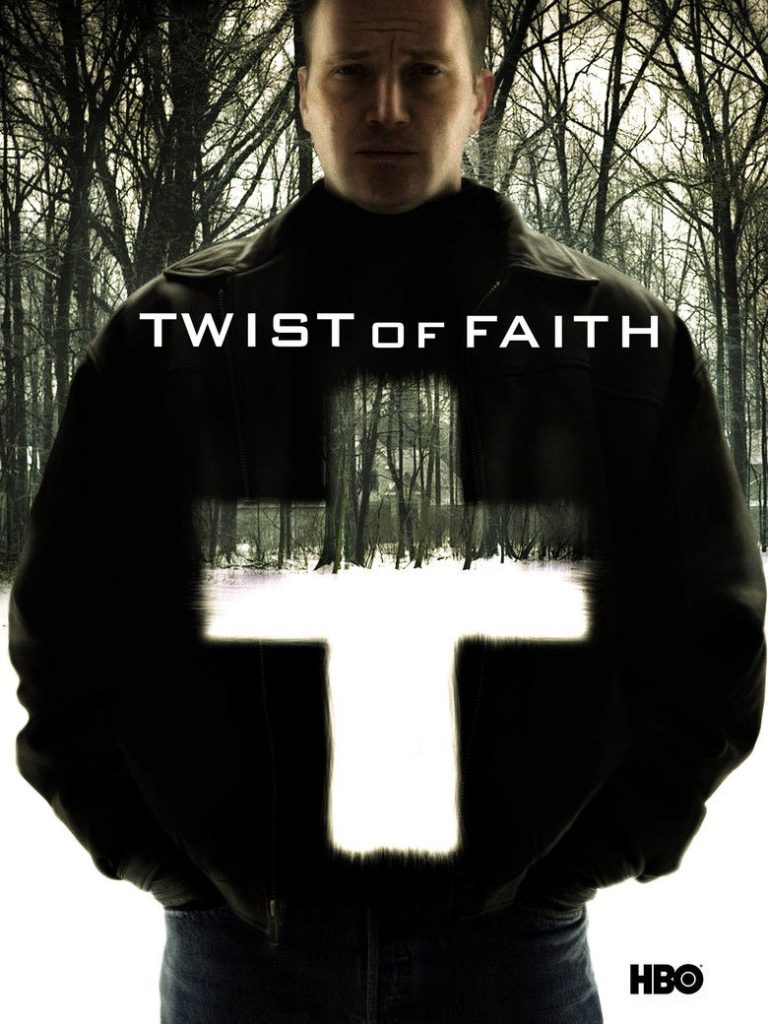
Twist of Faith is a 2004 documentary that follows a man's courageous journey as he confronts the trauma of childhood sexual abuse by a Catholic priest. The film explores how his decision to speak out impacts his relationships with family, community, and faith, offering a raw and emotional look at the long-term effects of abuse and the challenges of seeking justice and healing.
Parent Guide
This documentary contains mature content about childhood sexual abuse and its aftermath. It includes emotional discussions of trauma, religious conflict, and family relationships. Not suitable for children or young teens.
Content breakdown
No physical violence shown, but discussions of past sexual abuse and emotional peril as the subject confronts his trauma and faces community backlash.
Contains disturbing discussions of childhood sexual abuse, trauma, and emotional distress. The subject's emotional pain and the institutional betrayal are deeply unsettling.
Occasional mild language related to emotional discussions of abuse and trauma.
Contains explicit discussions of childhood sexual abuse, though no visual depictions of sexual acts or nudity.
No substance use shown or discussed.
High emotional intensity throughout as the subject confronts traumatic memories, faces family conflict, and deals with community rejection while seeking justice.
Parent tips
This documentary deals with mature themes of childhood sexual abuse, trauma, and institutional betrayal. It contains emotional discussions of abuse, religious conflict, and family tension. Recommended for mature teens and adults only. Parents should watch first to assess appropriateness for their family.
Parent chat guide
Parent follow-up questions
—
—
—
- What did you think about how the documentary showed the impact of trauma over time?
- How do you think institutions like churches or schools should protect children from abuse?
- What did you learn about the importance of speaking up when something wrong happens?
- How did the film show the conflict between personal truth and community loyalty?
🎭 Story Kernel
The film's core isn't about solving a crime, but about dismantling the psychological architecture of religious trauma. Protagonist David's journey from devout believer to disillusioned investigator reveals how faith operates as both sanctuary and prison. His crisis isn't theological but psychological—watching him meticulously document abuse while still clinging to ritualistic behaviors shows how trauma becomes encoded in religious practice. The real twist isn't a plot revelation, but the gradual realization that the system David trusted is designed to protect itself, not its followers. The film explores how religious authority weaponizes devotion, turning spiritual surrender into institutional compliance.
🎬 Visual Aesthetics
The cinematography employs a deliberate visual dichotomy: warm, golden-lit flashbacks of religious ceremonies contrast with cold, blue-tinged present-day investigations. Camera movements are restrained during church scenes, mimicking the controlled environment of worship, then become handheld and erratic during confrontation sequences. The color palette shifts from saturated reds and golds in religious spaces to desaturated grays in legal offices and police stations. Symbolically, the framing often traps characters between architectural lines—doorways, windows, altar rails—visually representing their entrapment within institutional structures. The lighting consistently casts long shadows during confession scenes, literally showing the darkness that follows these interactions.
🔍 Details & Easter Eggs
💡 Behind the Scenes
The film was shot in actual Catholic churches in Ohio with permission from progressive dioceses, creating authentic locations that heightened the realism. Lead actor David Keith spent weeks attending Mass and meeting with abuse survivors to understand the psychological landscape. Several scenes were improvised based on real survivor testimonies, particularly the deposition sequences. The documentary-style approach was influenced by director Kirby Dick's background in investigative documentaries, with many crew members having worked on previous exposés of institutional abuse.
Where to watch
Choose region:
- HBO Max
- HBO Max Amazon Channel
- Lifetime Movie Club
- Amazon Video
- Apple TV Store
- Google Play Movies
- YouTube
- Fandango At Home