
Two Distant Strangers (2020)
Story overview
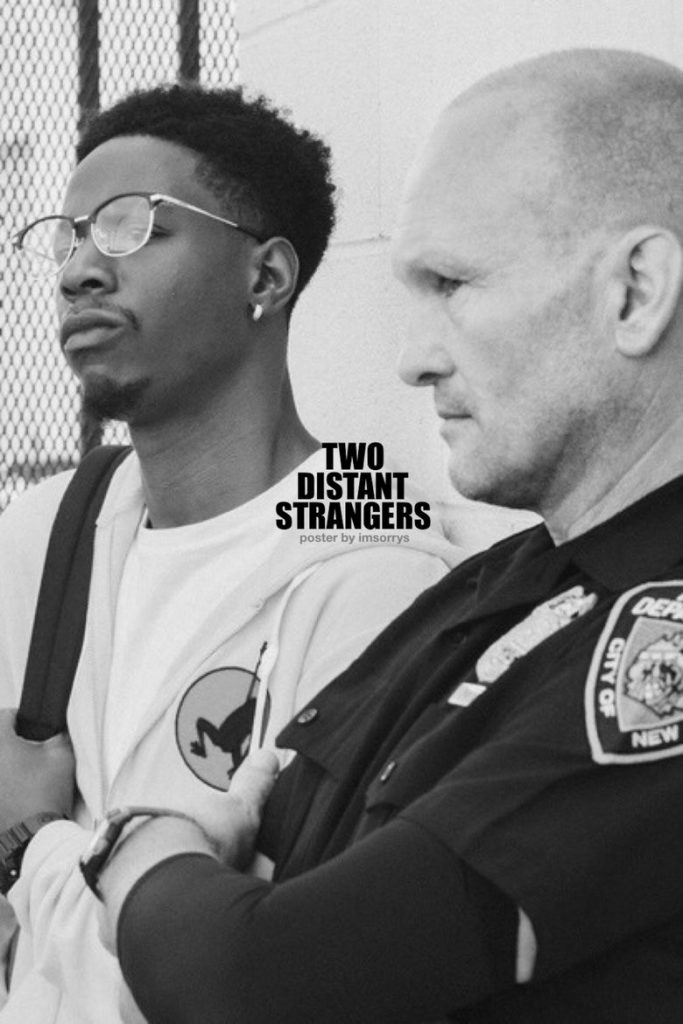
Two Distant Strangers is a 2020 drama that explores themes of systemic injustice and personal struggle through a compelling narrative. The film follows a protagonist navigating challenging circumstances that highlight broader social issues. It presents a thought-provoking story that encourages reflection on real-world problems.
Parent Guide
A drama addressing mature themes of social injustice that requires parental guidance for younger viewers.
Content breakdown
Contains dramatic situations involving conflict and tension that may be emotionally intense.
Themes of injustice and systemic problems may be disturbing to sensitive viewers.
May contain some strong language appropriate to dramatic situations.
No sexual content or nudity present.
No substance use depicted.
Deals with emotionally charged themes that may provoke strong reactions.
Parent tips
This film deals with mature themes related to social injustice and systemic issues that may be difficult for younger viewers to fully comprehend. Parents should be prepared to discuss these topics with their children, as the movie presents them in a dramatic context. Consider watching it together with older children to provide guidance and context for the challenging subject matter.
Parent chat guide
Parent follow-up questions
- What was your favorite part of the movie?
- How did the main character feel in the story?
- What colors or sounds did you notice most?
- Was there anything that made you feel happy or sad?
- What would you do if you were in the story?
- What problem was the main character trying to solve?
- How did the characters show they cared about each other?
- What was fair or unfair in the story?
- What would you have done differently than the characters?
- What lesson do you think the movie was teaching?
- What social issues did the movie address?
- How did the main character's choices affect the story?
- What did you learn about justice from this film?
- How realistic do you think the situations were?
- What would you change about the ending and why?
- How does this film comment on systemic problems in society?
- What techniques did the filmmakers use to convey their message?
- How does the protagonist's journey reflect broader social challenges?
- What historical or current events does this story relate to?
- How effective was the film at making you think about these issues?
🎭 Story Kernel
The film's core is a brutal allegory for the inescapable cycle of systemic racism and police violence against Black men in America. Carter's repeated deaths aren't a sci-fi puzzle to solve but a metaphor for how Black lives are trapped in a system designed to kill them regardless of their choices. His attempts to change the outcome—being polite, aggressive, compliant, or fleeing—all lead to the same fatal conclusion, illustrating that individual behavior cannot overcome institutionalized prejudice. The driver isn't character motivation but the relentless machinery of state-sanctioned violence, making the film a devastating critique of how 'justice' systems perpetuate rather than prevent racial trauma.
🎬 Visual Aesthetics
The cinematography employs a claustrophobic, handheld realism that grounds the fantastical time-loop in visceral immediacy. Scenes shift from the warm, intimate amber tones of Perri's apartment to the harsh, sterile blues and grays of the street where Carter dies—visualizing the transition from personal sanctuary to public threat. The camera often stays tight on Carter's face during his deaths, forcing viewers to sit with his terror and resignation rather than aestheticizing the violence. The recurring shot of the officer's knee pinning Carter uses identical framing each loop, transforming a specific act into a chilling, ritualized symbol of systemic repetition.
🔍 Details & Easter Eggs
💡 Behind the Scenes
The film was shot in Brooklyn during the COVID-19 lockdowns of 2020, with strict protocols that intensified the film's confined, urgent atmosphere. Co-director Travon Free drew from his own experiences with racial profiling to shape the script. Actor Joey Bada$$, known primarily as a rapper, performed all his own stunts, including the physically demanding repeated falls. The 30-minute runtime was designed for viral social media impact, releasing on Netflix shortly after the George Floyd protests to maximize its cultural resonance.
Where to watch
Choose region:
- Netflix
- Netflix Standard with Ads
Trailer
Trailer playback is unavailable in your region.