
Umjolo: My Beginning, My End! (2025)
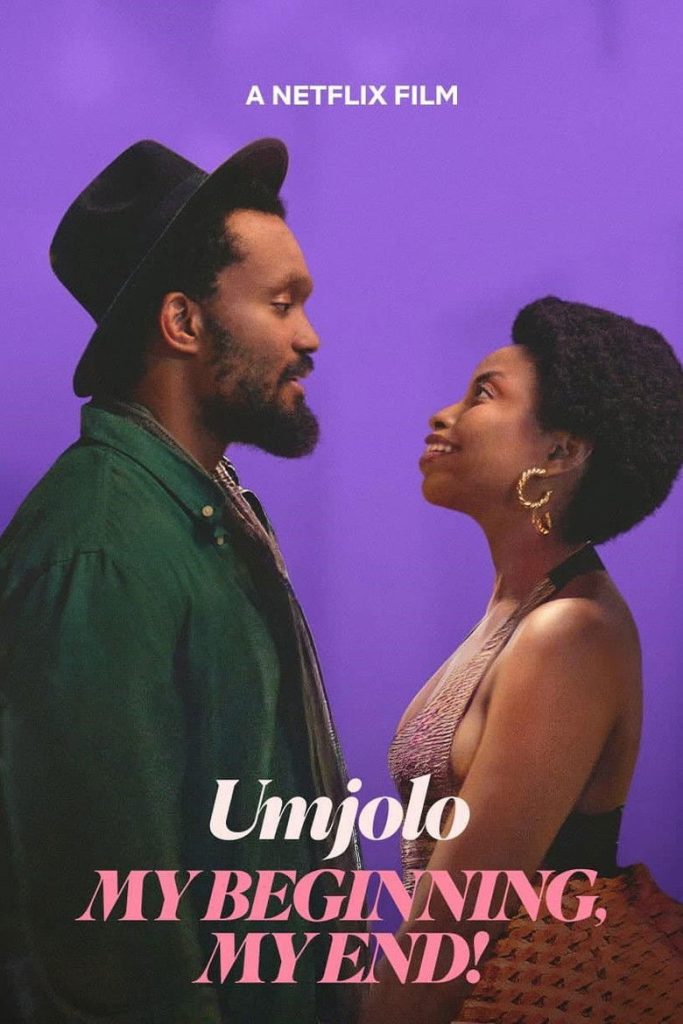
Story overview
Umjolo: My Beginning, My End! is a 2025 romance drama that explores the journey of a relationship from its hopeful start to its emotional conclusion. The film follows the characters as they navigate the complexities of love, connection, and personal growth. Through tender moments and challenging decisions, it portrays the universal experiences of heartbreak and self-discovery in relationships.
Parent Guide
A romance drama exploring relationship beginnings and endings with emotional themes suitable for teenagers with parental guidance.
Content breakdown
No physical violence or dangerous situations depicted.
May include emotionally intense scenes of relationship conflict or heartbreak that could be upsetting to sensitive viewers.
May include occasional mild romantic or emotional dialogue.
May include romantic kissing or affectionate moments typical of romance dramas.
No substance use depicted.
Contains emotional themes of love, heartbreak, and relationship challenges that may be intense for younger viewers.
Parent tips
This romance drama focuses on emotional relationships and may include themes of love, heartbreak, and personal growth that could be confusing for younger viewers. Parents should be prepared to discuss healthy relationships and emotional resilience with older children who watch this film. The movie's exploration of relationship endings might prompt questions about commitment and emotional maturity from pre-teens and teenagers.
Parent chat guide
Parent follow-up questions
- What colors did you see in the movie?
- Did you see any happy faces or sad faces?
- What was your favorite part to watch?
- Can you tell me about one character you remember?
- Was there any music you liked?
- How did the characters show they cared about each other?
- What made the characters happy or sad in the story?
- How did the characters solve their problems?
- What would you do if you felt like one of the characters?
- What did you learn about friendships from this movie?
- What do you think makes a relationship strong or weak?
- How did the characters communicate their feelings to each other?
- What choices did the characters make that affected their relationship?
- How do you think the characters grew or changed during the story?
- What would you do differently if you were in their situation?
- What themes about love and relationships did this film explore?
- How realistic were the relationship dynamics portrayed in the movie?
- What did the film suggest about personal growth through relationships?
- How did the characters handle conflict and emotional challenges?
- What insights did you gain about emotional maturity from watching this story?
🎭 Story Kernel
The film dissects the 'Umjolo' phenomenon—a South African colloquialism for the chaotic and often treacherous nature of modern dating—through the lens of a seemingly perfect couple, Nkanyiso and Xolani. At its core, the narrative is a cautionary tale about the illusion of stability in romantic partnerships. When a medical diagnosis shatters their facade, the story shifts from a standard rom-com into a poignant exploration of accountability and the gendered expectations of forgiveness. It expresses the harsh reality that love is not just about emotional connection but also about the physical and psychological consequences of broken trust. The film highlights how societal pressures often force women to bear the emotional labor of maintaining a relationship's image, even when the foundation is rotting from within, ultimately questioning if 'the end' is a tragedy or a necessary liberation.
🎬 Visual Aesthetics
Zuko Nodada utilizes a palette that oscillates between the warm, saturated tones of romantic bliss and the cold, stark reality of medical clinics and domestic confrontation. The cinematography often employs tight close-ups to capture the claustrophobic nature of betrayal, forcing the audience to sit with the characters' discomfort. There is a deliberate use of reflection—mirrors and glass—to symbolize the dual lives being led and the fragmented self-image of the protagonist as she navigates her new reality. The urban South African backdrop is not just a setting but a character itself, representing the fast-paced, often superficial environment where these relationships are forged. The lighting shifts subtly from soft, diffused glows in the beginning to harsher, high-contrast shadows as the secrets are unearthed, effectively mirroring the loss of innocence and the exposure of uncomfortable truths.
🔍 Details & Easter Eggs
💡 Behind the Scenes
Umjolo: My Beginning, My End! is the first installment of a four-part anthology series released on Netflix, produced by Stained Glass TV, a prominent South African production house. Director Zuko Nodada, known for his work on 'Unmarried,' brings his expertise in domestic drama to this project. The film stars Gugu Gumede, who is widely recognized for her role in the popular soap opera 'Uzalo,' marking a significant transition into a lead film role. The production aimed to tackle the stigma surrounding sexual health in South Africa, using the 'Umjolo' branding to engage a younger, digitally-active audience.
Where to watch
Choose region:
- Netflix
- Netflix Standard with Ads
Trailer
Trailer playback is unavailable in your region.