
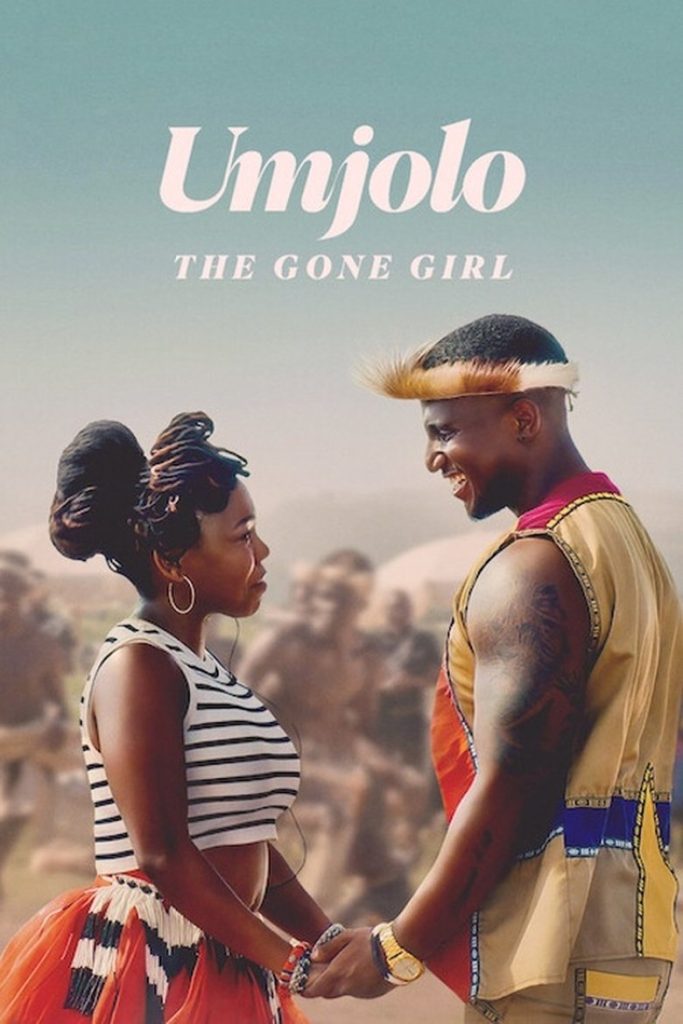
Umjolo: The Gone Girl (2024)
Story overview
Umjolo: The Gone Girl is a 2024 romantic dramedy that explores modern relationships through a lighthearted yet thoughtful lens. The film follows characters navigating the complexities of dating and personal connections in contemporary settings. With its blend of romance, drama, and comedy elements, it presents relatable scenarios about love and self-discovery.
Parent Guide
A romantic dramedy exploring modern relationships with lighthearted and thoughtful elements. Best suited for pre-teens and older due to relationship themes.
Content breakdown
No physical violence or perilous situations depicted.
No frightening or disturbing imagery present.
May contain occasional mild language typical of romantic comedies.
Likely contains romantic situations and mild references typical of the genre.
May include social drinking in relationship settings.
Contains emotional relationship dynamics and personal growth themes.
Parent tips
This film deals with themes of romantic relationships and personal growth that may be more relevant to older children and teenagers. Parents should be aware that while presented as a dramedy, the content involves adult relationship dynamics that younger viewers might not fully understand. Consider watching together with pre-teens and teens to discuss the portrayal of relationships and emotional maturity.
Parent chat guide
Parent follow-up questions
- What was your favorite funny part?
- Which character did you like best?
- What colors did you see in the movie?
- Was there any music you liked?
- What made you smile in the story?
- What did you think about how the characters talked to each other?
- How did the characters show they cared about each other?
- What was the main problem in the story?
- What did you learn about friendships from this movie?
- How did the characters solve their disagreements?
- How do you think the characters could have communicated better?
- What does this movie show about healthy relationships?
- How did the characters grow or change during the story?
- What messages about dating did you notice in the film?
- How realistic do you think the relationship situations were?
- What insights did the film provide about modern dating culture?
- How did the film balance romantic ideals with realistic relationship challenges?
- What did you think about the portrayal of emotional maturity in relationships?
- How might this film influence your views on communication in relationships?
- What aspects of the story felt most authentic to you?
🎭 Story Kernel
The film serves as a biting commentary on 'Umjolo'—the Zulu slang for the often-treacherous world of modern dating. It follows Lethu, a young woman who believes she has found the perfect partner, only to have her reality shattered by the discovery of his systemic infidelity. Rather than leaning into the melodramatic tropes of the scorned woman, the narrative explores the psychological erosion caused by gaslighting and the societal pressure to maintain a 'perfect' relationship image. It is essentially a character study on the disillusionment of the digital age, where love is frequently commodified and loyalty is treated as an optional feature. The story expresses the painful necessity of self-actualization over the comfort of a toxic partnership, highlighting how the quest for 'the one' often leads to losing oneself in the process.
🎬 Visual Aesthetics
Director Fikile Mogodi utilizes a vibrant, contemporary South African urban aesthetic that contrasts sharply with the protagonist's internal decay. The cinematography employs a palette of warm, saturated hues during the initial romantic sequences, which gradually shifts into colder, more clinical tones as the betrayal comes to light. There is a recurring visual motif of reflections—through mirrors, windows, and smartphone screens—symbolizing the fragmented identities and the dual lives led by the characters. The framing is often tight and intimate, creating a sense of emotional claustrophobia that mirrors Lethu’s feeling of being trapped within a lie. This visual language effectively translates the invisible weight of emotional deceit into a tangible, atmospheric presence, using the bustling backdrop of Johannesburg to emphasize the isolation felt within a crumbling relationship.
🔍 Details & Easter Eggs
💡 Behind the Scenes
Umjolo: The Gone Girl is the inaugural film in a four-part anthology series produced by Stained Glass TV for Netflix, specifically designed to explore the multifaceted nature of love in South Africa. Director Fikile 'Mo' Mogodi, a veteran of South African television, brings a grounded sensibility to the project, moving away from the gloss of traditional rom-coms toward a more 'slice-of-life' dramatic realism. The production is part of a broader initiative to localize content for African audiences, focusing on relatable social dynamics like the 'situationship' and the cultural nuances of dating in a high-pressure urban environment.
Where to watch
Choose region:
- Netflix
- Netflix Standard with Ads
Trailer
Trailer playback is unavailable in your region.