
Uncovering Fukushima (2022)
Story overview
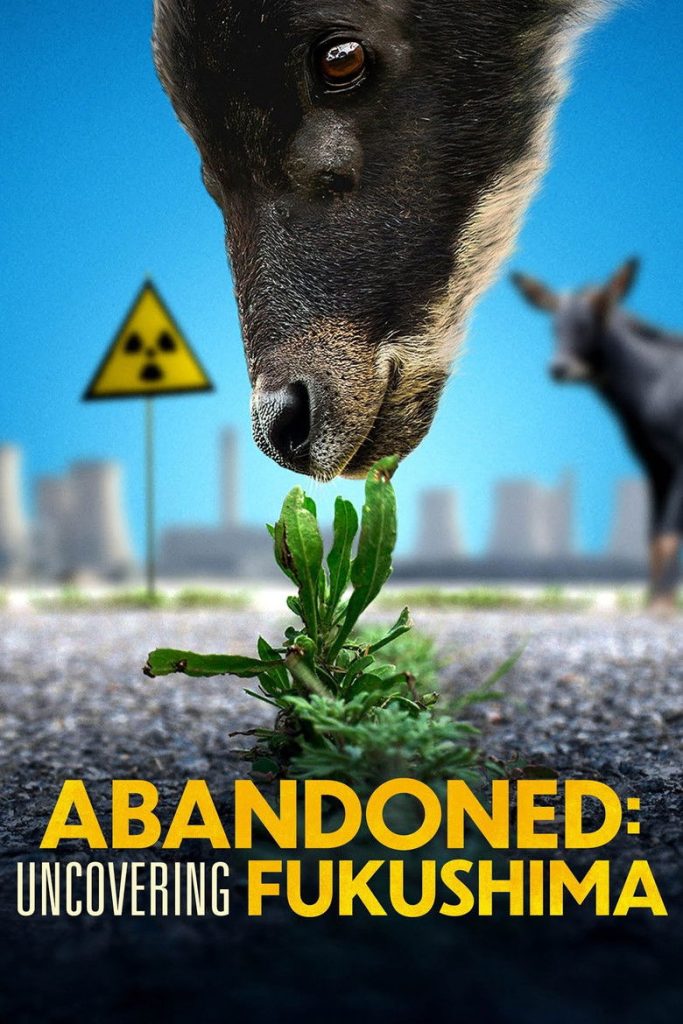
This documentary follows investigators exploring the Fukushima nuclear exclusion zone to examine how wildlife has adapted to the contaminated environment after the 2011 disaster. It presents scientific observations of animals and plants in the area, with discussions about radiation effects and ecological recovery, while maintaining an educational tone focused on environmental science.
Parent Guide
Educational documentary about wildlife adaptation in Fukushima's nuclear exclusion zone. Suitable for mature children interested in science, with parental guidance recommended for discussions about radiation and environmental disasters.
Content breakdown
No violence depicted. Investigators follow safety protocols in contaminated areas, shown professionally without peril dramatization.
Mildly disturbing due to discussion of nuclear disaster and radiation contamination. No graphic images of disaster aftermath or suffering animals. Tone is scientific rather than sensational.
No offensive language. Professional, educational vocabulary about environmental science and radiation.
No sexual content or nudity.
No substance use depicted.
Mild emotional intensity from serious subject matter. Focuses on scientific observation rather than emotional storytelling. May provoke thoughtful concern about environmental responsibility.
Parent tips
This documentary is educational but deals with serious environmental topics. Consider watching together to discuss radiation safety and disaster impacts. The content is factual without graphic imagery, but younger children might find the nuclear disaster context unsettling. Best for children who can understand scientific concepts and handle discussions of environmental contamination.
Parent chat guide
Parent follow-up questions
- What animals did you see in the movie?
- What colors did you notice in nature?
- How do you think animals find food?
- Why do you think animals can live where people can't?
- What does 'radiation' mean in simple terms?
- How do scientists stay safe when studying dangerous places?
- What adaptations might help wildlife survive in contaminated areas?
- How does this documentary present the balance between scientific curiosity and safety?
- What long-term effects might radiation have on ecosystems?
- How does this documentary approach the ethical dimensions of nuclear energy?
- What does the wildlife recovery suggest about ecosystem resilience?
- How might this case study inform future environmental disaster responses?
🎭 Story Kernel
The film's core isn't about the Fukushima meltdown itself, but about the human compulsion to confront the incomprehensible. It follows scientists, journalists, and former residents not as heroes on a mission, but as flawed individuals driven by guilt, professional obsession, and a desperate need for closure. Their motivations are layered—some seek truth, others redemption, many simply cannot look away from the catastrophe they survived. The narrative tension comes from the clash between scientific detachment and emotional trauma, revealing how disaster becomes a permanent resident in the psyche long after evacuation orders lift.
🎬 Visual Aesthetics
The cinematography masterfully employs a dual visual language: sterile, high-definition shots of abandoned control rooms contrast with shaky, handheld footage of overgrown exclusion zones. A desaturated color palette dominates—concrete grays, warning-sign yellows, and the eerie blue of reactor pool lighting—creating a world drained of life. Slow pans across decaying interiors and lingering static shots of radiation monitors build unbearable tension without action. The camera often positions characters as small figures against industrial landscapes, visually reinforcing human insignificance against technological failure.
🔍 Details & Easter Eggs
💡 Behind the Scenes
Director Akira Kamiki insisted on filming in actual Fukushima exclusion zones with special permits, using lead-lined cameras and strict time limits for crew safety. Several non-professional actors are former residents playing fictionalized versions of themselves. The haunting score incorporates field recordings from abandoned locations and ultrasonic frequencies beyond human hearing—a sonic metaphor for imperceptible radiation. Production faced multiple shutdowns when radiation monitors alarmed unexpectedly.
Where to watch
Choose region:
- HBO Max
- Discovery +