
Unforgiven (1992)
Story overview
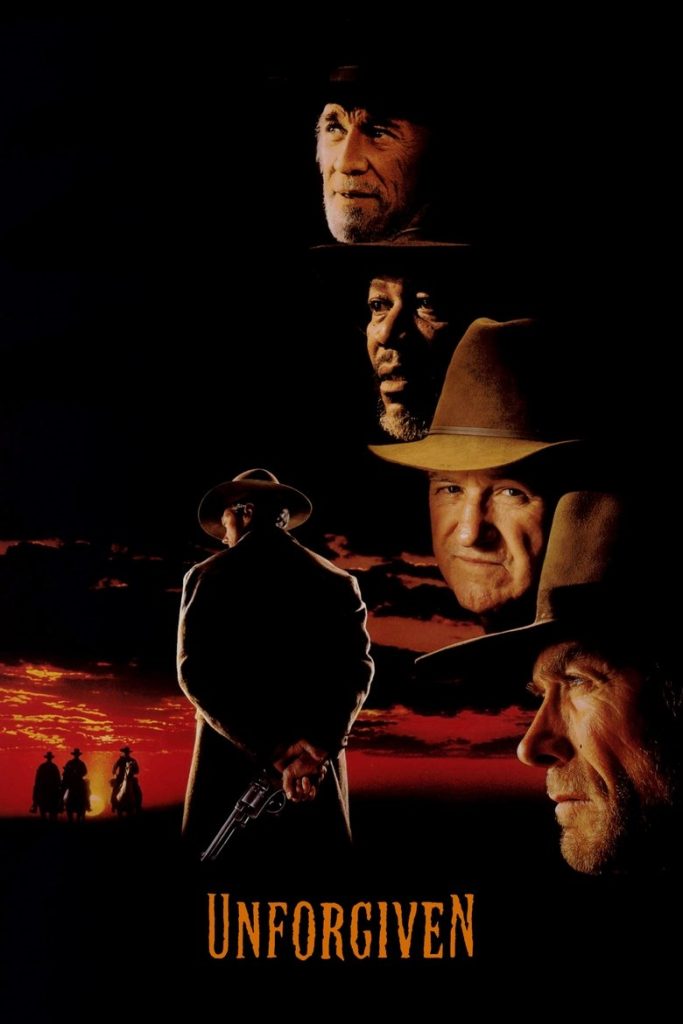
Unforgiven is a 1992 Western film directed by Clint Eastwood. It follows a retired outlaw who reluctantly returns to bounty hunting for one final mission. The story explores themes of violence, redemption, and morality in a harsh frontier setting. The film presents a gritty and realistic portrayal of the American West.
Parent Guide
A mature Western with strong violence and thematic complexity. Best suited for older teens who can process its moral ambiguity.
Content breakdown
Graphic violence including shootings, beatings, knife attacks, and bloody injuries. Violence is portrayed as brutal and consequential rather than glamorous.
Intense scenes of peril and violence. Themes of revenge and moral ambiguity may be disturbing. Some characters face threats and intimidation.
Frequent strong profanity throughout the film. Includes multiple uses of harsh language common to Western settings.
References to prostitution and brief suggestive situations. No explicit nudity shown.
Characters drink alcohol in saloon settings. Some scenes show drunken behavior.
High emotional stakes involving revenge, guilt, and moral dilemmas. Characters face difficult choices with serious consequences.
Parent tips
This film is rated R for strong violence, language, and thematic elements. It contains graphic depictions of violence including shootings, beatings, and knife attacks that result in blood and injury. The language includes strong profanity throughout. Thematic elements include prostitution, revenge, and moral ambiguity that may be challenging for younger viewers.
Parents should note that this is not a traditional heroic Western but rather a deconstruction of Western genre tropes. The violence is presented as brutal and consequential rather than glamorous. The film's mature themes about the nature of violence and redemption require thoughtful consideration for appropriate viewing ages.
Parent chat guide
After watching, focus conversations on how the film portrays the consequences of violence and the difficulty of redemption. Discuss how characters make moral choices in difficult circumstances. Help children process the film's ambiguous ending and what it says about justice and human nature.
Parent follow-up questions
- What did you think about the horses in the movie?
- How did the music make you feel?
- What colors did you see in the desert scenes?
- Did you see any animals besides horses?
- What was your favorite part of the movie?
- Why do you think the main character decided to help the woman?
- How did the characters show they were friends?
- What made some scenes feel scary or tense?
- How did the weather and setting affect the story?
- What did you learn about life in the old West?
- What does the film say about revenge and justice?
- How do the characters change throughout the story?
- Why is violence shown as having consequences?
- What moral choices did characters face?
- How does this Western differ from others you've seen?
- How does the film deconstruct traditional Western hero tropes?
- What commentary does the film make about violence and redemption?
- How do the characters' pasts influence their present actions?
- What does the film suggest about the nature of justice?
- How does the setting contribute to the film's themes?
🎭 Story Kernel
At its core, 'Unforgiven' is a brutal autopsy of the Western genre's central lie: that violence can be noble or redemptive. The film meticulously dismantles the myth of the 'good gunslinger' by following William Munny, a man haunted by his past sins, not redeemed by them. His journey isn't about justice for a disfigured prostitute; it's a reluctant, grim descent back into the man he swore he'd left behind. The characters are driven not by honor or frontier justice, but by economics (the bounty), ego (Little Bill's sadistic 'law'), and the inescapable gravity of a violent nature. The film posits that violence isn't a tool for good, but a corrosive force that permanently stains both perpetrator and society.
🎬 Visual Aesthetics
Eastwood frames the West not as a majestic frontier, but as a muddy, rain-soaked purgatory. The color palette is dominated by drab browns, grays, and the oppressive darkness of night scenes, visually rejecting the romantic, sun-drenched landscapes of classic Westerns. The camera is often static, observing violence with a cold, unflinching detachment. The final shootout is lit almost entirely by lightning flashes and gunfire, creating a stark, chaotic tableau that feels more like a brutal slaughter than a heroic showdown. This aesthetic reinforces the film's theme: there is no glamour here, only the grim, wet reality of killing.
🔍 Details & Easter Eggs
💡 Behind the Scenes
Gene Hackman's portrayal of Little Bill was so convincingly vile that he reportedly received hate mail. The role won him an Academy Award for Best Supporting Actor. The film was shot primarily in Alberta, Canada, with the town of Big Whiskey built from scratch. Clint Eastwood, who directed and starred, deliberately cast against type, playing a frail, coughing pig farmer instead of a steely-eyed avenger. Richard Harris was a late addition as English Bob, his flamboyant performance providing a perfect contrast to Eastwood's grim reserve.
Where to watch
Choose region:
- Amazon Video
- Apple TV
- Google Play Movies
- YouTube
- Fandango At Home
- Spectrum On Demand
Trailer
Trailer playback is unavailable in your region.