Uprising (2024)
Story overview
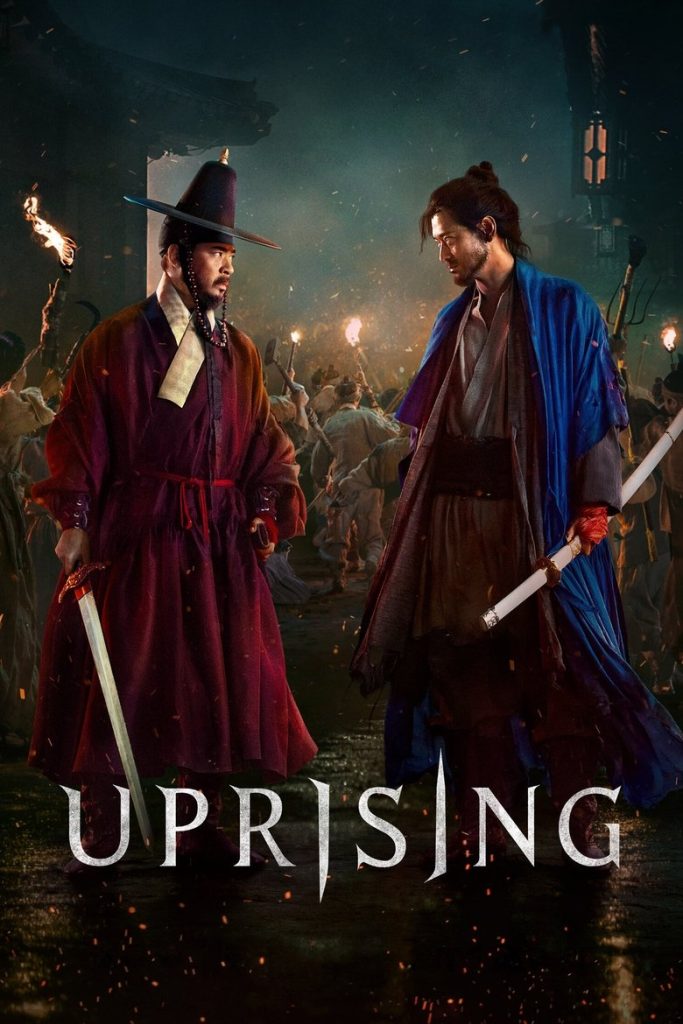
Uprising is a 2024 action-drama historical film rated TV-MA. It depicts a significant historical conflict through intense action sequences and dramatic storytelling. The movie explores themes of resistance, struggle, and human resilience in challenging circumstances.
Parent Guide
TV-MA rated historical action-drama with mature themes and content suitable for adult audiences only.
Content breakdown
Historical action film likely contains intense battle scenes, combat violence, and perilous situations typical of war/resistance narratives.
Historical conflict themes may include disturbing situations, though specifics depend on the particular historical event depicted.
TV-MA rating suggests potentially strong language appropriate to intense dramatic situations.
Historical dramas may include romantic elements, but action focus suggests limited sexual content.
Period-appropriate substance use may be depicted, but not a primary focus given action-drama genres.
Historical conflicts and resistance stories typically involve high emotional stakes and intense dramatic moments.
Parent tips
This TV-MA rated film contains mature content suitable for adult audiences. Given the historical action-drama nature and TV-MA rating, parents should expect intense violence, strong language, and potentially disturbing scenes. Preview the film yourself before considering it for older teenagers, and be prepared to discuss the historical context and mature themes presented.
Parent chat guide
Parent follow-up questions
- What did you think about the people in the movie?
- How did the music make you feel?
- What colors did you notice most in the film?
- What was the main problem the characters faced?
- How did the characters work together?
- What did you learn about helping others from this movie?
- What historical period do you think this movie represents?
- How do movies show conflict differently than books?
- What makes a leader effective during difficult times?
- How accurately do you think this film portrays historical events?
- What ethical dilemmas did the characters face?
- How does media representation of conflict affect our understanding of history?
🎭 Story Kernel
Set against the backdrop of the Imjin War, Uprising explores the volatile intersection of personal loyalty and systemic oppression. The narrative centers on the fractured bond between Cheon-young, a slave with peerless martial skill, and Jong-ryeo, his former master and friend. While the Japanese invasion provides the external conflict, the film’s true battle is internal: the struggle against a rigid Joseon hierarchy that treats its defenders as disposable property. It critiques the cowardice of a monarchy that flees its people, contrasting the King’s self-preservation with the grassroots resistance of the righteous army. The uprising is not just a rebellion against invaders, but a desperate, violent rejection of a social contract that has long since rotted, proving that a sword held by a slave cuts just as deep as one held by a nobleman's hand.
🎬 Visual Aesthetics
Director Kim Sang-man crafts a visual landscape defined by stark contrasts between opulence and decay. The cinematography utilizes a desaturated palette to emphasize the grim reality of war-torn Joseon, punctuated by bursts of vibrant, stylized violence. The sword-fighting choreography is particularly noteworthy, using long takes and dynamic camera movements to reflect the characters' emotional states; Cheon-young’s movements are fluid and improvisational, symbolizing his yearning for freedom, while Jong-ryeo’s style is rigid and disciplined, mirroring his adherence to tradition. Symbolism is woven into the environment, such as the recurring motif of the blue cloth and the fog-drenched final duel, which serves as a literal and metaphorical gray zone where class distinctions blur and only the raw instinct for survival and personal truth remains.
🔍 Details & Easter Eggs
💡 Behind the Scenes
Uprising gained significant attention for its high-profile creative team, most notably being co-written and produced by legendary director Park Chan-wook. This marks Park's first collaboration with Netflix. Director Kim Sang-man, known for Midnight FM, also served as the art director for Joint Security Area, which explains the film's meticulous visual composition and attention to period-accurate production design. The film served as the opening night selection for the 29th Busan International Film Festival, a rare honor for a streaming-original production. Lead actor Gang Dong-won underwent rigorous training to execute the complex, high-speed swordplay, aiming for a distinct style that differentiated his character from traditional cinematic swordsmen.
Where to watch
Choose region:
- Netflix
- Netflix Standard with Ads
Trailer
Trailer playback is unavailable in your region.