
Valley of the Kings: The Lost Tombs (2021)
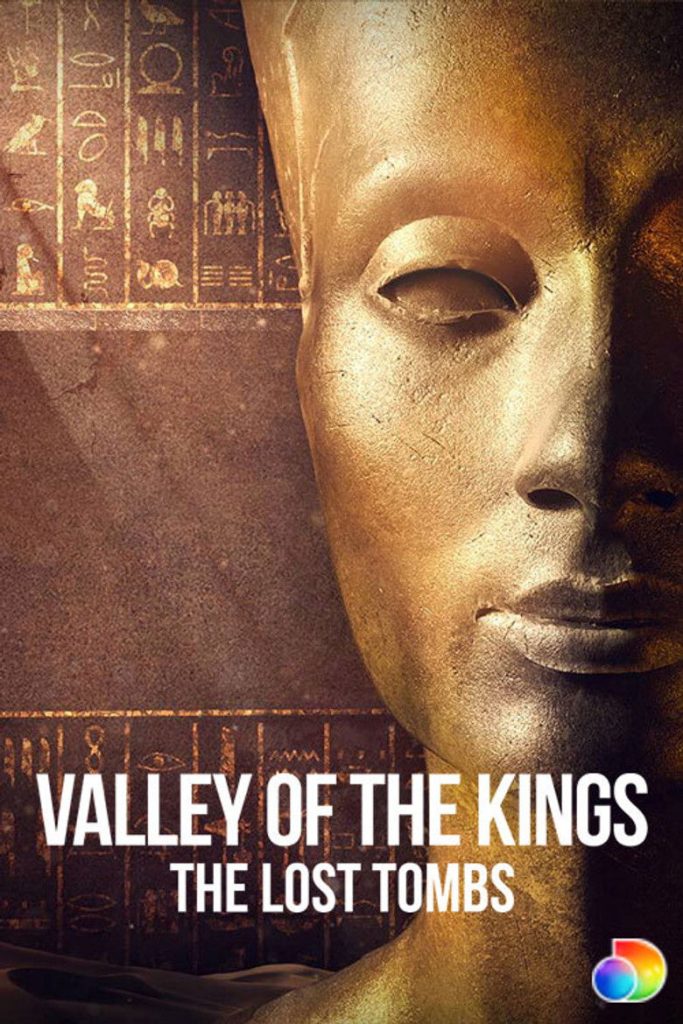
Story overview
This documentary follows renowned archaeologist Zahi Hawass and his team as they conduct the largest Egyptian excavation ever in the Valley of the Kings. The film explores the Western Valley, where over 60 tombs have been discovered, as archaeologists search for evidence of an undiscovered tomb. The documentary provides educational insights into archaeological methods, ancient Egyptian burial practices, and the scientific process of historical discovery.
Parent Guide
Educational documentary about archaeological excavation in Egypt's Valley of the Kings. No concerning content present. Suitable for all ages with interest in history or science.
Content breakdown
No violence or peril depicted. The documentary focuses on scientific excavation and historical analysis.
No scary or disturbing content. The film discusses burial practices academically without graphic depictions.
No inappropriate language. Professional and educational tone throughout.
No sexual content or nudity. The documentary maintains academic focus on archaeology.
No substance use depicted or discussed.
Mild excitement around archaeological discoveries. No intense emotional moments.
Parent tips
This documentary is appropriate for most school-aged children and provides excellent educational content about archaeology and ancient Egypt. The pacing is deliberate and focused on scientific discovery rather than dramatic reenactments. No concerning content is present, making it suitable for family viewing with children interested in history or science.
Parent chat guide
Parent follow-up questions
- What do you think archaeologists are looking for?
- What tools do you see them using?
- Why do you think the Egyptians built big tombs?
- How do archaeologists know where to dig?
- What can we learn from studying ancient tombs?
- Why is it important to be careful when excavating historical sites?
- What scientific methods do archaeologists use to date their findings?
- How does this excavation compare to what you've learned about archaeology?
- What ethical considerations should archaeologists have when excavating burial sites?
- How has archaeological methodology evolved over time?
- What political and cultural factors influence archaeological work in Egypt today?
- How do archaeologists balance scientific discovery with preservation of historical sites?
🎭 Story Kernel
At its core, 'Valley of the Kings: The Lost Tombs' is less about discovering ancient artifacts and more about the human cost of obsession. The protagonist's drive isn't purely academic or adventurous—it's a desperate attempt to outrun personal failure and familial disappointment. The film cleverly subverts treasure-hunt tropes by revealing that each character's motivation stems from a different form of emptiness: one seeks validation, another redemption, a third escape. The tombs themselves become psychological mirrors, reflecting not gold but the characters' deepest insecurities. The final revelation that the 'great treasure' is actually a collection of ordinary burial items underscores the film's central thesis: we project our desires onto history, creating myths to fill our own voids.
🎬 Visual Aesthetics
The cinematography masterfully employs a decaying color palette—starting with vibrant desert oranges that gradually desaturate to tomb grays and blues, visually tracing the characters' fading optimism. Camera work is notably claustrophobic in tomb sequences, using tight close-ups and shaky handheld shots to amplify tension, contrasting with wide, static landscape shots that emphasize human insignificance. Symbolism appears in recurring visual motifs: cracked pottery mirrors fractured relationships, while the careful framing of hieroglyphic eyes creates an unsettling sense of being watched. The action sequences avoid Hollywood spectacle, instead using practical effects and dim lighting to make every stumble in the dark feel perilously authentic.
🔍 Details & Easter Eggs
💡 Behind the Scenes
The production team collaborated with actual Egyptologists to design tomb interiors, using 3D scans of real Valley of the Kings sites. Lead actor Michael Stone performed all his own climbing stunts after training for months, resulting in the authentic exhaustion visible in later scenes. Several tomb sequences were shot in a converted aircraft hangar in Morocco where temperatures reached 115°F, explaining the actors' genuine sweat and discomfort. The film's minimal CGI policy extended to using practical sand effects that reportedly damaged camera equipment, adding to the shoot's notorious difficulty.
Where to watch
Choose region:
- HBO Max
- Discovery +