
Vengeance Is Mine, All Others Pay Cash (2021)
Story overview
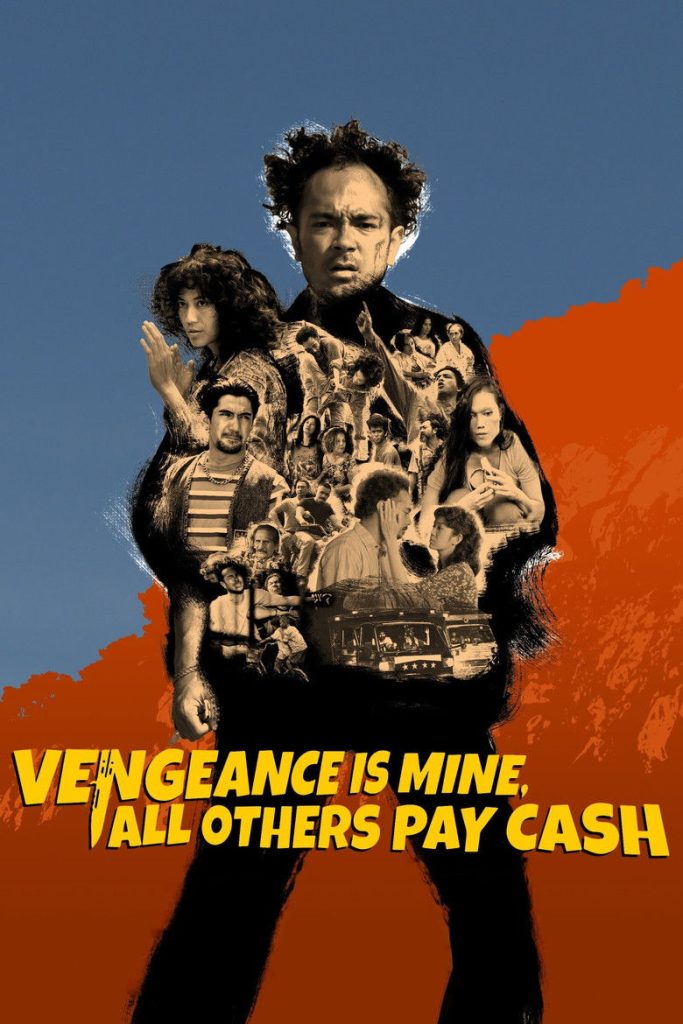
Ajo Kawir is a fearless fighter driven by a secret personal struggle with impotence. His life changes when he encounters Iteung, a formidable female fighter who defeats him in combat but also captures his heart. The film follows Ajo's journey as he navigates love, violence, and his quest for inner peace in this action-packed romantic comedy.
Parent Guide
This film combines martial arts action with romantic comedy elements while exploring mature themes of sexuality, masculinity, and personal identity. The TV-MA rating reflects significant violence, sexual themes, and strong language.
Content breakdown
Frequent martial arts fighting scenes with punches, kicks, and physical confrontations. Characters are shown bruised and injured. Fighting is stylized but includes realistic impacts. No graphic gore or extreme violence.
Some intense fight scenes may be unsettling for younger viewers. The protagonist's emotional struggle with impotence could be confusing or uncomfortable for some audiences. No horror elements or jump scares.
Some strong language and profanity in Indonesian dialogue. Occasional crude references and sexual innuendo. Not constant but present throughout the film.
Central theme involves male impotence and sexual dysfunction. Sexual references and innuendo throughout. Romantic scenes with kissing and physical intimacy. No explicit nudity or graphic sexual content shown.
Social drinking in some scenes. Characters shown with alcoholic beverages in social settings. No prominent drug use or substance abuse themes.
Deals with themes of personal inadequacy, masculinity, and self-acceptance. Romantic tension and relationship struggles. Some emotional scenes dealing with vulnerability and personal growth. Not overwhelmingly intense but deals with mature emotional themes.
Parent tips
This Indonesian action-romance-comedy contains martial arts violence, mature themes about sexuality and relationships, and some strong language. The TV-MA rating indicates it's intended for mature audiences. Parents should preview or watch with older teens to discuss the film's themes of masculinity, violence, and personal struggles.
Parent chat guide
Parent follow-up questions
—
—
—
- What did you think about how Ajo dealt with his personal struggles?
- How did the film balance comedy with serious themes?
- What did you notice about how fighting and violence were portrayed?
- How did the relationship between Ajo and Iteung develop throughout the film?
🎭 Story Kernel
At its core, 'Vengeance Is Mine, All Others Pay Cash' is a razor-sharp satire of toxic masculinity, using impotence as a literal and metaphorical wound. Ajo's inability to perform sexually manifests as a violent compulsion to fight, creating a vicious cycle where physical dominance substitutes for emotional and sexual vulnerability. The film brilliantly explores how patriarchal expectations trap both men and women—Ajo's violence and Iteung's resigned acceptance are two sides of the same oppressive coin. Their relationship becomes a tragicomic dance of dysfunction, where love is expressed through brutality and submission, questioning whether redemption is possible within such a broken system.
🎬 Visual Aesthetics
The film employs a gritty, saturated color palette reminiscent of 80s Indonesian pulp magazines, bathing scenes in neon blues and bloody reds that heighten the absurd melodrama. Cinematography shifts between frenetic, shaky-cam fight sequences—emphasizing chaotic brutality—and static, composed shots that frame characters as trapped within their environments. Director Edwin uses visual irony: violent fights are shot with B-movie exuberance, while intimate moments feel cold and detached. Recurring motifs like cramped spaces and reflective surfaces visually reinforce characters' emotional imprisonment and fractured self-perception.
🔍 Details & Easter Eggs
💡 Behind the Scenes
Based on Eka Kurniawan's novel, the film blends martial arts genres with social satire, shot on location in West Java to capture its specific cultural atmosphere. Lead actor Marthino Lio performed most of his own stunts after intensive silat training. Director Edwin intentionally used vintage anamorphic lenses to create the film's distinctive visual texture, referencing 1980s Indonesian exploitation cinema. The rooster fight scenes used trained animals with strict welfare oversight. Interestingly, the film's international title differs from the original Indonesian 'Seperti Dendam, Rindu Harus Dibayar Tuntas,' which more directly translates the novel's poetic melancholy.
Where to watch
Choose region:
- Netflix
- Netflix Standard with Ads
Trailer
Trailer playback is unavailable in your region.