
Violet Evergarden: Eternity and the Auto Memory Doll (2019)
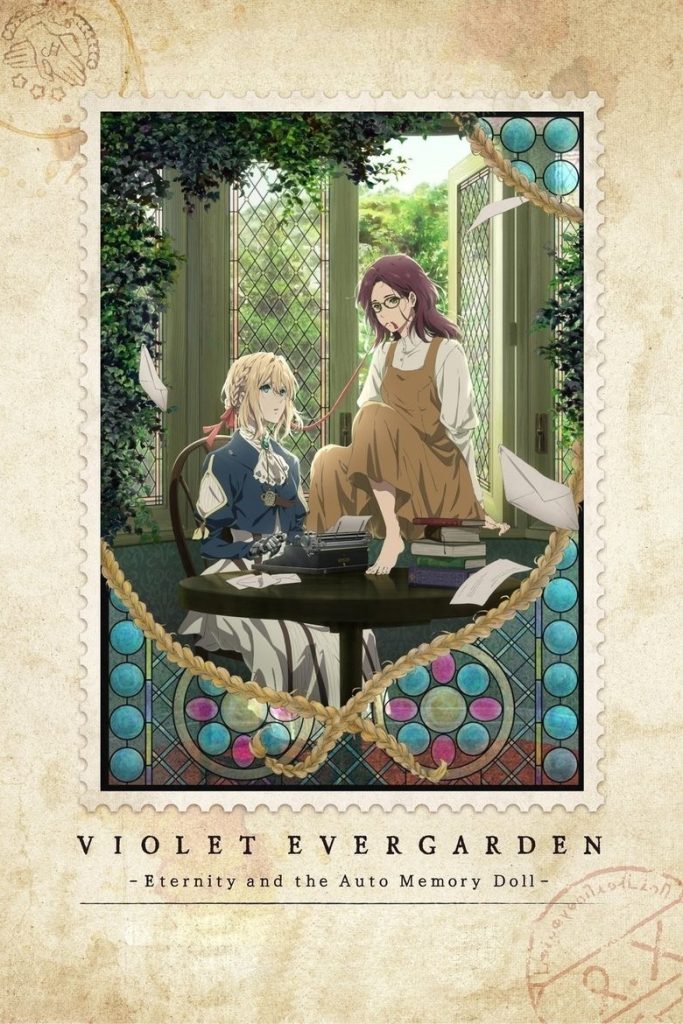
Story overview
This animated film follows Violet Evergarden, a professional letter writer, as she tutors a young woman named Isabella at a private academy. Isabella struggles with grief and feelings of being trapped in her new life as an heir to a prominent family. Through their interactions, Violet helps Isabella navigate her emotions and find healing. The story explores themes of loss, personal growth, and finding purpose through connection with others.
Parent Guide
A gentle, emotionally-focused animated film about grief and healing with minimal concerning content but mature themes.
Content breakdown
No violence, fighting, or physical peril depicted.
Some emotional intensity related to grief and sadness, but no frightening imagery or jump scares.
No offensive language or profanity.
No sexual content, romantic situations, or nudity.
No depiction of alcohol, drugs, or smoking.
Significant focus on grief, loss, and emotional healing that could be intense for sensitive viewers.
Parent tips
This film deals with mature emotional themes including grief, loss, and personal identity that may require parental guidance for younger viewers. The story focuses on character development and emotional healing rather than action or adventure, so children expecting fast-paced entertainment might find it slow. The TV-PG rating reflects its generally mild content, but the emotional weight of the story could be intense for sensitive viewers.
Parents should be aware that the film explores sadness and longing in a thoughtful way, which could resonate with children who have experienced loss or change. The animation is beautiful and the storytelling is gentle, but the pacing is deliberate and contemplative. This is more of a character study than a traditional animated adventure.
Parent chat guide
Encourage your child to talk about times they've felt sad or trapped in a situation, and discuss healthy ways to handle those feelings. Ask about what they learned about friendship and support from watching Violet help Isabella. This film provides good opportunities to discuss emotional intelligence and resilience.
Parent follow-up questions
- How did Violet help Isabella feel better?
- What made Isabella feel sad in the story?
- What does it mean to be a good friend?
- How do you help someone who is feeling sad?
- What was your favorite part of the movie?
- Why do you think Isabella felt trapped in her new life?
- How did Violet's lessons help Isabella?
- What does it mean to 'heal' from sadness?
- How can talking about feelings help us?
- What did you learn about helping others with their emotions?
- How does the film show different ways people cope with grief?
- What does Isabella learn about herself through her interactions with Violet?
- How does the setting of the academy influence the characters' experiences?
- What message does the film give about personal growth?
- How do you think Isabella's life might change after the events of the story?
- How does the film explore the relationship between duty and personal happiness?
- What commentary does the story make about societal expectations for young women?
- How does Violet's own background influence how she helps Isabella?
- What does the film suggest about the process of emotional healing?
- How might the themes of this story relate to real-life experiences of transition and loss?
🎭 Story Kernel
At its core, the film explores the transformative power of empathy through service. Violet's work as an Auto Memory Doll isn't about ghostwriting letters—it's about becoming a conduit for unspoken emotions. The central relationship with Isabella York reveals that true communication requires vulnerability on both sides. While Violet helps Isabella express her suppressed affection for her sister, Isabella inadvertently teaches Violet that emotional labor isn't about perfection but presence. The film argues that the most profound connections happen when we become temporary vessels for others' feelings, and that healing often comes from helping others heal first.
🎬 Visual Aesthetics
The visual language operates on a principle of emotional magnification through restraint. Director Haruka Fujita employs deliberate pacing—lingering shots of hands writing, extended sequences of characters simply existing in spaces—to create emotional weight. The color palette shifts subtly: Isabella's world begins in cool blues and grays, warming to golds and ambers as she opens emotionally. Symbolism is tactile rather than abstract: the physical letters become extensions of bodies, the typewriter keys echo heartbeats, and the careful framing emphasizes distance between characters until emotional breakthroughs literally bring them into the same visual space.
🔍 Details & Easter Eggs
💡 Behind the Scenes
The film serves as both a sequel and side story to the Violet Evergarden series, with director Haruka Fujita specifically expanding on minor characters from the original novels. Kyoto Animation, known for their meticulous craftsmanship, employed traditional animation techniques for the letter-writing sequences to emphasize the tactile nature of communication. The English title 'Eternity and the Auto Memory Doll' references a thematic throughline about lasting emotional impact, while the original Japanese title more directly translates to 'Violet Evergarden and the Eternal Auto Memory Doll,' highlighting the dual protagonists. Production occurred during Kyoto Animation's recovery period following the 2019 arson attack, making the film's themes of healing through service particularly resonant for the studio.
Where to watch
Choose region:
- Netflix
- Netflix Standard with Ads
- Amazon Video
- Fandango At Home
Trailer
Trailer playback is unavailable in your region.