
Violet Evergarden: The Movie (2020)
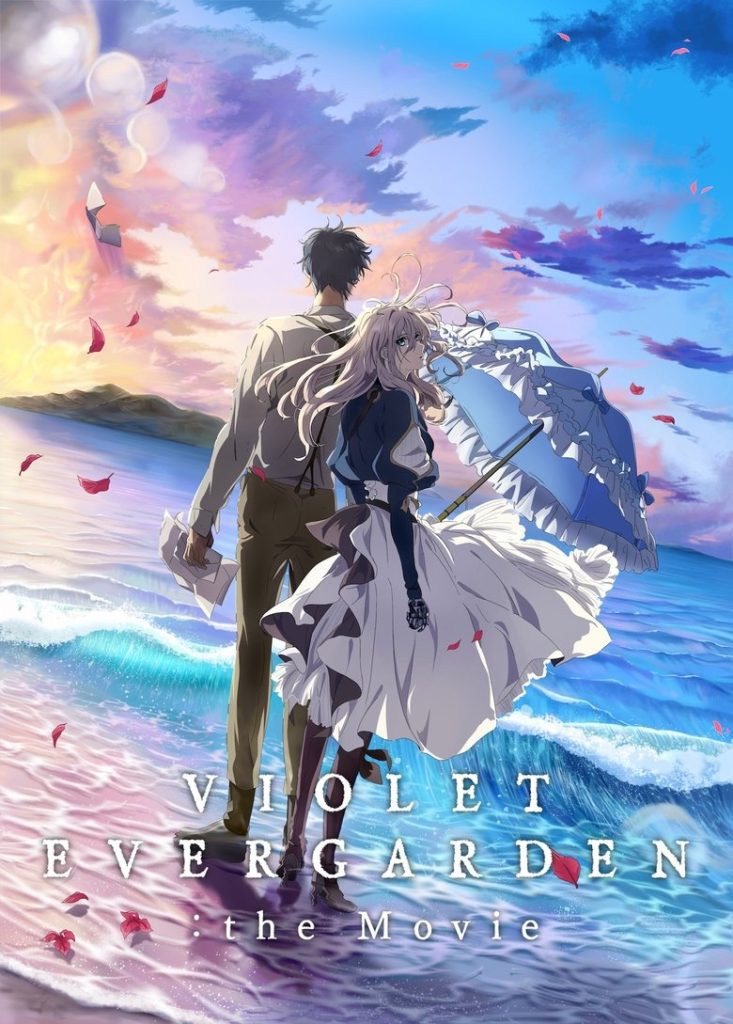
Story overview
This animated film follows Violet Evergarden, a young woman who works as an Auto Memory Doll writing letters for others while searching for meaning after a war. As technology advances in her world, she continues to hope for a reunion with her former commanding officer who disappeared. The story explores themes of love, loss, and emotional healing through beautifully animated sequences and character development.
Parent Guide
A thoughtful animated drama exploring emotional healing and relationships, best for mature children who can handle themes of loss.
Content breakdown
References to past war experiences without graphic violence shown. Some emotional tension related to separation and loss.
Themes of grief and emotional pain may be intense for sensitive viewers. No jump scares or horror elements.
No offensive language noted. Polite, formal dialogue throughout.
No sexual content or nudity. Relationships are portrayed emotionally rather than physically.
No substance use shown or referenced.
Strong emotional themes of loss, longing, and healing. Characters experience significant emotional journeys that may resonate deeply.
Parent tips
This film deals with mature themes of grief, loss, and emotional recovery in a thoughtful, artistic way. While animated, it's not designed for young children due to its complex emotional content and 140-minute runtime. The pacing is deliberate and contemplative, which may challenge younger viewers' attention spans. Parents should be prepared to discuss themes of war aftermath, separation, and how people process difficult emotions.
Parent chat guide
Parent follow-up questions
- What colors did you like in the movie?
- How did the characters show they cared about each other?
- What was your favorite part to watch?
- How did the music make you feel?
- What would you draw from the movie?
- What do you think Violet was looking for?
- How did the characters help each other?
- What did you notice about how people communicated in the story?
- How did the setting change from beginning to end?
- What emotions did you see the characters feeling?
- What does the movie show about dealing with loss?
- How does Violet's job help her understand emotions?
- What themes about change and technology did you notice?
- How do the characters show resilience?
- What did you think about the pacing and style of the animation?
- How does the film explore the concept of emotional healing?
- What commentary does it offer about post-war society?
- How does the animation style contribute to the emotional tone?
- What did you think about the portrayal of hope versus reality?
- How does the film handle the theme of moving forward while honoring the past?
🎭 Story Kernel
The film explores the profound human need for closure and connection through communication. Violet's journey is driven by her quest to understand the final words of her commander, Major Gilbert, which becomes a metaphor for processing grief and finding purpose beyond trauma. The narrative examines how letters—carefully crafted words—can heal both writer and recipient, serving as emotional time capsules that transcend physical absence. It's ultimately about learning to live with loss rather than overcoming it, and how love persists through memory and expression.
🎬 Visual Aesthetics
Kyoto Animation's signature watercolor aesthetic creates a tactile, emotionally resonant world where every raindrop and sunbeam feels intentional. The camera lingers on hands—writing, holding objects, touching—emphasizing the physicality of communication. The color palette evolves with Violet's emotional state: muted blues and grays during her grief give way to warmer golds and greens as she finds peace. Symbolic framing places characters in doorways and windows, visually representing emotional thresholds and connections between separated individuals.
🔍 Details & Easter Eggs
💡 Behind the Scenes
The film's production faced significant challenges when Kyoto Animation's studio was attacked by an arsonist in 2019, killing 36 staff members. The completed film includes credits honoring those lost, making its themes of grief and resilience particularly poignant. Director Taichi Ishidate deliberately extended certain silent scenes to allow emotional weight to settle, resulting in a pacing that differs from the television series. The soundtrack by Evan Call incorporates leitmotifs from the series while introducing new themes for the film's more contemplative tone.
Where to watch
Choose region:
- Netflix
- Netflix Standard with Ads
- Amazon Video
- Apple TV
- Fandango At Home
Trailer
Trailer playback is unavailable in your region.