
WALL·E (2008)
Story overview
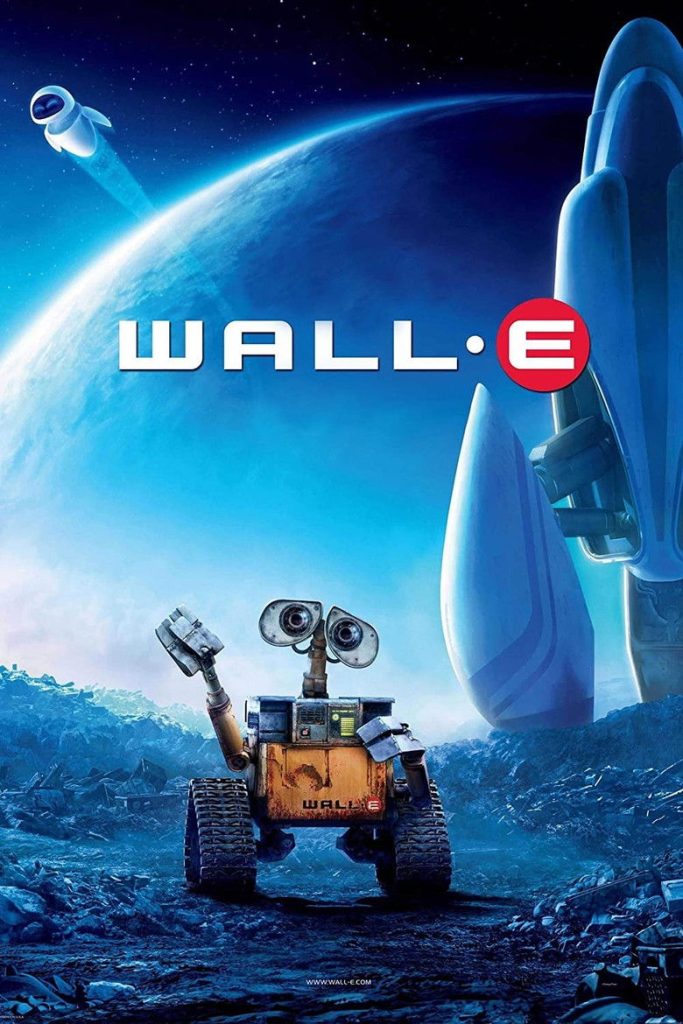
WALL·E is a charming animated film set in a future where humanity has abandoned Earth, leaving behind a waste-collecting robot. The story follows WALL·E as he discovers a new purpose when he meets EVE, a sleek robot sent to search for signs of life. Their adventure across space explores themes of environmental responsibility, loneliness, and connection, ultimately showing how even small actions can inspire hope for the planet's future.
Parent Guide
A gentle, visually stunning film with important environmental themes, suitable for all ages with minimal concerning content.
Content breakdown
Some mild peril when robots malfunction or chase characters, but no graphic violence or injuries.
The depiction of a desolate, trash-covered Earth and some tense moments with malfunctioning robots might be slightly unsettling for very young children.
No offensive language; communication is primarily through robot sounds and minimal dialogue.
No sexual content or nudity; robots show affection through holding hands and gentle interactions.
No depiction of substance use of any kind.
Mild emotional moments related to loneliness, friendship, and environmental themes, but nothing overwhelming for children.
Parent tips
WALL·E is a gentle, largely dialogue-free film that uses visual storytelling to convey its messages about environmental stewardship and human connection. The G rating makes it suitable for all ages, though younger children might find some scenes with malfunctioning robots or the depiction of a desolate Earth mildly unsettling. The film's themes of consumerism, environmental neglect, and technology dependence provide excellent conversation starters for families about real-world issues.
Parent chat guide
Parent follow-up questions
- What sounds did WALL·E make when he was happy?
- What was your favorite robot in the movie?
- How did WALL·E and EVE become friends?
- What did WALL·E like to collect?
- How did the movie make you feel?
- Why do you think Earth looked so different in the movie?
- How did WALL·E show he cared about EVE without words?
- What do you think the humans learned from WALL·E?
- Why was it important that WALL·E found the plant?
- What would you do if you were the last person on Earth?
- What message do you think the movie has about taking care of our planet?
- How did technology help and hurt the humans in the story?
- What does the movie show about loneliness and connection?
- Why do you think the robots seemed more 'alive' than the humans at first?
- How can small actions, like WALL·E's, make big differences?
- What commentary does the film make about consumerism and environmental neglect?
- How does the film use visual storytelling instead of dialogue to convey emotions?
- What parallels can you draw between the movie's future and current environmental challenges?
- How does the relationship between WALL·E and EVE challenge traditional ideas about connection?
- What does the ending suggest about hope and responsibility for future generations?
🎭 Story Kernel
At its core, WALL·E explores humanity's self-inflicted exile from authentic existence. The film isn't about environmentalism as a political message but about consumerism's spiritual cost—how convenience divorced us from purpose and connection. WALL·E's compulsion to collect and preserve human artifacts represents our lost capacity for wonder, while EVE's directive to find plant life symbolizes our severed relationship with nature. The humans aboard the Axiom aren't villains but victims of their own engineered comfort, floating through existence without agency until WALL·E's determination and EVE's discovery trigger their reawakening. The real conflict isn't robot versus system but memory versus oblivion.
🎬 Visual Aesthetics
Pixar masterfully uses visual language to communicate without dialogue for nearly half the film. The Earth sequences employ a desaturated, dusty palette that gradually gives way to the Axiom's sterile blues and whites, creating visual tension between organic decay and artificial perfection. WALL·E's design—rusty, boxy, practical—contrasts with EVE's sleek, white, floating elegance, visually representing their complementary natures. The camera often adopts WALL·E's low-angle perspective, making trash mountains feel monumental and emphasizing his smallness against vast landscapes. The 'Hello, Dolly!' musical numbers aren't just nostalgia but visual shorthand for human connection WALL·E yearns to understand.
🔍 Details & Easter Eggs
💡 Behind the Scenes
Director Andrew Stanton insisted on minimal dialogue, drawing inspiration from silent films and Buster Keaton's physical comedy. Sound designer Ben Burtt created WALL·E's voice using a combination of a Macintosh computer voice synthesizer and actual electronic equipment sounds. The film's development involved NASA consultants to ensure accurate physics in space sequences. Pixar animators studied trash compaction machinery and visited recycling plants to make WALL·E's movements authentic. The film contains numerous homages to 2001: A Space Odyssey, particularly in HAL-like Auto and the star-child imagery during the space dance sequence.
Where to watch
Choose region:
- Disney Plus
- Amazon Video
- Apple TV
- Google Play Movies
- YouTube
- Fandango At Home
Trailer
Trailer playback is unavailable in your region.