
War Dog: A Soldier’s Best Friend (2017)
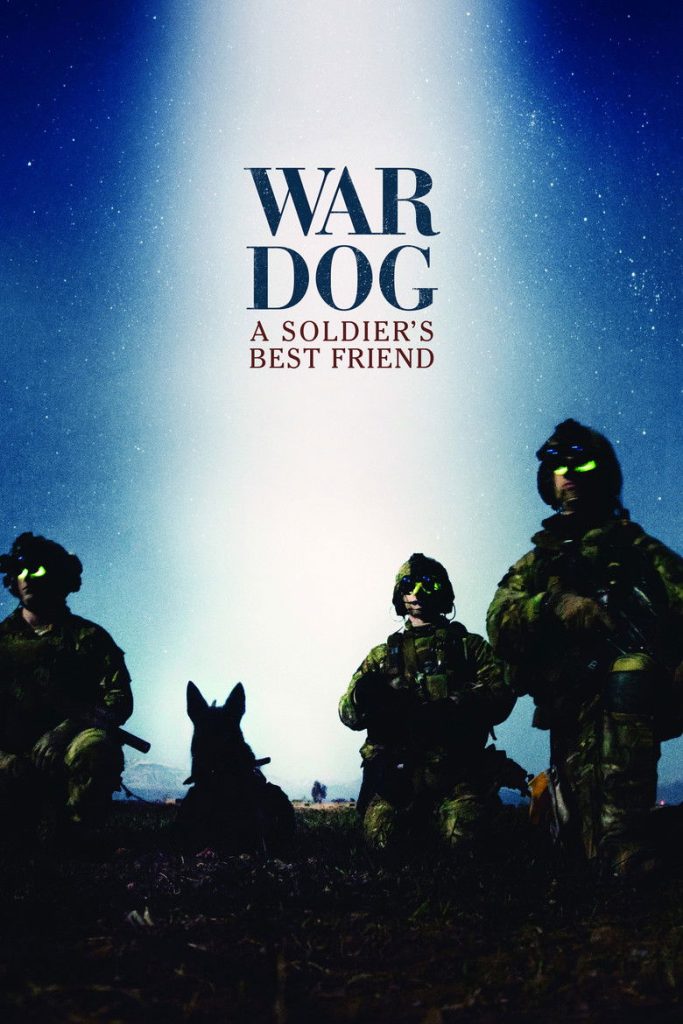
Story overview
This 2017 documentary explores the deep, emotional bonds between military working dogs and their human handlers, focusing on their training, deployment, and the challenges they face together in service. It highlights the loyalty, courage, and mutual dependence that define these partnerships, offering an intimate look at the lives of both the dogs and soldiers.
Parent Guide
This documentary is generally appropriate for children ages 8 and older, with parental guidance recommended due to its emotional and thematic depth. It focuses on the positive aspects of human-animal bonds in a military context but includes mature topics that may require discussion.
Content breakdown
The documentary may include references to or depictions of military training, deployment, and potential dangers faced by dogs and handlers, but it is not graphic or intense. Scenes might show simulated combat or stressful situations without explicit violence.
Some scenes could be emotionally intense, dealing with separation, risk, or the hardships of service, which might be unsettling for younger or sensitive viewers. The focus is on resilience and bonding, but the context of war may evoke concern.
As a documentary, it is unlikely to contain strong or offensive language. Any dialogue is expected to be respectful and appropriate for the TV-14 rating, with no notable issues.
No sexual content or nudity is present; the film centers on professional and platonic relationships between handlers and dogs.
No depiction or reference to substance use; the content is focused on military service and animal training.
The documentary explores deep emotional themes such as loyalty, sacrifice, and the stress of military life, which can be impactful. It may evoke strong feelings about war, animal welfare, or human connections, but it is handled in a thoughtful, documentary style.
Parent tips
This documentary is suitable for most children ages 8 and up, but parents should be aware of its emotional themes. It deals with military service, separation, and the risks faced by both dogs and handlers, which may be intense for sensitive viewers. The TV-14 rating likely reflects these mature topics rather than graphic content. Watch together to discuss the documentary's portrayal of duty, sacrifice, and animal welfare.
Parent chat guide
Parent follow-up questions
- Did you like the dogs in the movie?
- What do you think the dogs and soldiers do together?
- How did the movie make you feel?
- What was the most interesting thing you learned about the dogs?
- Why do you think the dogs and handlers work so well as a team?
- How do you think the soldiers feel when they're away from home?
- How does the documentary show the challenges of military service for both dogs and humans?
- What does this film teach us about loyalty and partnership?
- Do you think it's important to show stories like this? Why or why not?
- How does the film handle the emotional weight of war and service through the lens of animal-human relationships?
- What ethical questions might arise from using animals in military roles, as shown in the documentary?
- How does this documentary compare to other war or animal films you've seen in terms of impact and message?
🎭 Story Kernel
At its core, 'War Dog: A Soldier's Best Friend' explores the profound, non-verbal contract between handler and canine that transcends military protocol. The film posits that in the desolation of conflict, the most reliable form of intelligence isn't technological, but instinctual—a partnership built on mutual survival rather than command. The human characters are driven by a need for control in an uncontrollable environment, while the dogs operate on pure loyalty and training, creating a fascinating tension between human strategy and animal intuition. The narrative reveals that the real mission isn't about completing objectives, but about preserving a sliver of innocence and trust amidst mechanized brutality.
🎬 Visual Aesthetics
The cinematography employs a stark, desaturated palette for combat zones, making the vibrant energy of the dogs—often shot with dynamic, ground-level tracking shots—visually pop as symbols of life. Handheld camerawork during tense patrol sequences immerses the viewer in the soldiers' hyper-vigilance, while slower, steadier shots focus on the quiet moments of connection between handler and dog, emphasizing their unique bond. The film cleverly uses the dog's point-of-view shots, blurry and scent-focused, to contrast human perception with canine instinct. Explosions and gunfire are shot with jarring, chaotic edits, making the dogs' disciplined responses seem like islands of order in the visual madness.
🔍 Details & Easter Eggs
💡 Behind the Scenes
The canine actors were primarily Belgian Malinois, a breed favored by real military and police units for their intelligence and drive. Several key handlers in the film are portrayed by actual former military dog handlers, lending authenticity to the protocols and bonding scenes. Filming took place in remote areas of New Mexico, chosen for their resemblance to certain Middle Eastern operational theaters. The production worked closely with military K-9 units to ensure accurate depiction of search patterns and commands, with trainers on set to manage the complex action sequences involving the animals.
Where to watch
Choose region:
- HBO Max
- HBO Max Amazon Channel
- Amazon Video
- Apple TV Store
- Google Play Movies
- YouTube
- Fandango At Home
Trailer
Trailer playback is unavailable in your region.