
Warm Springs (2005)
Story overview
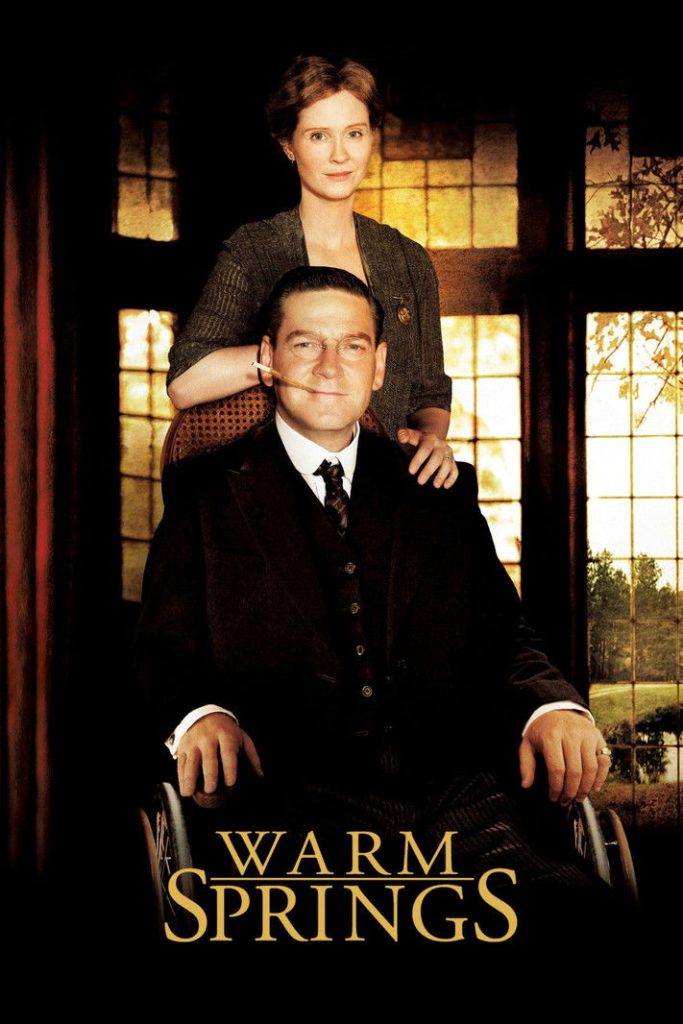
Warm Springs is a 2005 historical drama that portrays Franklin D. Roosevelt's personal struggle after being paralyzed by polio at age 39. The film follows his journey to a remote Georgia rehabilitation center where he seeks physical recovery and emotional healing, depicting his determination, vulnerability, and the relationships that helped him rebuild his life and eventually return to political leadership.
Parent Guide
A thoughtful historical drama suitable for mature children interested in history and character-driven stories. The film handles disability with sensitivity but contains emotionally intense moments that may require parental guidance.
Content breakdown
No physical violence. Some peril related to medical conditions - scenes show Roosevelt struggling with paralysis, falling, and experiencing medical setbacks. Brief depiction of a fire at the rehabilitation center with minimal danger.
Medical realities of polio are shown realistically, including paralysis and rehabilitation struggles. Emotional scenes of frustration and depression may be intense for sensitive viewers. Historical medical equipment and treatments might seem unsettling to some children.
Occasional mild historical-era expressions and period-appropriate language. No modern profanity or offensive language.
No sexual content or nudity. Some mild romantic tension between characters is portrayed respectfully and minimally.
Period-appropriate social drinking in a few scenes (wine at dinner, cocktails). No intoxication or substance abuse depicted.
High emotional content as Roosevelt grapples with disability, depression, and identity crisis. Scenes of frustration, vulnerability, and determination are central to the narrative. The film's serious tone and historical context create sustained emotional engagement.
Parent tips
This film offers valuable historical context about FDR's personal challenges, but parents should note: 1) The medical realities of polio in the 1920s are shown realistically, including paralysis and rehabilitation struggles. 2) Emotional intensity is high as Roosevelt grapples with disability and depression. 3) Historical context about disability rights and medical treatment may require explanation. 4) The film's slow pace and serious themes may challenge younger viewers' attention spans. 5) Positive themes of resilience, determination, and overcoming adversity provide excellent discussion opportunities.
Parent chat guide
Parent follow-up questions
- How did the man in the wheelchair move around?
- What helpers did he have?
- How did people show they cared about him?
- Why was it hard for Roosevelt to move his legs?
- What exercises did he do to try to get better?
- How did his family help him during this difficult time?
- How did polio affect Roosevelt's life and career plans?
- What medical treatments were available in the 1920s compared to today?
- How did this experience change Roosevelt's perspective on helping others?
- How did Roosevelt's disability experience influence his New Deal policies?
- What does this film reveal about societal attitudes toward disability in early 20th century America?
- How does the film portray the psychological impact of sudden disability on identity and purpose?
🎭 Story Kernel
At its core, 'Warm Springs' explores the transformation of trauma into purpose. The film isn't about Franklin Roosevelt's polio diagnosis, but about how vulnerability dismantles privilege and forges authentic leadership. Roosevelt's journey from entitled politician to empathetic human being reveals how personal suffering can become political strength. The real conflict isn't Roosevelt versus his body, but Roosevelt versus his own arrogance—the Warm Springs community teaches him humility through shared struggle. The film argues that true leadership emerges not from power maintained, but from power surrendered and rebuilt through genuine connection with ordinary people's experiences.
🎬 Visual Aesthetics
The cinematography employs a deliberate visual dichotomy: the cold, sterile blues of New York political life contrast sharply with the warm, golden hues of Georgia's therapeutic pools. Camera movements mirror Roosevelt's physical journey—initially static and confined when he's bedridden, then gradually gaining fluidity as he regains agency. The swimming sequences use underwater photography to create weightless, almost womb-like imagery of rebirth. Costume design tells its own story: Roosevelt's transition from stiff, formal suits to simpler, more practical clothing visually marks his shedding of aristocratic pretension. The film's most powerful visual metaphor appears in the recurring shots of hands—grasping, letting go, supporting—emphasizing human connection over political maneuvering.
🔍 Details & Easter Eggs
💡 Behind the Scenes
Kenneth Branagh spent months studying Roosevelt's actual physical therapy records and worked with disability consultants to authentically portray the polio recovery process. The production used the real Warm Springs, Georgia locations where Roosevelt established his rehabilitation center, including the historic pools that still exist today. Cynthia Nixon's portrayal of Eleanor Roosevelt involved studying hours of audio recordings to capture her distinctive vocal patterns. The film's swimming sequences required specially designed underwater cameras to capture the therapeutic movements accurately, with Branagh performing many of the pool scenes himself after extensive training with physical therapists.
Where to watch
Choose region:
- HBO Max
- HBO Max Amazon Channel
- Amazon Video
- Apple TV Store
- Google Play Movies
- YouTube