
Water & Power: A California Heist (2017)
Story overview
This 2017 documentary investigates how wealthy individuals and corporations control California's water resources, affecting farmers, residents, and small communities. It explores the economic and social impacts of water privatization and management practices in the state.
Parent Guide
Educational documentary about water resource management with no concerning content for most viewers. Best suited for children mature enough to understand social and economic issues.
Content breakdown
No violence or physical peril depicted. The documentary focuses on economic and social issues.
Some viewers might find discussions of water scarcity and its impacts on communities concerning, but no graphic or frightening imagery.
No offensive language noted. Documentary maintains professional tone throughout.
No sexual content or nudity present.
No depiction of substance use.
Some emotional content related to communities affected by water issues, but presented in a documentary style without dramatic manipulation.
Parent tips
This documentary deals with complex social and economic issues related to water rights and resource management. While rated PG, it may be challenging for younger children due to its subject matter. Consider watching together with older children to discuss the themes of fairness, resource distribution, and environmental stewardship.
Parent chat guide
Parent follow-up questions
- What does it mean to share something fairly?
- Why is water important for people and plants?
- How can we help take care of water?
- Why do you think some people have more water than others in the movie?
- What are some ways communities can work together to share water?
- How does water help farmers grow our food?
- What are the different perspectives on water ownership shown in the documentary?
- How do economic factors influence who has access to water?
- What responsibilities do communities have in managing shared resources?
- What systemic factors contribute to water inequality in California?
- How does this documentary illustrate the tension between private profit and public good?
- What policy solutions might address the issues raised in the film?
🎭 Story Kernel
The film exposes how California's water system has been hijacked by wealthy agricultural interests and political corruption, creating a modern-day feudal system where water flows toward money rather than need. It follows the journey of investigative journalists and activists uncovering how billion-dollar corporations manipulate water rights, leaving small communities with dry wells. The driving force isn't individual villainy but systemic greed—a legalized theft where water becomes currency, and those who control it wield power over life and death in the state's most vulnerable regions.
🎬 Visual Aesthetics
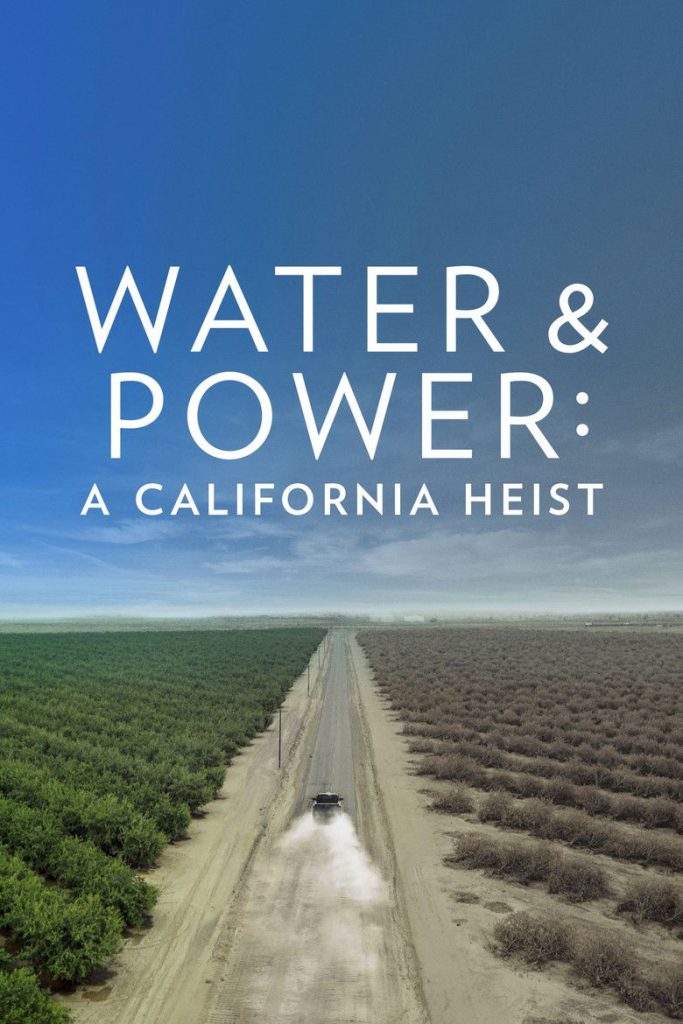
The cinematography employs stark contrasts between lush, irrigated corporate farms and parched residential landscapes, using drone shots to emphasize scale and inequality. A muted, dusty color palette dominates the Central Valley scenes, while corporate offices appear in sterile blues and grays. The camera lingers on empty swimming pools and cracked earth as visual metaphors for scarcity. Interviews are framed intimately against decaying infrastructure, creating a sense of urgency and human cost behind the bureaucratic water wars.
🔍 Details & Easter Eggs
💡 Behind the Scenes
Director Marina Zenovich spent three years gaining access to water district meetings normally closed to the public. Several farmers interviewed received threats after participating. The film's water testing scenes used actual contaminated samples from Central Valley wells, with crew members following strict safety protocols. Former governor Arnold Schwarzenegger appears in archival footage discussing water policy—a segment the filmmakers fought to include despite initial resistance from his office.
Where to watch
Choose region:
- Disney Plus
- Amazon Video
- Apple TV Store
- Google Play Movies
- YouTube
- Fandango At Home
Trailer
Trailer playback is unavailable in your region.