
We Dare to Dream (2023)
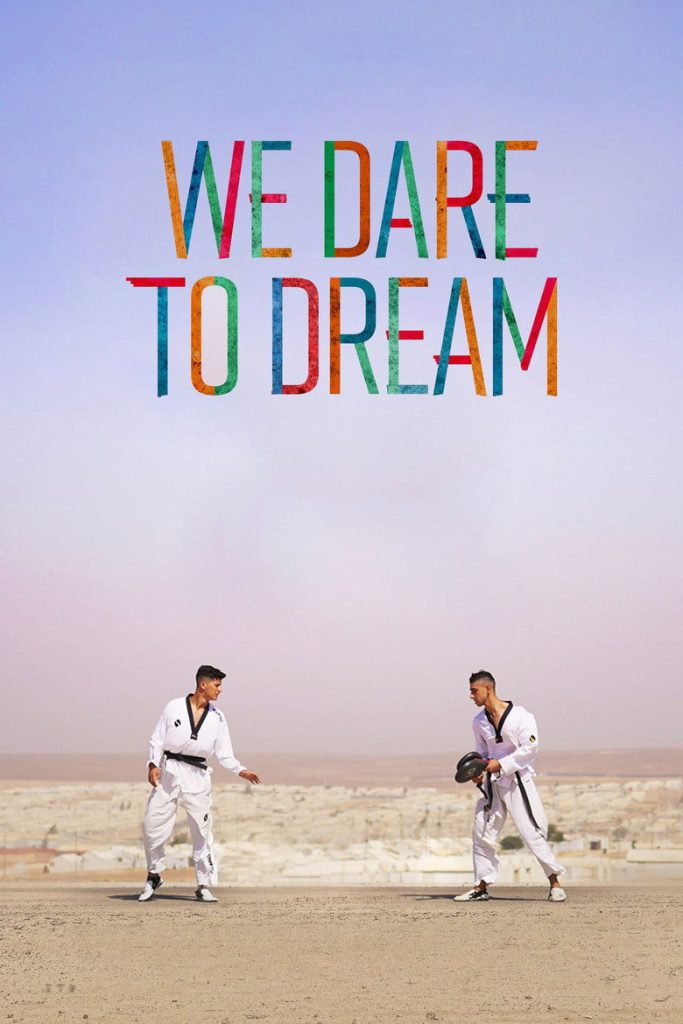
Story overview
This inspiring documentary follows the IOC Refugee Olympic Team as they prepare for, compete in, and reflect on the 2020 Tokyo Games. It offers an intimate look at athletes from 11 countries who have overcome displacement and adversity to compete on the world's biggest sporting stage, highlighting themes of resilience, hope, and global unity.
Parent Guide
A positive, uplifting documentary suitable for most ages, focusing on inspirational stories of refugee athletes without any objectionable content.
Content breakdown
No violence or peril depicted. The film focuses on athletic training and competition, with discussions of past hardships handled sensitively.
Mild emotional moments when athletes discuss displacement or personal struggles, but presented in a thoughtful, non-graphic manner. No frightening imagery.
No offensive language. Conversations are respectful and focused on sports and personal journeys.
No sexual content or nudity. Athletes are shown in standard sports attire during training and competition.
No depiction or mention of substance use.
Emotionally resonant as athletes share their stories of resilience and hope, but overall tone is uplifting and inspiring rather than intense.
Parent tips
This film is an excellent opportunity to discuss themes of perseverance, displacement, and the power of sports to unite people. It portrays athletes as role models of determination. The documentary format is straightforward and suitable for family viewing, with no concerning content. Consider discussing what it means to be a refugee and the importance of inclusion.
Parent chat guide
Parent follow-up questions
- Can you name a sport you saw in the movie?
- What colors were on the athletes' uniforms?
- Did you see anyone smiling after they tried their best?
- Which athlete's story did you find most interesting and why?
- What does it mean to be a 'refugee'?
- How did the athletes support each other as a team?
- What challenges do you think refugee athletes face that others might not?
- How does this documentary change your view of the Olympic Games?
- Why is it important for refugee athletes to have a team to represent them?
- How does the film address the balance between athletic achievement and personal trauma?
- What systemic issues affecting refugees does the documentary highlight or imply?
- In what ways can sports serve as a tool for social change or healing?
🎭 Story Kernel
We Dare to Dream transcends the typical sports documentary by interrogating the very concept of home. Waad al-Kateab shifts her focus from the immediate trauma of the Syrian conflict to the lingering, bureaucratic limbo of the Refugee Olympic Team. The film explores the psychological burden of competing without a national anthem or a flag to ground one's identity. It isn't just about athletic prowess; it's about the exhausting labor of hope. The athletes, hailing from Syria, South Sudan, Iran, and Cameroon, are united not by geography but by the shared experience of displacement. The narrative delves into the irony of the Olympic stage—a place defined by national pride—serving as a platform for those whom the world’s nations have failed. It highlights the resilience required to maintain an elite training regimen while grappling with the visceral pain of separation from family and the uncertainty of legal status.
🎬 Visual Aesthetics
Al-Kateab employs an intimate camera style that bridges the gap between the monumental scale of the Olympics and the claustrophobic reality of the athletes' daily lives. The cinematography contrasts the sterile, high-tech environments of Tokyo’s arenas with the gritty, makeshift training grounds where many of these journeys began. There is a recurring visual motif of thresholds—doorways, borders, and starting blocks—symbolizing the state of permanent transition these individuals inhabit. The use of close-ups captures the micro-expressions of exhaustion and stoicism, stripping away the spectacle to reveal the human cost of the refugee label. The lighting often feels naturalistic and unadorned, emphasizing the documentary’s commitment to raw truth over polished propaganda. This visual groundedness ensures that the film never feels like a corporate endorsement of the IOC, but rather a personal testament to survival and the search for a new beginning.
🔍 Details & Easter Eggs
💡 Behind the Scenes
The documentary is a high-profile collaboration between director Waad al-Kateab, known for her Oscar-nominated For Sama, and producers Angelina Jolie and John Battsek. Jolie’s involvement as an executive producer stems from her long-standing advocacy for refugee rights. The production faced significant challenges due to the COVID-19 pandemic, which delayed the Tokyo 2020 Olympics by a year, mirroring the state of waiting that defines the refugee experience. The film features athletes like Cyrille Tchatchet II and Kimia Alizadeh, providing a rare, behind-the-scenes look at the rigorous selection process and the immense logistical hurdles faced by the IOC Refugee Team.
Where to watch
Choose region:
- Peacock Premium
- Peacock Premium Plus
Trailer
Trailer playback is unavailable in your region.