
We Feed People (2022)
Story overview
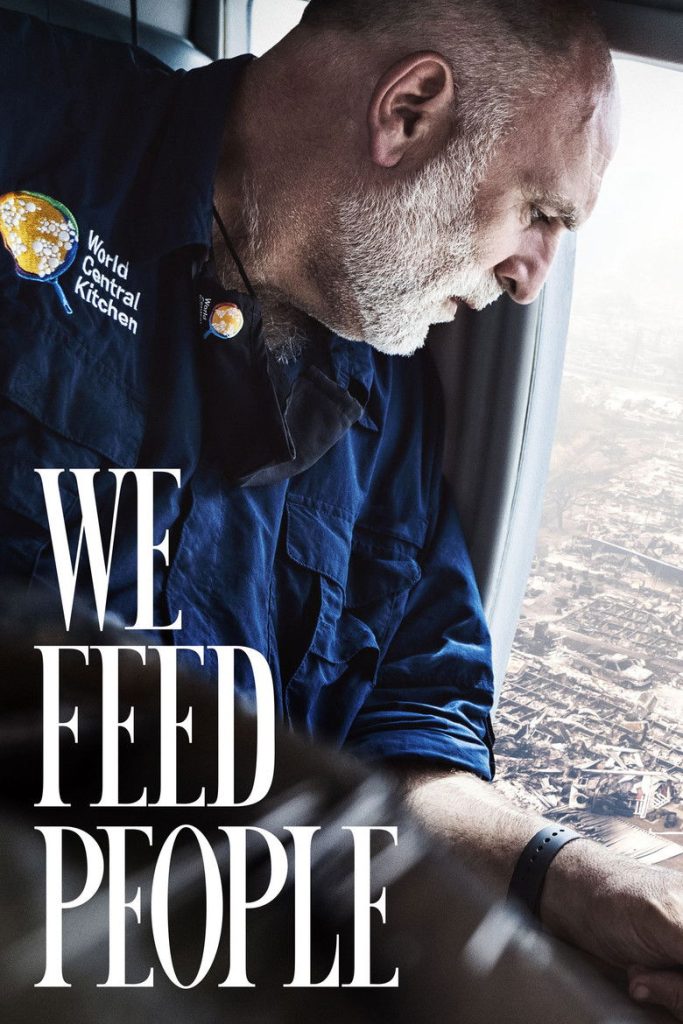
This documentary follows chef José Andrés and his nonprofit World Central Kitchen as they grow from a small volunteer group into a major humanitarian aid organization providing food relief in disaster zones worldwide over 12 years.
Parent Guide
Educational documentary about humanitarian food relief efforts with positive messages about community service and resilience. Suitable for most children with parental guidance for younger viewers due to disaster-related content.
Content breakdown
May show aftermath of natural disasters (damaged buildings, flooding, etc.) but no violent acts or peril to individuals.
Scenes of disaster aftermath could be unsettling for sensitive viewers, but presented in a documentary context focusing on recovery.
No offensive language expected in this documentary.
No sexual content or nudity.
No substance use depicted.
Emotional scenes of people in crisis receiving help, and potentially intense disaster footage. Overall tone is hopeful and uplifting.
Parent tips
This documentary showcases humanitarian work and disaster relief efforts. It may include scenes of natural disasters or crisis situations that could be intense for younger viewers. The content is educational and inspiring, focusing on community aid and resilience.
Parent chat guide
Parent follow-up questions
- What do you think the chefs are cooking?
- How do you think the food helps people?
- What would you cook to help someone?
- Why do you think José Andrés started this organization?
- What challenges do you think they face when helping people?
- How does food help communities after disasters?
- What makes World Central Kitchen's approach to disaster relief effective?
- How has the organization changed over 12 years?
- What role do volunteers play in humanitarian work?
- What systemic issues in disaster response does this documentary highlight?
- How does this organization balance immediate relief with long-term solutions?
- What ethical considerations arise in humanitarian aid work?
🎭 Story Kernel
The film's core isn't about the logistics of feeding people, but about the radical act of treating disaster victims as guests rather than recipients. Chef José Andrés and World Central Kitchen's mission is driven by a philosophy that hot, culturally appropriate food is a fundamental human right that restores agency in moments of total loss. The real conflict is against bureaucratic inertia and the dehumanizing 'aid industrial complex' that prioritizes metrics over humanity. The characters are driven by a chef's urgency—meals must be served *now*, not after the paperwork is filed—transforming kitchens into front lines of dignity.
🎬 Visual Aesthetics
The cinematography employs a vérité, embedded style, often shooting from within the chaotic action of makeshift kitchens. The color palette shifts dramatically: the warm, vibrant tones of cooking food contrast with the gray, washed-out devastation of post-hurricane landscapes or the cold blues of refugee camps. Camera work is intimate and shaky, placing you amid the chopping, stirring, and serving. Symbolically, the most powerful shots are close-ups on hands—chefs' hands preparing meals and survivors' hands receiving them—making the transaction of aid tangible and personal, not abstract.
🔍 Details & Easter Eggs
💡 Behind the Scenes
Director Ron Howard initially connected with José Andrés while exploring a different project. The documentary was shot verité-style over several years, following WCK to multiple disaster zones including the Bahamas after Hurricane Dorian and during the early COVID-19 pandemic response. Notably, much of the footage was captured by a small, agile crew able to deploy quickly with the relief teams, contributing to the film's immersive, unvarnished feel. The score was composed by frequent Howard collaborator, Hans Zimmer.
Where to watch
Choose region:
- Disney Plus
- Hulu
Trailer
Trailer playback is unavailable in your region.