
We Live in Time (2024)
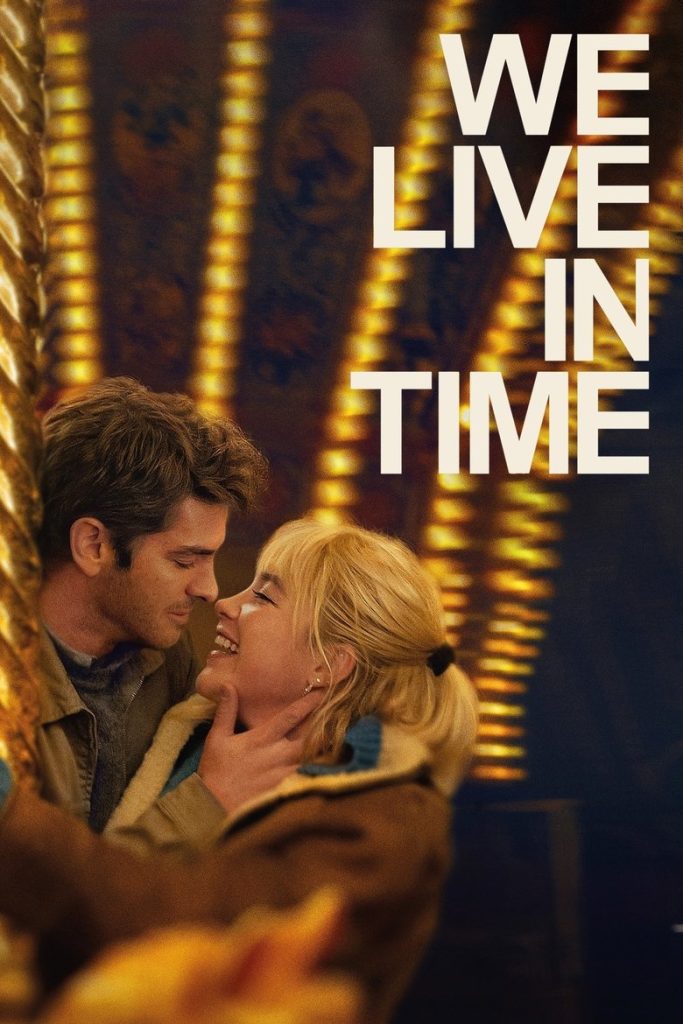
Story overview
We Live in Time is a 2024 romance drama that explores the complexities of a relationship over time. The film follows two characters as they navigate love, challenges, and personal growth. With an R rating, it likely contains mature themes suitable for older audiences.
Parent Guide
R-rated romance drama with mature themes requiring parental guidance for viewers under 17.
Content breakdown
May contain emotional conflicts or tense situations typical of relationship dramas.
Could include emotionally intense scenes or relationship conflicts.
Likely contains some strong language consistent with R rating.
May include romantic situations, kissing, or implied intimacy.
Could include social drinking or similar content.
Explores complex relationship dynamics and emotional challenges.
Parent tips
This R-rated romance drama contains mature content that may not be suitable for younger viewers. Parents should preview the film or research specific content before deciding if it's appropriate for their children. Consider your child's emotional maturity and ability to handle complex relationship themes.
Parent chat guide
Parent follow-up questions
- What colors did you see in the movie?
- Did you hear any music you liked?
- What was your favorite part to watch?
- How did the characters show they cared about each other?
- What was a problem the characters faced?
- What would you do if you were in that situation?
- How do you think the characters changed during the movie?
- What makes a relationship healthy or unhealthy?
- How do people communicate their feelings in the film?
- What themes about love and relationships does this film explore?
- How does the film portray personal growth and change?
- What realistic aspects of relationships does the film show versus romanticized ones?
🎭 Story Kernel
At its core, the film is a meditation on the tension between legacy and presence. By fracturing the timeline, Crowley avoids the mawkish traps of the terminal illness subgenre, instead presenting a portrait of a relationship defined by its interruptions. Almut, a fiercely ambitious chef, and Tobias, a man seeking domestic permanence, are forced to negotiate the terms of their love against the ticking clock of a stage three ovarian cancer diagnosis. It isn't just about dying; it's about the frantic, beautiful struggle to define oneself beyond a biological expiration date. The narrative suggests that meaning isn't found in the chronological accumulation of years, but in the intensity of specific, overlapping memories that refuse to stay in their assigned sequence, creating a life that feels whole despite being cut short.
🎬 Visual Aesthetics
Stuart Bentley’s cinematography employs a tactile, intimate palette that shifts subtly across the film’s three distinct timelines. The visuals prioritize the domestic and the sensory—the steam of a professional kitchen, the soft morning light of a shared bedroom, and the starker, colder hues of the hospital. Symbolism is found in the recurring motif of food preparation, particularly the cracking of eggs, which serves as a metaphor for both the fragility and the potential of life. The non-linear editing creates a visual rhythm where a moment of profound grief is immediately juxtaposed with a moment of slapstick comedy or burgeoning romance, mirroring the chaotic way the human brain processes trauma and joy simultaneously. This visual fragmentation forces the audience to engage with the characters' emotional states rather than just the plot progression.
🔍 Details & Easter Eggs
💡 Behind the Scenes
The film marks a reunion for director John Crowley and actor Andrew Garfield, who previously worked together on the 2007 film Boy A. During production, a promotional still featuring a bizarrely expressive carousel horse went viral, becoming an internet meme months before the film’s release. To prepare for her role as a professional chef, Florence Pugh underwent significant culinary training, and the scenes of her cooking are performed with genuine technical skill. The script, written by Nick Payne, was specifically designed to mirror the fragmented nature of memory, intentionally avoiding a traditional three-act structure to enhance the emotional resonance.
Where to watch
Choose region:
- HBO Max
- HBO Max Amazon Channel
- Cinemax Amazon Channel
- Cinemax Apple TV Channel
- Amazon Video
- Apple TV
- Google Play Movies
- YouTube
- Fandango At Home
- Spectrum On Demand
Trailer
Trailer playback is unavailable in your region.