We Need to Talk About Kevin (2011)
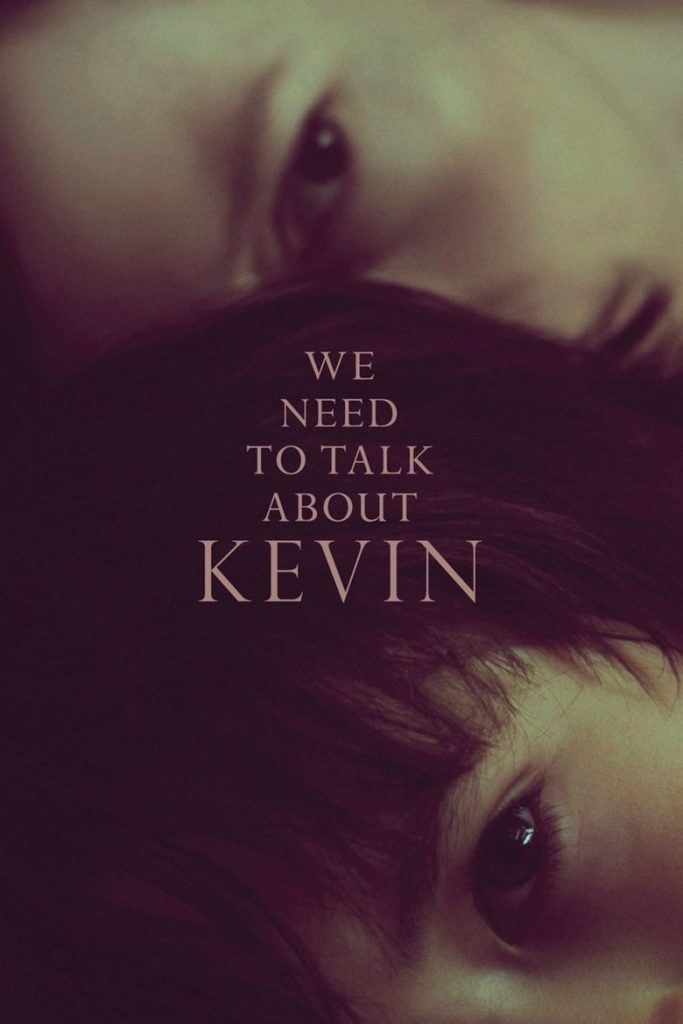
Story overview
This psychological drama explores the strained relationship between a mother and her troubled son, Kevin, from childhood through adolescence. The film uses non-linear storytelling to reveal the mother's perspective as she grapples with guilt, fear, and the aftermath of traumatic events. It examines themes of nature versus nurture, parental responsibility, and the psychological complexities of family dynamics.
Parent Guide
This intense psychological drama contains mature themes and disturbing content suitable only for older teens and adults.
Content breakdown
Contains scenes of violence and peril with serious consequences, though not excessively graphic in depiction.
Features psychologically disturbing content, tense family dynamics, and themes that may be unsettling.
May include some strong language consistent with the intense dramatic context.
May contain brief references or implications but not explicit content.
Could include incidental references but not a central theme.
High emotional intensity throughout with themes of guilt, fear, and family trauma.
Parent tips
This film contains intense psychological themes and disturbing content that may be unsuitable for younger viewers. Parents should be aware that it deals with serious issues including family dysfunction, violence, and emotional trauma. Consider watching it first before deciding if it's appropriate for your teenager, and be prepared to discuss the challenging themes afterward.
Parent chat guide
Parent follow-up questions
- What makes someone a good friend?
- How do you show someone you care about them?
- What do you do when you feel angry or upset?
- Who can you talk to when you're feeling sad?
- What are some ways to be kind to others?
- How do people show they care about each other in families?
- What should you do if you see someone being treated unkindly?
- Why is it important to talk about our feelings?
- How can we help someone who seems sad or angry?
- What makes a family strong and supportive?
- How do parents and children sometimes misunderstand each other?
- What responsibilities do family members have toward each other?
- How can difficult emotions affect our behavior?
- Why is communication important in families?
- What are healthy ways to deal with anger or frustration?
- How does the film explore the nature vs. nurture debate?
- What role does parental guilt play in the story?
- How does the non-linear storytelling affect your understanding of the characters?
- What does the film suggest about the complexity of evil?
- How does the mother's perspective shape the narrative?
🎭 Story Kernel
The film is a profound exploration of maternal ambivalence and the terrifying question of whether evil is innate or cultivated. It's not really about why Kevin commits his atrocity, but about Eva's lifelong interrogation of her own motherhood. Every interaction between mother and son becomes a psychological battleground where love, resentment, and responsibility collide. The non-linear structure forces us to piece together whether Eva's coldness created Kevin's monstrosity or if she was responding to something fundamentally broken within him from the start. The driving force isn't plot progression, but the slow, agonizing revelation of a relationship that was doomed from conception.
🎬 Visual Aesthetics
The film's visual language is dominated by the color red—tomatoes, paint, jam, blood—creating a visceral through-line of violence and menstrual life-force. Director Lynne Ramsay uses extreme close-ups on faces and objects, making mundane moments feel claustrophobic and significant. The camera often observes from Eva's perspective, trapping us in her psychological prison. The contrast between the sterile, bright suburban spaces and the chaotic red-splattered aftermath creates a visual tension that mirrors Eva's internal state. The school shooting itself is shown indirectly through sound and aftermath, making the violence more psychologically impactful than any graphic depiction could achieve.
🔍 Details & Easter Eggs
💡 Behind the Scenes
Tilda Swinton spent time with mothers of violent offenders to prepare for her role, observing their guilt and social isolation. Ezra Miller, who plays teenage Kevin, learned archery to professional competition level. The film was shot in Connecticut, but the production carefully avoided any locations near actual school shootings out of respect. Director Lynne Ramsay fought to maintain the novel's ambiguous tone against studio pressure to provide clearer explanations for Kevin's actions.
Where to watch
Choose region:
- Amazon Prime Video
- Peacock Premium
- Philo
- MUBI
- OVID
- MUBI Amazon Channel
- Fandor Amazon Channel
- Screambox Amazon Channel
- Cineverse
- Midnight Pulp
- Amazon Prime Video with Ads
- Peacock Premium Plus
- Midnight Pulp Amazon Channel
- Pluto TV
- Tubi TV
- Amazon Video
- Apple TV
- Google Play Movies
- YouTube
- Fandango At Home
Trailer
Trailer playback is unavailable in your region.