
We Shall Not Be Moved (2024)
Story overview
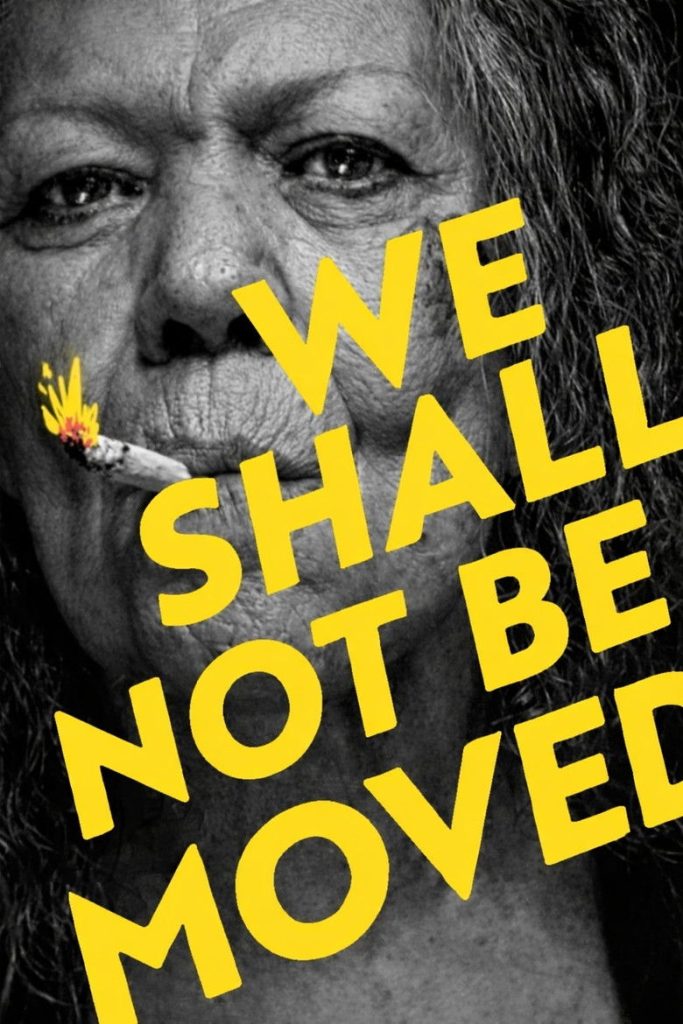
We Shall Not Be Moved is a 2024 drama-comedy film that explores themes of resilience and community through everyday challenges. The story follows characters navigating personal and collective obstacles with humor and determination. It presents a lighthearted yet meaningful look at standing firm in the face of adversity.
Parent Guide
A family-friendly drama-comedy with mild thematic elements suitable for most viewers.
Content breakdown
May include minor conflicts or tense situations typical of dramatic storytelling.
No frightening or disturbing content expected in this genre blend.
May include occasional mild language appropriate for general audiences.
No sexual content or nudity expected in this type of film.
No substance use depicted.
Emotional moments are balanced with comedic elements.
Parent tips
This film is suitable for most family viewing with its blend of drama and comedy. Parents should be aware that while the content is generally mild, the themes of perseverance and community conflict might require some explanation for younger viewers. The movie offers good opportunities to discuss how characters handle challenges and work together.
Parent chat guide
Parent follow-up questions
- What was your favorite funny part in the movie?
- How did the characters help each other?
- What made you smile while watching?
- Can you remember a time you didn't want to give up on something?
- What color or sound did you like best?
- Why do you think the characters decided to 'not be moved'?
- How did the characters use humor when things were difficult?
- What would you do if you faced a similar challenge?
- Which character did you relate to most and why?
- What lesson do you think the movie was trying to teach?
- What does 'We Shall Not Be Moved' mean in the context of the story?
- How did the balance of drama and comedy affect the movie's message?
- What strategies did characters use to overcome obstacles?
- How did community play a role in the characters' decisions?
- What would you have done differently if you were in the story?
- How does the film explore the concept of resilience through both drama and comedy?
- What commentary might the film be making about modern community dynamics?
- How effective was the blending of genres in conveying the themes?
- What real-world situations might parallel the movie's conflicts?
- How does the title reflect both literal and metaphorical meanings in the story?
🎭 Story Kernel
The film explores the paralyzing grip of historical trauma through Socorro, a woman whose life stalled in the aftermath of the 1968 Tlatelolco massacre. Decades later, her existence is defined by a singular, obsessive quest: locating the soldier responsible for her brother’s death. This is not a standard thriller but a psychological study of how unresolved grief curdles into a toxic need for retribution. It examines the failure of institutional justice in Mexico, forcing the protagonist into a moral gray zone where the line between victim and victimizer blurs. The narrative suggests that while the movements of history may stop, the personal momentum of loss continues to vibrate, trapping individuals in a perpetual state of not being moved from their pain or their past, effectively turning a political slogan into a personal prison.
🎬 Visual Aesthetics
Pierre Saint Martin Castellanos utilizes a stark, high-contrast black-and-white palette that strips the modern world of its vibrancy, reflecting Socorro’s internal stagnation. The cinematography emphasizes shadows and tight framing, creating a sense of claustrophobia that mirrors the protagonist's narrow focus on the past. The choice of monochrome serves a dual purpose: it visually links the present day to the archival memory of the 1968 protests while highlighting the textures of aging and decay. The camera often lingers on Socorro’s face, capturing the etched lines of a life spent in mourning. This visual austerity forces the audience to confront the harsh reality of her obsession without the distraction of color, making the eventual confrontation feel both inevitable and ghostly, as if the characters are specters inhabiting a world that has moved on without them.
🔍 Details & Easter Eggs
💡 Behind the Scenes
No nos moverán marks the feature directorial debut of Pierre Saint Martin Castellanos. The film was a major critical success at the 39th Guadalajara International Film Festival (FICG), where it swept several key categories, including Best Mexican Feature Film, Best Director, and Best Actress for the legendary Luisa Huertas. Huertas, a veteran of Mexican cinema and theater, delivered a performance widely praised for its restrained intensity. The project reflects a growing trend in contemporary Mexican cinema of revisiting the 'dirty war' era through intimate, character-driven lenses rather than broad historical epics, focusing on the long-term domestic fallout of political violence.
Where to watch
Choose region:
- Disney Plus
- Hulu
Trailer
Trailer playback is unavailable in your region.