
We Stand Alone Together: The Men of Easy Company (2001)
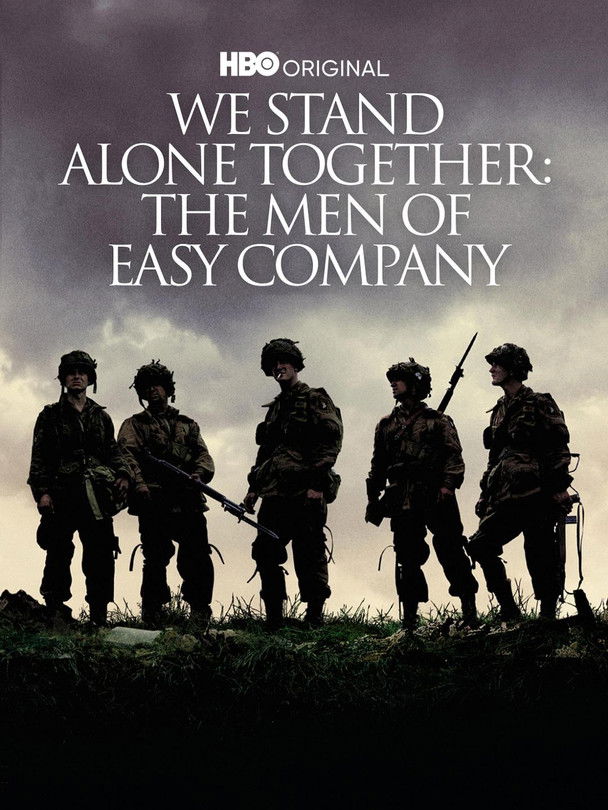
Story overview
This documentary film chronicles the experiences of the soldiers from Easy Company, part of the 506th Parachute Infantry Regiment, during World War II. It features interviews with surviving veterans who share their personal stories from training through major battles like D-Day and the Battle of the Bulge. The film provides historical context about their camaraderie and sacrifices during the war.
Parent Guide
A documentary featuring veterans sharing their World War II experiences. Contains war themes and discussions of combat.
Content breakdown
Discussions of wartime combat and military operations. No graphic violence shown, but descriptions of battles and casualties.
Themes of war and military conflict. Emotional stories from veterans about their experiences.
No concerning language noted in the TV-PG rating.
No sexual content or nudity.
No substance use depicted or discussed.
Emotional stories from veterans about wartime experiences, camaraderie, and loss.
Parent tips
This documentary focuses on real veterans recounting their wartime experiences, which may include discussions of combat, loss, and trauma. While it's rated TV-PG, parents should be aware that the subject matter involves war themes that could be intense for younger viewers. Consider watching together with children to provide context and answer questions about historical events.
Parent chat guide
Parent follow-up questions
- What do soldiers do?
- How do friends help each other?
- What is a team?
- Why do people wear uniforms?
- What is a story about?
- What was World War II?
- Why did these soldiers jump from airplanes?
- How did the soldiers stay friends during hard times?
- What does 'courage' mean?
- Why is it important to remember history?
- What challenges did these soldiers face during training and combat?
- How did their experiences change them?
- What does 'sacrifice' mean in this context?
- Why is it valuable to hear stories from people who were there?
- How do documentaries help us understand history?
- How does this documentary present the reality of war compared to fictional portrayals?
- What insights does this provide about leadership and teamwork under pressure?
- How do personal narratives enhance our understanding of historical events?
- What ethical questions does wartime service raise?
- How might these veterans' experiences relate to modern military service?
🎭 Story Kernel
This documentary strips away the Hollywood heroism to reveal the raw, unvarnished truth of combat: war is primarily about endurance, not epic battles. The real story isn't the dramatic assaults, but the grinding reality of cold, hunger, fear, and the profound connections formed between ordinary men thrust into extraordinary circumstances. It explores how these soldiers found meaning not in abstract patriotism, but in their loyalty to the man next to them—the 'band of brothers' ethos was a survival mechanism as much as a noble ideal. The film's power lies in showing how these men carried both the trauma and the camaraderie home, defining their entire lives.
🎬 Visual Aesthetics
The visual language is deliberately stark and intimate, relying heavily on archival footage, grainy home movies, and contemporary interviews shot in simple, unadorned settings. The color palette is muted—dominated by the browns and greys of European battlefields and the subdued tones of modern-day interiors. This aesthetic rejects cinematic glamour, instead using close-ups on aged, expressive faces to bridge the decades. The editing juxtaposes youthful soldiers in combat with their elderly selves, creating a powerful visual metaphor for memory and the lasting imprint of war. The camera lingers on pauses and silences, making the veterans' unspoken emotions more eloquent than any narration.
🔍 Details & Easter Eggs
💡 Behind the Scenes
This documentary was created as a companion piece to the 'Band of Brothers' miniseries, featuring interviews conducted during the miniseries' production in 2000-2001. Many veterans visited the Hertfordshire, UK sets, which meticulously recreated European battlefields, creating surreal moments where they confronted simulacra of their past. The production team faced the immense ethical responsibility of accurately portraying living heroes, leading to a collaborative process where veterans reviewed footage. Notably, the interviews were conducted without a live audience or host, allowing for unusually raw and candid reflections, as the men spoke directly to filmmakers they'd grown to trust.
Where to watch
Choose region:
- HBO Max
- HBO Max Amazon Channel