
Welcome to Chechnya (2020)
Story overview
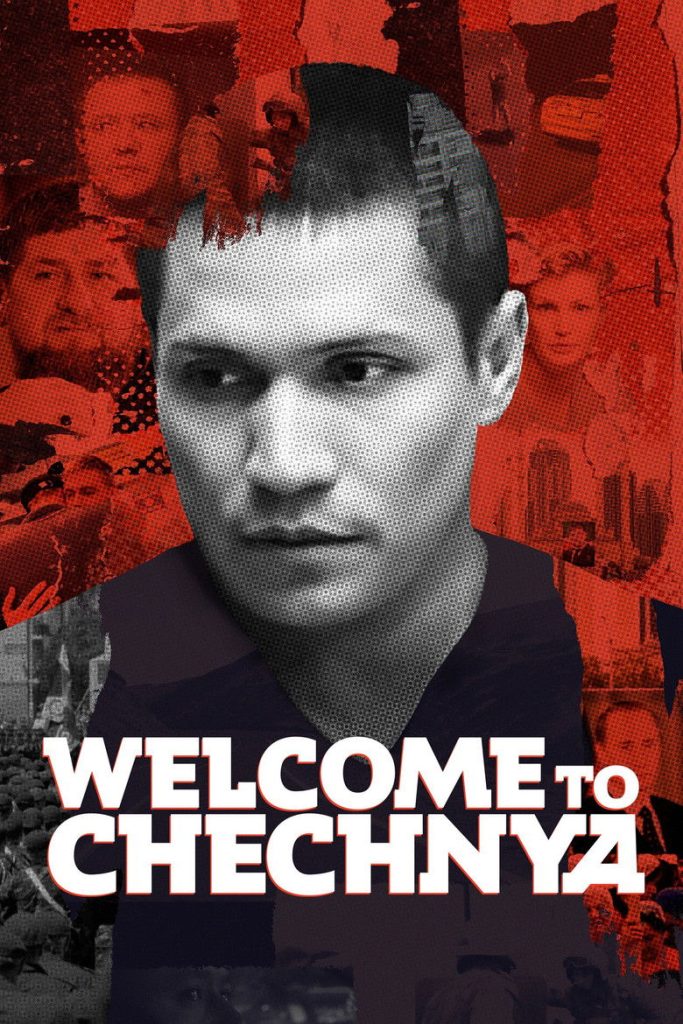
Welcome to Chechnya is a 2020 documentary that follows activists working to protect LGBTQ+ individuals in Chechnya, where they face severe persecution. The film uses digital face-altering technology to protect identities while showing real-life dangers and human rights abuses. It presents disturbing but important truths about oppression and bravery.
Parent Guide
Extremely intense documentary about real persecution and violence. Not suitable for children. Mature teens only with parental guidance.
Content breakdown
Descriptions of torture, kidnapping, beatings, and murder of LGBTQ+ people. Real threats shown through hidden camera footage and interviews. Constant peril for activists and victims.
Deeply disturbing content about systematic persecution, family betrayal, and state-sponsored violence. Emotional interviews with trauma survivors. Digital face masking creates eerie effect.
Some strong language in subtitles/translations including threats and slurs. Not excessive but contextually intense.
No sexual content or nudity. Focus is on persecution, not relationships.
No substance use shown or discussed.
Extremely heavy emotional content - fear, trauma, desperation, and courage. Interviews with people whose lives are in danger. Themes of survival against oppression.
Parent tips
This documentary deals with intense real-world violence and persecution against LGBTQ+ people. It includes descriptions of torture, kidnapping, and murder, though not shown graphically. The emotional content is very heavy. Best for mature teens 16+ who can process human rights issues. Watch together to discuss.
Parent chat guide
Parent follow-up questions
—
—
—
- What did you learn about human rights from this film?
- How do you think the activists felt risking their safety?
- Why do you think some governments persecute LGBTQ+ people?
- What can ordinary people do to support human rights?
🎭 Story Kernel
The film's core isn't just about documenting atrocities but interrogating the very act of documentation under totalitarian violence. It explores how survival becomes a performance—for activists who must conceal identities, for victims whose faces are digitally altered to protect them, and for the state that performs denial. The driving force is the tension between the urgent need to bear witness and the ethical dilemma of exposing subjects to further danger. This creates a narrative about visibility as both salvation and threat, where saving lives requires erasing identities from the very evidence meant to validate their suffering.
🎬 Visual Aesthetics
The film's most striking visual element is the digital face replacement technology used to anonymize subjects. This creates an unsettling aesthetic where bodies move with raw emotion but faces are smooth, uncanny masks. The camera often adopts a vérité, shaky style in safe houses, contrasting with static surveillance-like shots of Chechen officials. The color palette leans into harsh fluorescent lights of hideouts versus the cold blues of government buildings. This visual dichotomy mirrors the film's central conflict: intimate humanity versus faceless bureaucracy.
🔍 Details & Easter Eggs
💡 Behind the Scenes
The groundbreaking digital face replacement technology was developed specifically for this film to protect subjects' identities without resorting to blurring or shadow. Director David France and his team worked with a VFX company to map actors' faces onto the real subjects. Much of the footage was captured covertly by activists on the ground, with the film crew often operating remotely or in extreme secrecy. The film's release prompted international condemnation and sanctions, demonstrating its direct real-world impact.
Where to watch
Choose region:
- Amazon Prime Video
- HBO Max
- HBO Max Amazon Channel
- Philo
- MUBI
- Dekkoo
- MUBI Amazon Channel
- Fandor Amazon Channel
- Amazon Prime Video with Ads
- Dekkoo Amazon Channel
- DocuramaFilms Amazon Channel
- Fandango at Home Free
- Amazon Prime Video Free with Ads
- Tubi TV
- Amazon Video
- Apple TV Store
- Google Play Movies
- YouTube
- Fandango At Home
Trailer
Trailer playback is unavailable in your region.