
What Happened, Miss Simone? (2015)
Story overview
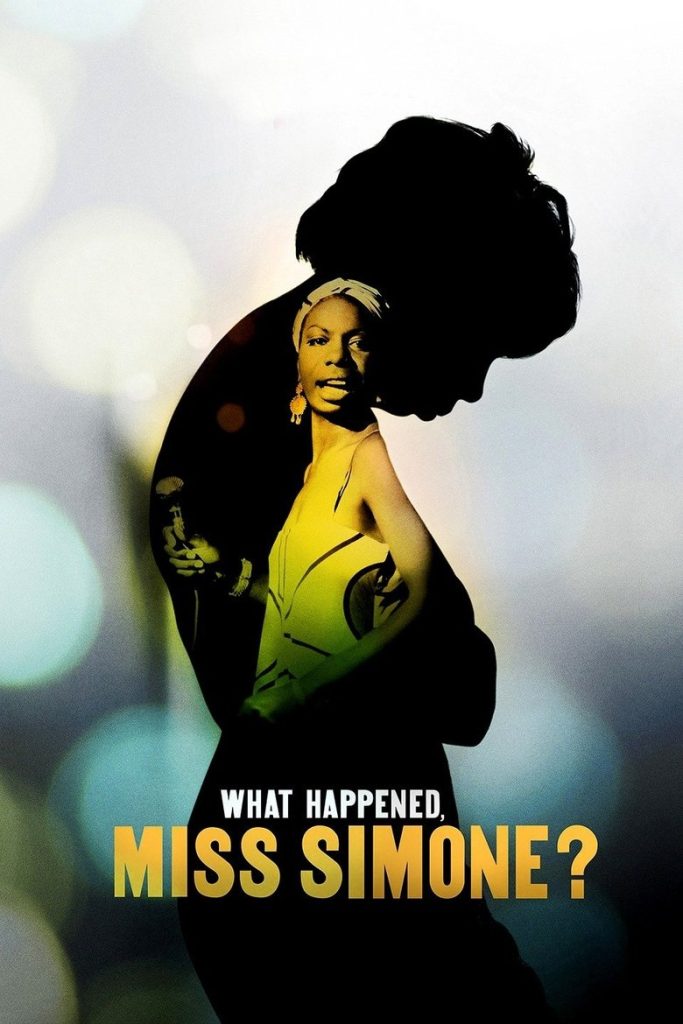
This documentary explores the life and career of legendary musician and civil rights activist Nina Simone. Through archival footage, interviews, and her own recordings, it traces her journey from a classical piano prodigy to a powerful voice in the civil rights movement, while also examining her personal struggles with mental health and relationships.
Parent Guide
A powerful but intense documentary suitable for mature teens with parental guidance. Contains significant historical and emotional content requiring thoughtful discussion.
Content breakdown
Contains archival footage of civil rights era violence including police brutality, protests, and racial confrontations. Some scenes show domestic arguments and emotional abuse. No graphic violence but disturbing historical images.
Disturbing historical footage of racial violence and discrimination. Discussions of mental illness, suicide attempts, and domestic abuse. Emotional intensity throughout as it covers difficult life experiences.
Occasional strong language including racial slurs in historical context, 'hell,' 'damn,' and other profanity. Some crude references in song lyrics and interviews.
References to adult relationships and affairs. Some suggestive lyrics in songs. No nudity or explicit sexual content.
References to alcohol use and prescription medication. Brief discussions of substance use in the music industry context. No glorification of substance abuse.
High emotional intensity throughout. Covers depression, bipolar disorder, career pressures, racial trauma, and family conflicts. Raw, honest portrayal of a complex life that may be emotionally challenging for younger viewers.
Parent tips
This film deals with mature themes including racism, civil rights struggles, mental health issues, and domestic violence. It contains historical footage of protests and racial violence that may be disturbing. Parents should be prepared to discuss America's racial history and mental health sensitively. The documentary includes strong language and frank discussions of adult relationships.
Parent chat guide
Parent follow-up questions
—
- What instrument did Nina Simone play?
- What colors did she like to wear when she performed?
- What was special about her voice?
- Why was Nina Simone important to the civil rights movement?
- How did her childhood experiences shape her music?
- What challenges did she face as a Black woman in the music industry?
- How did Nina Simone's mental health struggles affect her career and relationships?
- What does her story reveal about the pressures on Black artists during the civil rights era?
- How does the documentary balance her artistic genius with her personal flaws?
- What contemporary artists continue her legacy of activism through music?
🎭 Story Kernel
The film is not a simple biography but a forensic examination of how genius, trauma, and political awakening become inseparable. It posits that Simone's unparalleled musical power—her ability to channel sorrow, fury, and transcendence—was directly fueled by her private demons (bipolar disorder, domestic abuse) and her public radicalization during the Civil Rights Movement. The driving force isn't a quest for fame, but a desperate, often painful, need to express an unbearable truth. Her later years of exile and illness are framed not as a decline, but as the logical, tragic consequence of a soul that felt too much, fought too hard, and was ultimately consumed by its own fire.
🎬 Visual Aesthetics
The visual language masterfully mirrors Simone's fractured psyche and legacy. Archival footage is treated not as nostalgic artifact, but as raw evidence—grainy, intimate, and unvarnished. The editing is deliberately jarring, cutting from serene performance clips to violent civil rights footage, visually arguing that her music cannot be separated from the struggle. Interviews are shot in stark, close-up intimacy, forcing confrontation with the pain in her friends' and daughter's eyes. The color palette often drains to monochrome during discussions of her abuse and mental illness, then floods back with color during performance sequences, illustrating the world she escaped into through her art.
🔍 Details & Easter Eggs
💡 Behind the Scenes
Director Liz Garbus constructed the narrative almost entirely from over 100 hours of never-before-heard audio tapes recorded by Simone herself, providing an unnervingly direct access to her inner thoughts. The film's haunting score doesn't rely on obvious Simone hits; instead, it uses isolated vocal tracks, piano rehearsals, and outtakes to create a more raw, vulnerable soundscape. Key interviews, like with her daughter Lisa, were conducted in the actual family home in Liberia, adding a layer of palpable, unresolved history to their testimonies.
Where to watch
Choose region:
- Netflix
- Netflix Standard with Ads
- Amazon Video
- Apple TV Store
Trailer
Trailer playback is unavailable in your region.