
What Happened on September 11 (2019)
Story overview
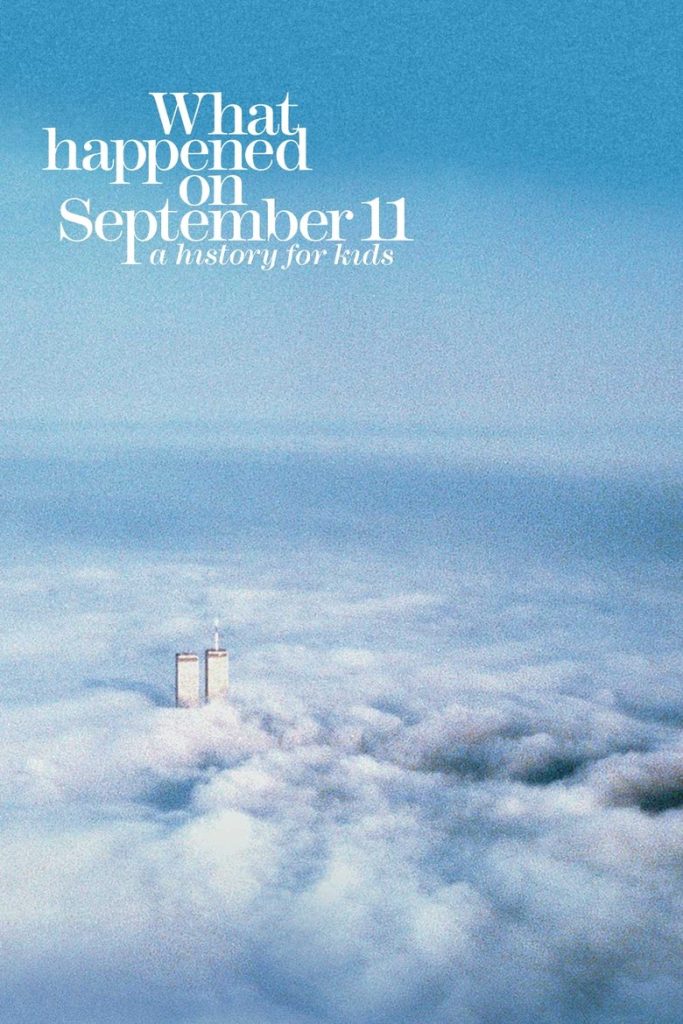
This 30-minute documentary from 2019 provides a gentle, age-appropriate introduction to the September 11, 2001 terrorist attacks for young viewers. Directed by Amy Schatz, it presents historical footage and explanations in a sensitive manner designed to help children understand this significant event without overwhelming them with graphic details.
Parent Guide
A carefully crafted educational documentary that presents challenging historical material in a developmentally appropriate way for elementary school children. The TV-PG rating reflects its thoughtful approach to a difficult subject.
Content breakdown
Contains historical footage of planes hitting buildings and collapsing structures, but presented without graphic detail or close-ups. No depictions of injury or death are shown.
The subject matter is inherently distressing, but the presentation minimizes frightening elements. Children may find the concept of buildings collapsing and national tragedy unsettling. The documentary maintains a calm, explanatory tone throughout.
No inappropriate language. The narration uses age-appropriate vocabulary to explain events.
No sexual content or nudity present.
No depiction of substance use.
Deals with themes of loss, tragedy, and national trauma, but presents them with educational distance and emphasis on community response. May provoke questions about safety, mortality, and why bad things happen.
Parent tips
Watch together with your child to provide context and emotional support. Be prepared to answer questions about why this happened and discuss feelings of sadness or confusion. Emphasize themes of resilience, community response, and historical importance rather than focusing on fear or violence. Consider your child's individual sensitivity to news events before viewing.
Parent chat guide
Parent follow-up questions
- Did you see people helping each other in the movie?
- What buildings did you see?
- How did the movie make you feel?
- What do you think was the most important thing to learn from this movie?
- How do you think people felt on that day?
- Why do we remember things that happened a long time ago?
- What questions do you have after watching this documentary?
- How do you think this event changed America?
- What does 'resilience' mean in the context of this story?
- How does this presentation compare to other accounts of 9/11 you've encountered?
- What responsibility do media creators have when presenting traumatic events to young audiences?
- How can we balance historical accuracy with age-appropriate content?
🎭 Story Kernel
The film is less a linear narrative about September 11th and more an exploration of how trauma fractures and reassembles collective memory. It rejects a single, authoritative 'what happened' in favor of a prismatic view through multiple characters—a first responder, a survivor in the towers, a family member watching on TV, and a journalist. Their drives are not toward heroism or even survival in a traditional sense, but toward bearing witness and constructing a personal narrative from the sensory overload of chaos. The core tension is between the overwhelming, incomprehensible scale of the event and the human need to find a coherent story within it, revealing that 'what happened' is ultimately a deeply personal question.
🎬 Visual Aesthetics
The visual language is deliberately fragmented and subjective. The camera often adopts shaky, handheld perspectives or tight close-ups on bewildered faces, denying the audience a stable, omniscient view. The color palette drains from the mundane blues and grays of a normal morning to the overwhelming monochrome of dust and ash, punctuated only by the violent oranges of flame. Key sequences use split-screen or layered transparency, visually representing the simultaneous, conflicting experiences of different characters. There is a stark contrast between the crisp, distant news footage woven into the film and the granular, chaotic 16mm-style film used for the ground-level perspectives, highlighting the gap between mediated event and lived experience.
🔍 Details & Easter Eggs
💡 Behind the Scenes
To preserve authenticity and respect, the production used extensive archival audio from 911 calls and air traffic control, with actors often listening to these recordings during filming to guide their reactions. Key interior scenes were shot in a meticulously reconstructed set based on blueprints and survivor accounts, as filming at the actual site or a direct replica was deemed inappropriate. Several supporting roles are played by non-professional actors who were first responders or survivors, their presence adding a layer of unscripted verisimilitude to the ensemble scenes.
Where to watch
Choose region:
- HBO Max
- HBO Max Amazon Channel
- Amazon Video
- Apple TV Store
- Google Play Movies
- YouTube
- Fandango At Home
Trailer
Trailer playback is unavailable in your region.