
What the Health (2017)
Story overview
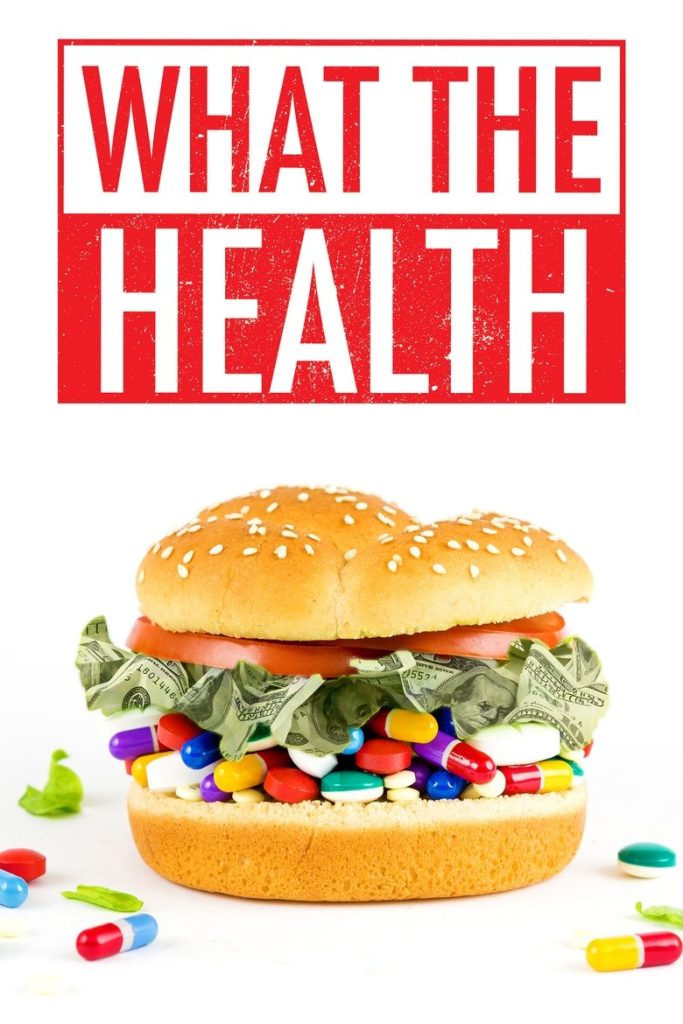
This documentary explores the connections between diet, chronic diseases, and health organizations, presenting a perspective that advocates for plant-based nutrition while questioning mainstream health advice.
Parent Guide
A documentary promoting plant-based diets and questioning health organizations, suitable for older children with parental guidance to discuss its perspective critically.
Content breakdown
No violence or peril depicted.
Some discussion of chronic diseases and health consequences, but no graphic medical imagery. May be concerning for sensitive children worried about health.
No offensive language noted.
No sexual content or nudity.
No substance use depicted.
Emotional intensity comes from the documentary's strong advocacy position and questioning of authority, which may provoke strong reactions or concern about health information.
Parent tips
This documentary presents strong opinions about nutrition and health organizations. It may be suitable for older children interested in health topics, but parents should be prepared to discuss its claims critically, as it promotes a specific dietary viewpoint and questions established health authorities.
Parent chat guide
Parent follow-up questions
—
- What did you learn about healthy foods?
- Why do you think the filmmaker wants people to eat more plants?
- What evidence did the documentary present to support its claims?
- How might different people have different opinions about what's healthy?
- Why is it important to check information from multiple sources?
- What biases might be present in this documentary's presentation?
- How does this film's perspective compare to mainstream nutritional advice?
- What responsibility do filmmakers have when presenting health information?
- How can viewers critically evaluate documentary claims?
🎭 Story Kernel
The film is not a traditional narrative but a persuasive investigation, expressing the core theme that major health organizations and the medical industry are financially compromised by animal agriculture, deliberately obscuring the link between diet and chronic disease. The driving force is filmmaker Kip Andersen's quest for answers after his family's health struggles, transforming into a muckraking journey that frames the food system as a conspiracy of silence. It argues that profit motives override public health, positioning plant-based eating not as a lifestyle choice but as a medical imperative being systematically suppressed.
🎬 Visual Aesthetics
The visual language employs a stark, contrasting palette. Clean, bright shots of vibrant produce and healthy individuals are juxtaposed with grim, industrial footage of factory farms and graphic medical procedures. The camera work is often handheld, creating a sense of urgent, guerrilla journalism during confrontational phone calls and door-step interviews. Symbolism emerges through recurring visuals: sizzling meat framed as a health hazard, and the sterile, corporate lobbies of health associations representing institutional barriers. The style is less about artistic flourish and more about evidentiary montage, using visuals as direct arguments.
🔍 Details & Easter Eggs
💡 Behind the Scenes
The film is a follow-up by director Kip Andersen to his earlier documentary 'Cowspiracy,' shifting focus from environmental to health arguments. It faced significant criticism from scientists and health professionals for cherry-picking data and making overstated causal claims. Notably, several health organizations featured, like the American Diabetes Association, disputed how their interviews were edited and presented. The production relied heavily on undercover-style filming and ambush interviews, contributing to its controversial and confrontational tone.
Where to watch
Choose region:
- Netflix
- Netflix Standard with Ads
- Amazon Video
- Apple TV Store
- Google Play Movies
- YouTube
Trailer
Trailer playback is unavailable in your region.