
What the Shark? (2020)
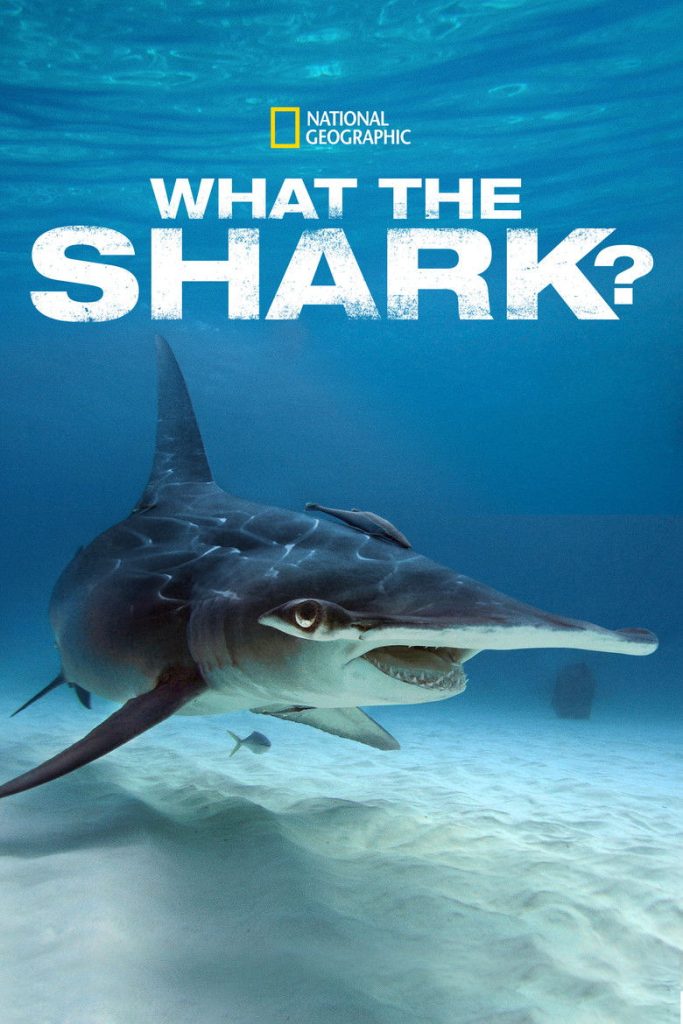
Story overview
This 2020 South African documentary TV movie explores the fascinating world of sharks in the deep ocean, focusing on their remarkable adaptations for survival in extreme environments. The 44-minute film provides educational insights into marine biology and shark behavior without dramatic storytelling or human characters.
Parent Guide
Educational documentary about deep-sea sharks with no concerning content beyond natural predator behavior. Best for elementary school children and older who can understand scientific concepts.
Content breakdown
Sharks are shown hunting and feeding on fish as part of natural behavior. No graphic violence or injury to humans is depicted.
Some children might find deep-sea environments or close-up shots of sharks intimidating. The documentary maintains a scientific tone without horror elements.
No offensive language. Uses scientific terminology appropriate for an educational documentary.
No sexual content or nudity. Focus is entirely on marine biology.
No depiction of alcohol, drugs, or tobacco use.
Maintains calm, educational pacing. Some scenes of predation might briefly elevate tension for sensitive viewers.
Parent tips
This documentary is educational and factual, presenting sharks in their natural habitat without sensationalism. It's suitable for children interested in marine life, but younger viewers might find some deep-sea imagery or shark behavior sequences intense. Consider watching together to discuss the scientific content and address any concerns about sharks.
Parent chat guide
Parent follow-up questions
- Did you see any big fish in the movie?
- What colors were the sharks?
- Was the ocean pretty?
- What special features help sharks survive in deep water?
- Why do you think sharks are important to the ocean?
- What would you like to learn more about sharks?
- How do the adaptations shown compare to sharks in shallower waters?
- What challenges do scientists face when studying deep-sea sharks?
- How might climate change affect these deep ocean ecosystems?
- What evolutionary advantages do the documented adaptations provide?
- How accurate do you think the documentary's portrayal of shark behavior is?
- What conservation issues might affect these deep-sea shark populations?
🎭 Story Kernel
The film is not about a shark, but about the protagonist's crumbling mental state and the absurdity of modern anxieties. The shark serves as a tangible manifestation of his internal fears—failure, irrelevance, and the unknown. His obsessive quest to prove the shark's existence becomes a desperate attempt to validate his own reality and purpose. The supporting characters, from the dismissive scientist to the skeptical friend, represent societal pressures to conform and dismiss the irrational. Ultimately, the ambiguous ending suggests that whether the shark is real or not is irrelevant; the journey exposes how fear can both paralyze and define us.
🎬 Visual Aesthetics
The cinematography masterfully uses a desaturated, cool color palette dominated by blues and grays, mirroring the oceanic setting and the protagonist's emotional detachment. Shaky, handheld camerawork during tense scenes creates visceral unease, while static, wide shots of the empty ocean emphasize isolation. The shark is rarely shown fully, relying on shadows, distorted POV shots, and sound design to build dread. Key symbolic visuals include recurring shots of murky water surfaces, representing the blurred line between reality and delusion, and the stark contrast between the chaotic boat scenes and the sterile, fluorescent-lit lab sequences.
🔍 Details & Easter Eggs
💡 Behind the Scenes
The lead actor spent two weeks living on a small research vessel to authentically capture the physical and mental fatigue of isolation. The shark was primarily a practical animatronic for close-ups, with CGI used sparingly for wide shots to maintain a tangible, gritty feel. Several key scenes were filmed during an actual storm, forcing improvisation that enhanced the raw, chaotic energy. The director initially pitched the project as a 'psychological thriller with water,' deliberately avoiding the 'shark movie' label to secure funding focused on artistic merit over genre tropes.
Where to watch
Choose region:
- Disney Plus
- fuboTV