
When Marnie Was There (2014)
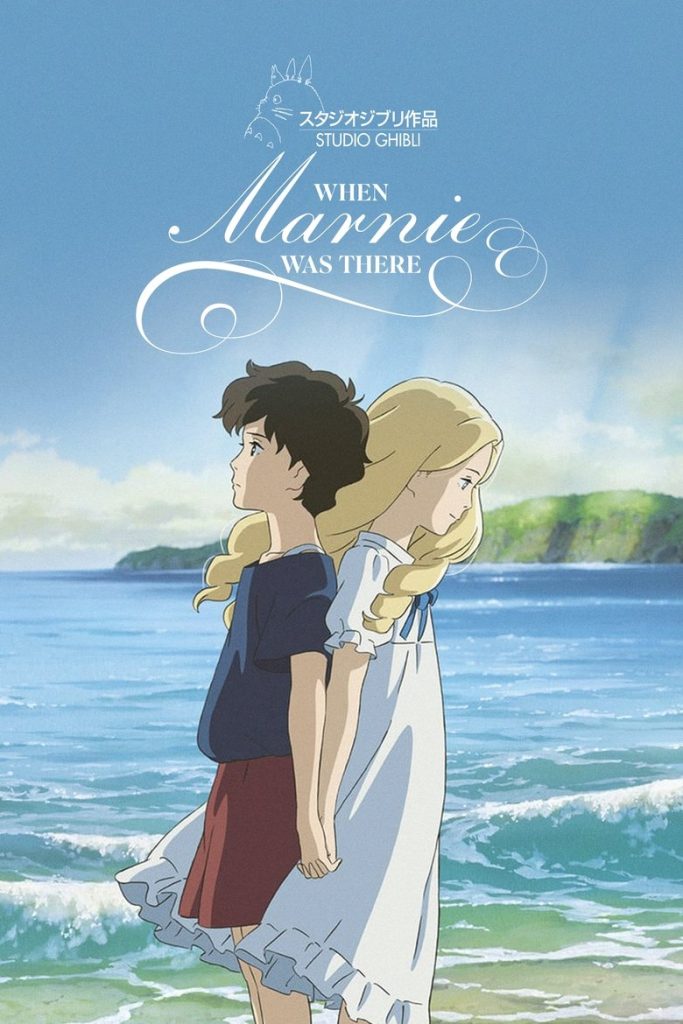
Story overview
When Marnie Was There follows an emotionally withdrawn adolescent girl who is sent to the countryside for health reasons. While there, she becomes fascinated with an abandoned mansion and forms a mysterious friendship with a girl named Marnie who appears there. The film explores themes of loneliness, identity, and the blurred lines between reality and imagination as the protagonist navigates her feelings and uncovers secrets about the past. This gentle mystery unfolds through beautiful animation and emotional storytelling.
Parent Guide
A thoughtful, emotionally complex animated film exploring loneliness, friendship, and memory through a gentle mystery. Best for mature children who can handle ambiguous storytelling and emotional themes.
Content breakdown
No physical violence or peril. Some mild tension related to the mystery and emotional situations.
Atmospheric mystery with abandoned settings and ambiguous supernatural elements. Some children might find the loneliness themes or mysterious tone unsettling.
No offensive language. Polite conversation throughout.
No sexual content or nudity. Some innocent affection between friends.
No substance use depicted.
Significant emotional themes including loneliness, grief, family separation, and identity. The protagonist's emotional journey is central to the story.
Parent tips
This film deals with mature emotional themes including loneliness, grief, and family separation that may be challenging for younger children. The protagonist's emotional distance and the mysterious nature of her friendship with Marnie create a contemplative, sometimes melancholic atmosphere. Parents should be prepared to discuss feelings of isolation and the importance of connection, as well as the film's exploration of memory and reality.
The PG rating reflects some emotional intensity and thematic elements rather than traditional content concerns. While there's no violence, strong language, or sexual content, the film's psychological elements and mysterious tone might be unsettling for sensitive viewers. The story requires patience and emotional maturity to appreciate fully.
Consider your child's comfort with slower-paced, character-driven stories and their ability to handle ambiguous or unresolved emotional situations. The film's beauty lies in its subtlety and emotional depth, which may be most appreciated by children who enjoy thoughtful storytelling over action or comedy.
Parent chat guide
During viewing, pause if needed to check in about confusing or emotional moments. The mysterious elements might raise questions about what's real versus imagined - encourage your child to share their thoughts as the story unfolds. Notice together how the animation creates mood and atmosphere through colors and settings.
After watching, focus on emotional understanding rather than solving the mystery. Ask open-ended questions about how characters felt and why they acted as they did. Discuss how the film shows that everyone carries their own stories and struggles, and how friendship can help us understand ourselves better. Validate any feelings of confusion or sadness the film may have evoked.
Parent follow-up questions
- What was your favorite part of the movie?
- How did the girl feel when she was away from home?
- What made the house by the marsh special?
- What colors did you notice in the movie?
- What does it mean to be a good friend?
- Why do you think the main character felt so lonely at first?
- What clues helped you understand the mystery about Marnie?
- How did the setting (countryside, marsh) affect the story's mood?
- What did the characters learn about friendship?
- How did the movie show that memories can be important?
- How does the film explore the difference between reality and imagination?
- What do you think the story says about dealing with difficult emotions?
- How did the animation style contribute to the mysterious atmosphere?
- What themes about family and identity did you notice?
- Why might someone create imaginary friends or stories when feeling isolated?
- How does the film use visual storytelling to convey emotional states?
- What commentary does the movie offer about mental health and emotional isolation?
- How does the narrative structure (past/present, reality/fantasy) enhance the themes?
- What cultural elements might be specific to Japanese storytelling?
- How does the film handle ambiguity in relationships and memories?
🎭 Story Kernel
The film is less about a supernatural mystery and more about the profound psychological excavation of generational trauma and repressed grief. Anna's journey isn't to solve a ghostly puzzle, but to confront the emotional void within herself—a void created by her mother's death and her subsequent adoption. Marnie represents the unprocessed sorrow and fractured identity Anna has inherited. The revelation that Marnie is her grandmother recontextualizes the entire narrative: this is a story about a girl literally meeting her own history, her lineage of sadness, to finally understand and integrate it, moving from isolation to belonging.
🎬 Visual Aesthetics
Studio Ghibli employs a masterful, melancholic watercolor aesthetic. The marsh house is rendered in soft, dreamlike pastels that blur the line between memory and reality, while Anna's 'real world' is often depicted with cooler, harsher tones. The camera lingers on reflective surfaces—water, windows, mirrors—visually reinforcing themes of identity and duality. The animation of the marsh's tidal rhythms becomes a visual metaphor for the ebb and flow of memory and emotion, with the house appearing and disappearing like a thought surfacing from the subconscious.
🔍 Details & Easter Eggs
💡 Behind the Scenes
The film is based on the 1967 novel by British author Joan G. Robinson, but director Hiromasa Yonebayashi transposed the setting from Norfolk, England, to a fictionalized version of Hokkaido, Japan. This adaptation choice allowed Ghibli to infuse the story with its signature pastoral beauty while maintaining the essential 'otherness' of the marsh setting for the Japanese protagonist. It was speculated to be Studio Ghibli's final film before its temporary production hiatus, adding a layer of poignancy to its themes of endings and legacy.
Where to watch
Choose region:
- HBO Max
- HBO Max Amazon Channel
- Amazon Video
- Apple TV
- Google Play Movies
- YouTube
- Fandango At Home
Trailer
Trailer playback is unavailable in your region.