
When We Were Kings (1996)
Story overview
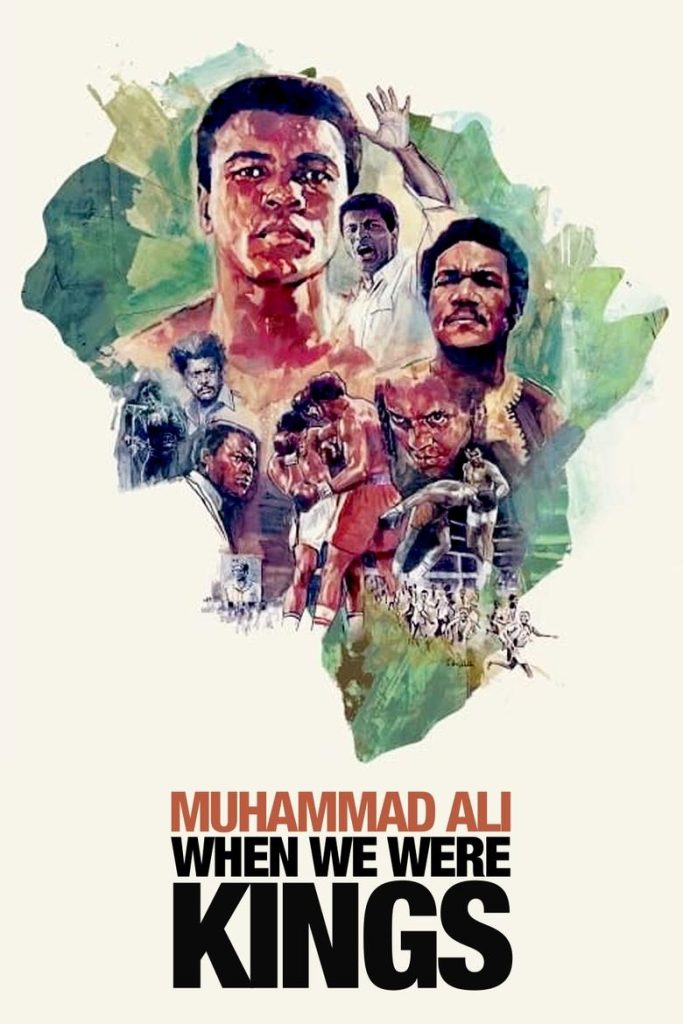
When We Were Kings is a 1996 documentary about the historic 1974 heavyweight boxing match between Muhammad Ali and George Foreman in Zaire, known as the 'Rumble in the Jungle.' The film combines archival footage, music performances, and cultural context to explore this iconic sporting event and its significance. It highlights themes of sportsmanship, cultural exchange, and historical legacy through the lens of boxing and music.
Parent Guide
A documentary about a historic boxing match with mild content suitable for older children, focusing on sports history and cultural themes.
Content breakdown
Includes boxing footage with physical competition, but no graphic violence or injuries shown.
No scary or disturbing content; the tone is historical and informative.
No strong or offensive language expected in this documentary.
No sexual content or nudity present.
No depiction of substance use.
Mild excitement from sports competition and historical significance, but not emotionally intense.
Parent tips
This documentary is suitable for older children and teens interested in sports history or cultural events. Parents should note that it deals with boxing, which involves physical competition, but focuses more on the historical and cultural aspects rather than graphic violence. The PG rating suggests mild content, making it appropriate for family viewing with guidance for younger audiences.
Parent chat guide
Parent follow-up questions
- What did you see people doing in the movie?
- Did you hear any music you liked?
- How do you think the boxers felt before their match?
- Why do you think this boxing match was important?
- What can we learn from how the boxers treated each other?
- How does music help tell the story in this documentary?
- What makes this event a significant part of sports history?
- How does the film show different cultures coming together?
- What qualities do you think made Muhammad Ali a memorable athlete?
- How does the documentary portray the social and political context of the 1970s?
- What role does media play in shaping our memory of historical events?
- In what ways does this film explore themes of identity and legacy?
🎭 Story Kernel
The film transcends sports documentary to explore identity, power, and cultural reclamation. While framed around the 1974 Ali-Foreman fight in Zaire, it's really about Ali's transformation from American boxer to global symbol of Black pride and African consciousness. The narrative tension isn't just who will win the fight, but whose vision of Black excellence will prevail—Foreman's apolitical athleticism or Ali's revolutionary pan-Africanism. The Mobutu regime's sponsorship becomes a third character, revealing how post-colonial African leaders weaponized cultural events for political legitimacy. The documentary ultimately argues that the fight's real victory was Ali's successful exportation of Black American political consciousness to the African continent.
🎬 Visual Aesthetics
The film masterfully blends archival fight footage with contemporary interviews, creating a temporal collage that feels both historical and immediate. The grainy 1970s footage of Zaire pulses with vibrant colors—the deep greens of the jungle, the bright patterns of African textiles, the sweat-sheen on boxers' skin—while modern interviews are crisper but more subdued. Director Leon Gast uses slow-motion sequences not just for dramatic effect but to emphasize the fight's symbolic weight. The most powerful visual motif is the contrast between Ali's animated public performances and his solitary training moments, visually representing his dual role as entertainer and revolutionary. The crowd shots aren't just background—they're a character study of a continent watching its diaspora's champion.
🔍 Details & Easter Eggs
💡 Behind the Scenes
The film's 22-year journey to completion is legendary—director Leon Gast originally went to Zaire to film the music festival accompanying the fight, but the boxing documentary took over. Financial troubles and legal battles kept the footage shelved for decades until a 1990s revival. The iconic soundtrack featuring James Brown and B.B. King was recorded live in Zaire during the actual event. Muhammad Ali's Parkinson's diagnosis during editing forced Gast to reframe the entire narrative around legacy rather than just victory. The film's Oscar win in 1996 came just as Ali was lighting the Olympic flame in Atlanta, creating a perfect real-world epilogue to the documentary's themes.
Where to watch
Choose region:
- HBO Max
- HBO Max Amazon Channel
- Criterion Channel
- The Roku Channel
- Shout! Factory TV
- Amazon Video
- Apple TV
- Google Play Movies
- YouTube
- Fandango At Home
Trailer
Trailer playback is unavailable in your region.