
Whisper of the Heart (1995)
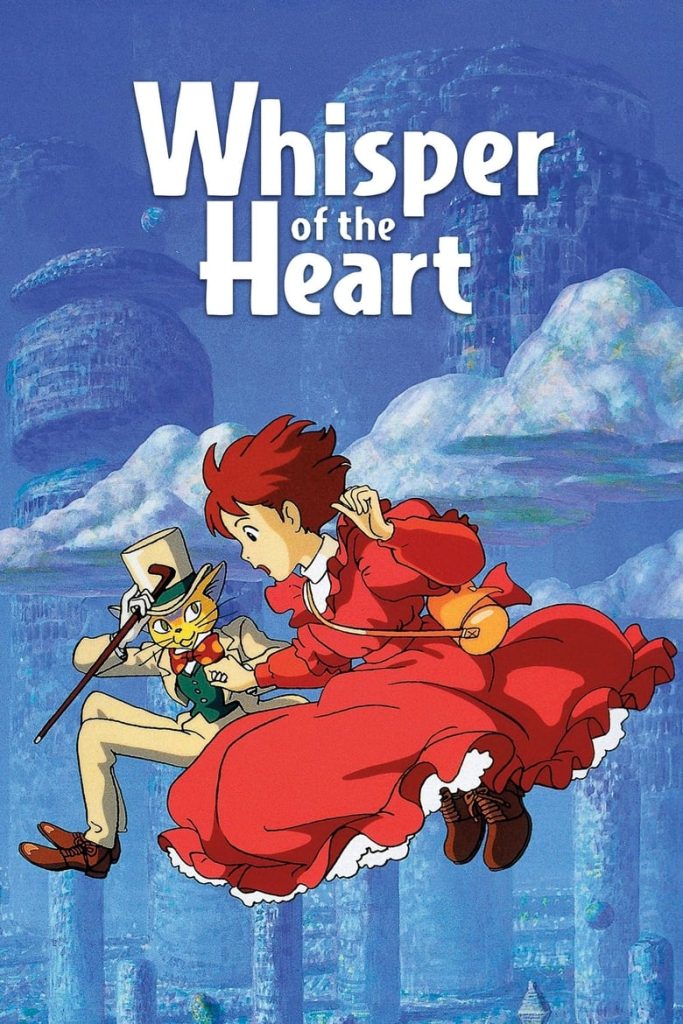
Story overview
Whisper of the Heart is a gentle coming-of-age story about a young girl named Shizuku who discovers her passion for writing. The film follows her journey of self-discovery as she becomes intrigued by a mysterious boy who shares her love for books. Through her experiences, Shizuku learns about creativity, determination, and the importance of pursuing one's dreams. This heartwarming animation celebrates imagination and the quiet moments that shape our lives.
Parent Guide
A gentle, inspiring film about creativity and self-discovery with no concerning content. Suitable for most children who can appreciate character-driven stories.
Content breakdown
No violence, danger, or perilous situations.
Nothing frightening or disturbing; all content is gentle and uplifting.
No offensive language or harsh words.
No sexual content, romance is very mild and age-appropriate.
No depiction of alcohol, drugs, or smoking.
Some emotional moments related to self-doubt and creative struggle, but handled gently.
Parent tips
This is a thoughtful, character-driven film that moves at a deliberate pace, focusing on introspection and personal growth rather than action or adventure. Younger children might find the slower narrative challenging, but the themes of creativity and self-discovery resonate well with school-aged viewers. The G rating reflects its wholesome content, making it suitable for family viewing with no concerning elements.
Parent chat guide
Parent follow-up questions
- What was your favorite part of the movie?
- Did you like the drawings in the movie?
- What do you like to do for fun like Shizuku?
- How did the movie make you feel?
- What colors did you see in the movie?
- What did you think about Shizuku's curiosity?
- Why do you think books were important to Shizuku?
- Have you ever discovered something interesting like Shizuku did?
- What does it mean to have a dream or goal?
- How did Shizuku show she was determined?
- How did Shizuku's discovery change her perspective?
- What does the film say about following your passions?
- How does the movie portray the process of creative work?
- What qualities make someone a good friend or supporter?
- Why is self-discovery important during growing up?
- How does the film explore the relationship between inspiration and hard work?
- What commentary does the movie offer about finding one's path in life?
- How does the animation style contribute to the storytelling?
- What universal themes about adolescence does this film address?
- How does the film balance realism with moments of wonder?
🎭 Story Kernel
The film explores the terrifying, exhilarating process of artistic self-discovery through Shizuku, a 14-year-old who learns that talent isn't innate but earned through grueling work. Her journey isn't about becoming a great writer overnight, but about embracing the painful, uncertain process of creation. The relationship with Seiji, a violin maker's apprentice, serves as both inspiration and reality check—he's already committed to his craft, forcing Shizuku to confront her own half-hearted efforts. The film's true conflict is internal: Shizuku battling her self-doubt, fear of failure, and the realization that pursuing art means sacrificing comfort and certainty. The 'Country Road' song becomes a metaphor for this journey—a familiar path that suddenly feels foreign when you're walking it with purpose.
🎬 Visual Aesthetics
Studio Ghibli's animation here is remarkably grounded, favoring the warm, dusty palette of suburban Tokyo over fantastical landscapes. The camera lingers on mundane details: sunlight through library windows, the texture of book spines, raindrops on pavement—elevating ordinary moments into something poetic. The fantasy sequences featuring the Baron are deliberately stylized with richer colors and more fluid movement, creating visual contrast between Shizuku's imaginative world and her reality. Notice how the animation of Shizuku writing—her hunched posture, the way she grips her pen—communicates both concentration and struggle. The film's visual rhythm mirrors creative work itself: long stretches of quiet observation punctuated by bursts of inspiration.
🔍 Details & Easter Eggs
💡 Behind the Scenes
Director Yoshifumi Kondō was handpicked by Hayao Miyazaki as his successor, making this his only directorial feature before his untimely death. The film is based on a manga by Aoi Hiiragi, but Miyazaki expanded the story significantly, particularly Shizuku's creative struggle. The iconic song 'Country Roads' appears in Japanese translation because Miyazaki loved the original John Denver version but wanted it accessible to Japanese audiences. Studio Ghibli animators conducted extensive location scouting in Tokyo's Tama Hills area to capture the specific suburban atmosphere. The film's working title was 'Mimi o Sumaseba' ('If You Listen Closely'), referencing both the whisper of inspiration and the need to listen to one's inner voice.
Where to watch
Choose region:
- HBO Max
- HBO Max Amazon Channel
- Amazon Video
- Apple TV
- Google Play Movies
- YouTube
- Fandango At Home
Trailer
Trailer playback is unavailable in your region.