
White Fang (2018)
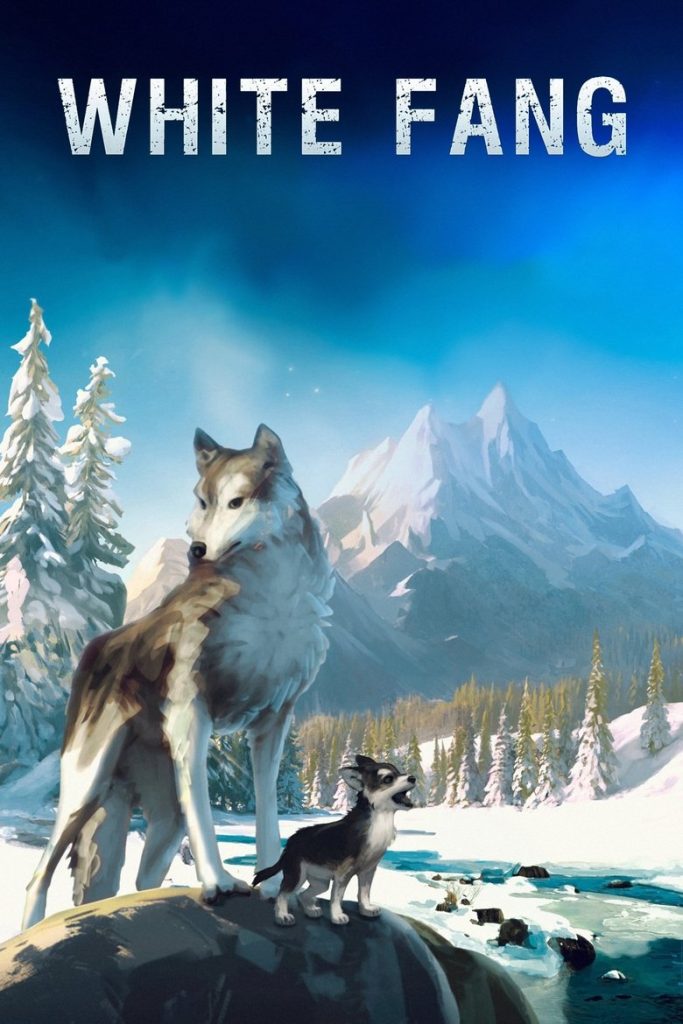
Story overview
White Fang is an animated family film about a wolfdog's journey through different environments and relationships. The story follows the animal as he encounters various human masters who shape his experiences and understanding of the world. Through his adventures, the wolfdog learns about loyalty, survival, and the bonds between humans and animals in changing circumstances.
Parent Guide
Family-friendly animated adventure with mild animal peril and themes of survival and loyalty.
Content breakdown
Animals face natural dangers and challenges in wilderness settings, with no graphic violence.
Some scenes show animals in perilous situations that might be intense for sensitive young viewers.
No concerning language in this family film.
No sexual content or nudity.
No substance use depicted.
Moderate emotional moments related to animal challenges and relationship changes.
Parent tips
This animated adaptation of Jack London's classic story presents themes of animal survival, human-animal relationships, and adaptation to different environments. Parents should be aware that while the film is family-friendly, it includes scenes of animals in peril and natural challenges that might be intense for very young viewers. The story explores concepts of loyalty, freedom, and the impact humans have on wild animals, providing good discussion opportunities about responsible pet ownership and respect for nature.
Parent chat guide
Parent follow-up questions
- What was your favorite animal in the movie?
- How do you think the wolfdog felt when he met new people?
- What sounds do you think animals make to talk to each other?
- How can we be kind to animals we meet?
- What did the wolfdog learn on his adventure?
- Why do you think the wolfdog had different masters?
- How did the wolfdog show loyalty to the people he met?
- What challenges did the wolfdog face in nature?
- How do animals communicate without words?
- What does it mean to be wild versus being a pet?
- How did the wolfdog's relationships with different masters change him?
- What does the story show about human responsibility toward animals?
- How did the wolfdog adapt to different environments?
- What survival skills did the wolfdog demonstrate?
- How does this story compare to real animal behavior?
- What themes about freedom and loyalty does the story explore?
- How does the film portray the relationship between humans and wild animals?
- What commentary might the story make about animal treatment?
- How do the different masters represent various human approaches to nature?
- What does the wolfdog's journey symbolize about adaptation and identity?
🎭 Story Kernel
At its core, 'White Fang' explores the tension between nature's raw survivalism and civilization's imposed morality. The film isn't just about a wolf-dog's domestication—it's about the cost of that transformation. White Fang's journey mirrors humanity's own struggle: when do we tame our wildness, and what do we lose when we do? The characters are driven by competing forces: Jack London's gold-seeking greed versus the indigenous wisdom that understands nature as partnership rather than dominion. The real conflict isn't man versus wolf, but different philosophies of existence colliding in the frozen North.
🎬 Visual Aesthetics
The cinematography creates a stark visual dichotomy between the untamed wilderness and encroaching civilization. Wide shots of the Alaskan wilderness emphasize nature's overwhelming scale, making humans appear insignificant. The color palette shifts from cold blues and whites during survival sequences to warmer tones during domestic scenes, visually tracking White Fang's emotional journey. Action sequences employ shaky, close-quarter camerawork during fights, placing viewers in the animal's perspective. Symbolically, the recurring imagery of chains and ropes versus open landscapes visually represents the central theme of freedom versus domestication.
🔍 Details & Easter Eggs
💡 Behind the Scenes
The production faced significant challenges filming in Alaska's remote Haines area, with temperatures dropping to -40°F. Animal trainers worked for months using positive reinforcement techniques to achieve the wolf behaviors. Interestingly, the 'wolf' actors were actually wolf-dog hybrids, chosen for their trainability and appearance. The film's avalanche sequence required careful coordination with the Alaska Mountain Rescue group. Ethan Hawke, who played Jack Conroy, reportedly spent weeks learning survival skills to make his wilderness scenes more authentic.
Where to watch
Choose region:
- Netflix
- Netflix Standard with Ads
Trailer
Trailer playback is unavailable in your region.